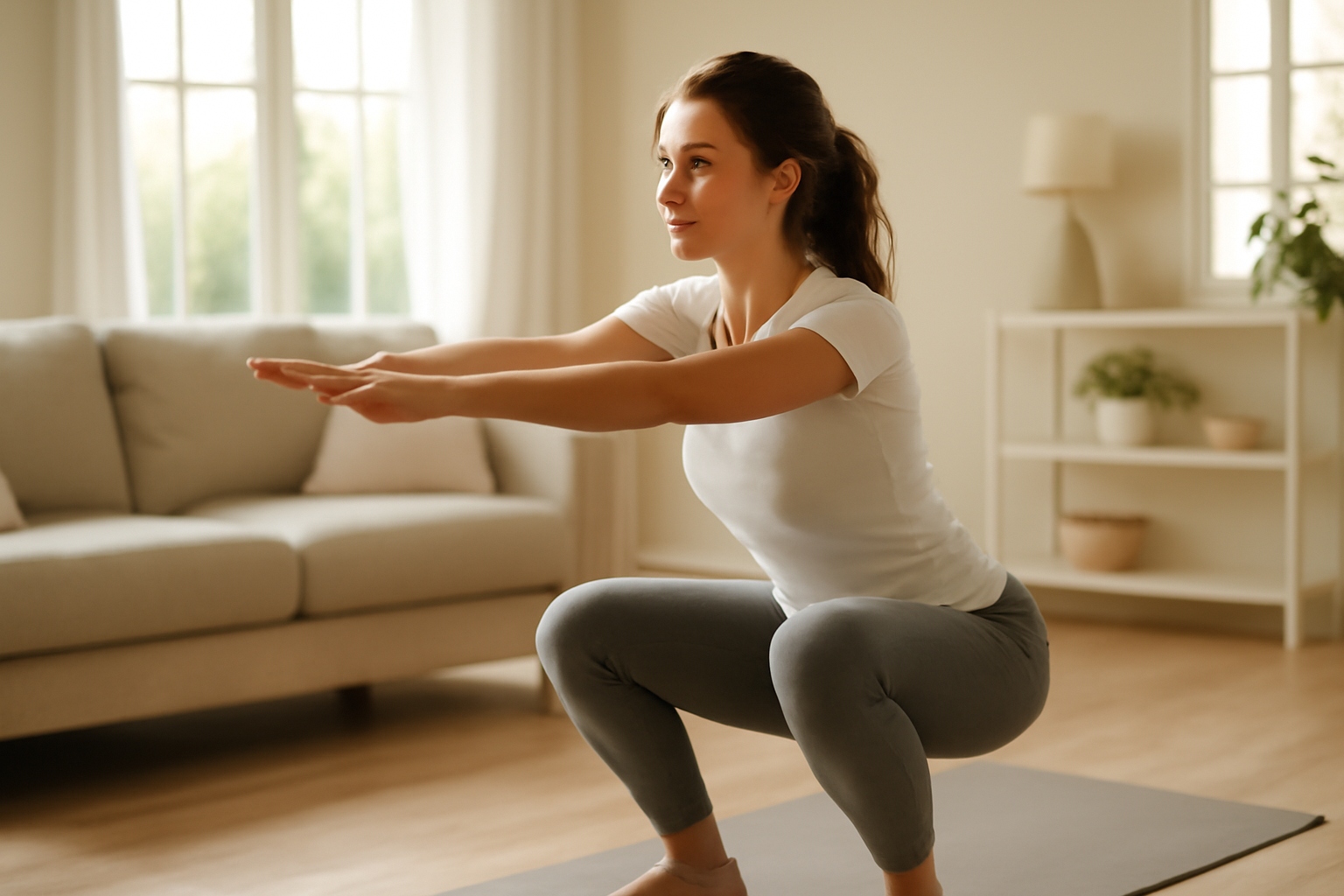
Stair Climbing Workout: Build Strength and Cardio Fast
You walk past stairs every single day — but most people have no idea they’re ignoring one of the most effective workouts available to them, completely free.
There’s a good chance you already have access to the perfect piece of fitness equipment and you’ve been bypassing it to press a button. Stairs — whether in your home, apartment building, office, local park, or stadium — offer a surprisingly powerful workout that combines cardiovascular conditioning, lower-body strength, and calorie burn in a compact, time-efficient package.
A stair climbing workout isn’t just for elite athletes or people training for mountain hikes. It’s one of the most accessible, low-cost fitness options available to adults of all fitness levels. Whether you’re completely new to structured exercise or looking to shake up a plateau in your current routine, stair training deserves a serious spot in your weekly schedule.
In this guide, you’ll learn exactly why stair climbing is so effective for adults aged 25 to 60, how to get started safely, the most common mistakes people make (and how to avoid them), and realistic timelines for what you can expect to feel and see. Let’s climb.
Why Stair Climbing Matters More Than You Think
Most people underestimate stair climbing because it sounds too simple. But simplicity doesn’t mean ineffective — and the research backs that up in a significant way.
According to a study published in the British Journal of Sports Medicine, stair climbing performed in short bouts throughout the day significantly improved cardiorespiratory fitness in previously sedentary adults — comparable to dedicated treadmill intervals. That’s a striking finding for anyone who thinks they don’t have time to exercise.
Stair climbing activates multiple major muscle groups simultaneously: your glutes, quadriceps, hamstrings, calves, and core all engage with every step you take upward. Unlike flat-surface walking, climbing stairs requires your muscles to work against gravity, which increases both muscular demand and energy expenditure significantly.
Harvard Health Publishing estimates that a 155-pound adult burns approximately 223 calories during 30 minutes of stair climbing at a moderate pace — more than jogging at a light pace for the same duration. And because you’re moving in a vertical direction, your cardiovascular system has to work harder to deliver oxygen to those working muscles, making it an excellent heart health habit as well.
For adults in the 40-60 age range especially, maintaining leg strength and cardiovascular capacity is directly tied to longevity and functional independence. The American College of Sports Medicine (ACSM) recommends that adults engage in both moderate-intensity cardio and muscle-strengthening activities weekly — and stair climbing uniquely checks both boxes at the same time.
The Science Behind How Stair Climbing Works
Understanding what’s happening in your body during a stair workout helps you train smarter — and stick with it longer.
When you climb stairs, you’re performing a movement pattern that closely resembles a step-up or a modified squat. Each step engages your posterior chain — the glutes and hamstrings — more deeply than flat walking does, because your hip extensors are required to lift your body against gravity through a greater range of motion. Over time, this translates into real strength gains in your lower body.
One common myth worth addressing: many people believe that stair climbing is bad for your knees. The reality is more nuanced. Research published in the Journal of Orthopaedic and Sports Physical Therapy suggests that stair climbing with proper form — controlled descent, soft knee bend, and not letting your knees cave inward — is generally safe for healthy adults and can even strengthen the muscles that protect the knee joint.
The key distinction is going up versus going down. Ascending stairs loads the muscles concentrically (contracting as they shorten), while descending loads them eccentrically (contracting as they lengthen). Eccentric loading is where most knee discomfort originates, and it’s also the phase that builds the most muscular resilience when done progressively. This is why beginners should take descents slowly and with control.
From a cardiovascular perspective, stair climbing elevates heart rate rapidly — often reaching the moderate-to-vigorous intensity zone within just 60 to 90 seconds of sustained effort. This makes it an excellent tool for improving VO2 max, the gold-standard measure of aerobic fitness, without needing a gym or any equipment at all.
It’s also worth noting that the metabolic demand of stair climbing persists after your workout ends. Your body continues burning slightly elevated calories during recovery — a phenomenon known as excess post-exercise oxygen consumption (EPOC). While the effect varies by individual and workout intensity, it adds a meaningful layer to your overall daily calorie expenditure over time.
How to Get Started: Practical Steps for Every Level
One of the best things about stair climbing is that it scales perfectly to where you are right now. Here’s how to approach it depending on your current fitness baseline.
Before You Begin: Wear supportive athletic shoes with good grip. Avoid sandals, flip-flops, or worn-out sneakers. Warm up with 3-5 minutes of light walking or dynamic leg swings. Use the handrail initially if you need support — there’s no shame in it, and safety comes first.
Beginner Level (Weeks 1-3):
- Start with 2-3 flights of stairs, 2-3 times per week
- Walk at a comfortable, controlled pace — no rushing
- Rest for 60-90 seconds between each climb
- Focus on pushing through your heel and glute rather than your toe and quad
- Descend slowly and with control — don’t rush downstairs
- Aim for 10-15 minutes of total stair activity per session
Intermediate Level (Weeks 4-8):
- Increase to 4-6 flights per set, 3-4 times per week
- Introduce interval-style training: climb fast for 1 minute, rest for 1 minute, repeat 6-8 times
- Try taking two steps at a time occasionally to increase glute activation
- Add a light backpack (5-10 lbs) for added resistance if the workout feels too easy
- Aim for 20-30 minutes of total stair activity per session
Advanced Level (Week 9 and beyond):
- Incorporate lateral step climbing (sideways up the stairs) for hip abductor engagement
- Try stair sprints: maximum effort for 20-30 seconds, full recovery, repeat 6-10 rounds
- Use a weighted vest (10-20 lbs) for progressive overload
- Combine stair climbing with bodyweight exercises — push-ups or lunges at the top — for a full circuit
- Aim for 30-45 minutes total, 4-5 days per week
If you’re working with any joint issues, osteoporosis, or cardiovascular conditions, speak with your healthcare provider before ramping up intensity. Results vary significantly depending on your starting point, consistency, and overall lifestyle.
Common Mistakes That Sabotage Your Stair Workout
Even a simple exercise like stair climbing has its pitfalls. Here are the most common errors adults make — and how to correct them before they derail your progress.
Mistake #1: Rushing the Descent
Going down stairs feels like rest, so most people fly through it without thinking. But uncontrolled descents put excessive stress on your knee joints and reduce the muscular benefit of the eccentric phase. Fix it: Slow your descent deliberately. Take each step with full foot contact and a slight bend in the knee. Think of the way down as its own exercise.
Mistake #2: Gripping the Handrail the Entire Time
Using the handrail for balance when you’re first starting is completely fine. But leaning heavily into it as a crutch offloads the work from your legs and core — defeating the purpose of the workout. Fix it: Use the rail lightly for safety, but aim to gradually reduce dependence on it as your balance and strength improve.
Mistake #3: Letting Your Heels Hang Off the Step
Many people climb on their toes, leaving their heels unsupported. This shifts all the load onto the calves and away from the glutes and hamstrings, which are the bigger, more metabolically active muscles. Fix it: Plant your entire foot on each step, pressing through the heel as you push upward. This engages the glutes and makes the workout significantly more effective.
Mistake #4: Skipping the Warm-Up
Stair climbing spikes heart rate quickly. Jumping straight into a hard climb without warming up increases the risk of muscle strains and cardiovascular strain, especially for adults over 40. Fix it: Always spend 3-5 minutes walking briskly or doing light leg movements before you start your stair session.
Mistake #5: Doing Too Much, Too Soon
Enthusiasm is great — but the most common reason people quit stair workouts is soreness and fatigue from overdoing it in the first week. The ACSM recommends a progressive approach to any new exercise program. Fix it: Start with shorter sessions and fewer flights than you think you need. Increase volume and intensity by no more than 10% per week.
What to Eat to Support Your Stair Climbing Training
Nutrition plays a significant role in how your body performs during and recovers from stair training. The good news is that you don’t need a complicated meal plan — just a few strategic habits.
Fuel Before Your Workout: If you’re training in the morning or after work, a light snack with carbohydrates and a small amount of protein 45-60 minutes before helps sustain energy. Think: a banana with a tablespoon of almond butter, or a small bowl of oatmeal with berries. The Academy of Nutrition and Dietetics recommends 30-60 grams of carbohydrate before moderate exercise sessions.
Prioritize Protein for Recovery: Your muscles are being challenged significantly during stair training — especially your glutes and quads. To support repair and growth, aim for 20-30 grams of high-quality protein within 30-60 minutes after your workout. Good sources include Greek yogurt, eggs, cottage cheese, grilled chicken, or a protein shake if you’re in a rush.
Don’t Skip Hydration: Stair climbing elevates your heart rate quickly, which increases sweat loss even if you don’t feel it as much as outdoor exercise. According to the USDA Dietary Guidelines, adults should aim for at least 8 cups of water daily — more on active days. Have 16 oz of water before your session and sip during if you’re training for longer than 20 minutes.
Anti-Inflammatory Foods Help Long-Term: If you’re training consistently 4-5 days per week, incorporating anti-inflammatory foods can support joint health and recovery. Think: fatty fish like salmon (omega-3s), leafy greens, berries, turmeric, and walnuts. These aren’t miracle foods, but over time they contribute to reduced soreness and better recovery between sessions.
Foods to Moderate: Highly processed foods high in refined sugar and saturated fat can blunt your recovery and energy levels without adding nutritional benefit. You don’t need to eliminate them, but the USDA Dietary Guidelines recommend limiting added sugars to less than 10% of total daily calories.
How Long Until You See Results — and What to Track
One of the most common questions people ask is: how soon will I notice a difference? The honest answer is that it depends on your starting point, frequency, and consistency — but here’s what the research and practical experience suggest.
Week 1-2: Expect soreness in your glutes, quads, and calves, especially if this is a new movement for you. Your heart will also feel the effort more intensely in the beginning. This is normal and a sign of adaptation.
Week 3-4: Most beginners report noticeably less breathlessness at the same flight count. Leg strength improvements begin to show up in how you feel going up stairs in daily life — less fatigue, more control. A study published in Applied Physiology, Nutrition, and Metabolism found measurable cardiovascular improvements in sedentary adults after just four weeks of regular stair climbing.
Week 6-8: With consistent training (3-4 sessions per week), you’ll likely notice improved endurance, tighter leg and glute muscle tone, and better energy levels throughout the day. This is also when most people feel ready to increase intensity or add load.
What to Track:
- Number of flights per session (aim to increase gradually)
- Resting heart rate (should trend downward over 4-6 weeks of consistent cardio)
- Recovery time between sets (should decrease as fitness improves)
- How winded you feel at specific flight counts (a great subjective marker)
- Lower body strength — can you do a single-leg squat with better control than before?
If you’ve been training consistently for 8-12 weeks and feel like you’re stuck, consider reassessing your nutrition, sleep quality, and overall stress levels — all of which directly affect fitness adaptation. Working with a certified personal trainer for a session or two can also help identify plateaus and build a more structured plan.
For related training strategies that complement stair climbing well, check out our guides on Interval Training for Adults and Balance Training for Adults — both pair naturally with stair work to build a complete, functional fitness routine.
Frequently Asked Questions
Is stair climbing enough exercise on its own, or do I need to add other workouts?
Stair climbing covers cardiovascular fitness and lower-body strength well — but it doesn’t significantly train your upper body or horizontal plane movements. For a well-rounded routine, consider pairing it with upper-body resistance training 1-2 times per week. On its own, it can absolutely be a primary cardio and lower-body workout, especially for beginners.
Can I do stair climbing every day?
For casual stair use (like taking stairs instead of an elevator), every day is perfectly fine. For structured stair training sessions, most adults benefit from 1-2 rest days per week to allow muscle recovery — especially when training at moderate-to-high intensity. Listen to your body: persistent soreness or fatigue is a signal to rest.
Is stair climbing safe for people with knee pain?
This depends significantly on the cause and severity of the knee issue. Many people with mild knee discomfort can climb stairs safely with good form and controlled descent. However, those with arthritis, ligament injuries, or post-surgical conditions should consult an orthopedic specialist or physical therapist before beginning a stair training program. Results vary considerably based on individual diagnosis.
What’s the difference between stair climbing and using a StairMaster machine?
Both are effective, but they differ in mechanics. Real stairs require your full leg to lift your body weight step by step — including the descent phase. A StairMaster is a continuous loop and eliminates the downward eccentric component. Real stair climbing also engages stabilizer muscles more due to balance demands. Both have value — real stairs simply require no equipment or membership.
How many stairs do I need to climb to get a good workout?
There’s no universal number because intensity and pace matter more than raw stair count. A general guideline: 10-15 minutes of continuous moderate-effort stair climbing is comparable to a solid cardio session. You can also combine it with power walking on flat surfaces for a longer, varied session.
The Bottom Line
Stair climbing is one of those workouts that consistently earns its reputation quietly. It doesn’t require a gym, expensive equipment, or a lot of time. What it does require is consistency, proper form, and a willingness to take things progressively — especially in the beginning.
Whether your goal is to improve your cardiovascular health, build stronger legs, manage your weight more effectively, or simply feel more energetic in your daily life, stair climbing offers a path that’s both proven and practical.
Start where you are. Climb at your own pace. Add a flight or two each week. And before long, those stairs you used to avoid will be the part of your day you actually look forward to.
Your next workout is probably just down the hall.
Wellness Disclaimer: This article is for informational and educational purposes only. The content is not intended to replace professional medical, nutritional, or fitness advice. Always consult a qualified healthcare provider, registered dietitian, or certified fitness professional before starting a new health program or making significant changes to your lifestyle.
Content reviewed by our wellness editorial team, with references to peer-reviewed research and guidelines from leading health organizations.