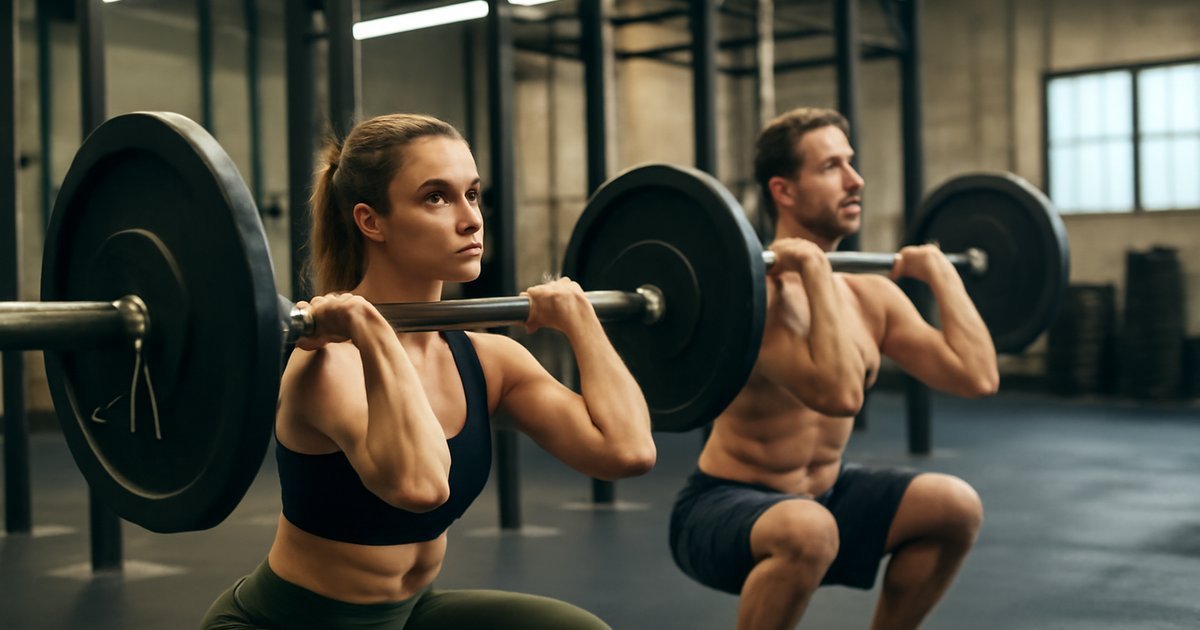
CrossFit Training for Adults: Is It Right for You?
You’ve seen the box gyms, heard the buzz, and maybe even watched someone flip a tire on Instagram — but is CrossFit actually a smart choice for everyday adults who just want to get fit and feel better?
Here’s a number worth pausing on: CrossFit has grown from a single gym in Santa Cruz, California, to over 15,000 affiliated locations worldwide. But for every devoted athlete who swears by it, there’s someone who tried it once and walked away confused, sore, or intimidated. The truth is somewhere in the middle — and understanding that truth could change how you train for the rest of your life.
CrossFit isn’t just a workout. It’s a methodology built around constantly varied, high-intensity functional movements. That sounds like jargon, but it translates to something simple: you’re training your body to handle real-world physical demands while also building cardiovascular fitness, strength, and coordination simultaneously.
This guide breaks down what CrossFit actually involves, what the research says about its benefits and risks, how to get started safely, and who it’s genuinely right for — because it’s not a one-size-fits-all solution. Whether you’re 28 or 58, curious or skeptical, you’ll finish this article knowing exactly where CrossFit fits (or doesn’t fit) into your wellness journey.
Why CrossFit Matters More Than You Think
Most adults in their 30s, 40s, and 50s are dealing with a quiet but serious problem: they’re losing muscle and cardiovascular capacity at the same time. After age 30, adults lose approximately 3–5% of muscle mass per decade — a process called sarcopenia — according to research highlighted by the National Institutes of Health. Without intervention, this contributes to fatigue, weight gain, reduced mobility, and increased injury risk later in life.
What makes CrossFit particularly relevant here is that it’s specifically designed to address multiple fitness components simultaneously. The American College of Sports Medicine (ACSM) recommends that adults engage in both aerobic exercise and muscle-strengthening activities each week. CrossFit, by design, combines both in a single session.
A study published in the Journal of Strength and Conditioning Research found that participants who completed 10 weeks of CrossFit training showed significant improvements in VO2 max (a key marker of cardiovascular fitness) and body composition. These weren’t elite athletes — they were average adults.
The real-world relevance matters too. CrossFit’s emphasis on functional movements — squatting, pulling, pushing, carrying — mirrors what your body actually needs to do in daily life. That connection between gym performance and everyday function is something traditional isolated machine training often misses entirely.
If you’re also exploring other high-efficiency training formats, check out our guide on Interval Training for Adults: Burn Fat and Build Fitness for a complementary approach to metabolic conditioning.
The Science Behind CrossFit: How It Actually Works
CrossFit’s structure is built around what’s called the WOD — Workout of the Day. Each session is programmed to challenge different energy systems, muscle groups, and movement patterns, usually lasting 20–60 minutes total. The high-intensity intervals push your body into an elevated metabolic state that continues burning energy even after the workout ends — a phenomenon research refers to as excess post-exercise oxygen consumption (EPOC).
The methodology draws from multiple disciplines: Olympic weightlifting, gymnastics, powerlifting, rowing, running, and more. This cross-training approach is designed to prevent the adaptation plateau that happens when you do the same routine repeatedly. Your body is constantly challenged, which keeps adaptation — and results — happening.
Here’s a common myth worth addressing directly: “CrossFit is dangerous and causes injuries.” The research paints a more nuanced picture. A study published in Orthopaedic Journal of Sports Medicine found that CrossFit’s injury rate (approximately 2.1 per 1,000 training hours) is comparable to, and in some cases lower than, traditional weightlifting, gymnastics, and distance running. The risk goes up when athletes skip foundational movement training or push beyond their technical skill level too quickly.
In other words, CrossFit done with proper coaching and appropriate progression is not inherently riskier than other forms of structured exercise. The key phrase there is “proper coaching” — which is why choosing a reputable, certified box with attentive coaches matters more than people realize.
It’s also worth noting that CrossFit is highly scalable. Every movement can be modified based on your current fitness level. A push-up can be done from the knees. A barbell squat can start with just a PVC pipe. That scalability is what makes it accessible — though you have to actually use those modifications rather than letting ego push you past your current ability.
How to Get Started With CrossFit Training
Starting CrossFit the right way significantly changes your experience and your results. Here’s a practical, stage-by-stage approach:
Step 1: Find a Certified CrossFit Affiliate
Look for a gym (called a “box”) with CrossFit Level 2 or Level 3 certified coaches. Avoid large commercial gyms that offer “CrossFit-style” classes without proper credentialing. The difference in instruction quality is significant.
Step 2: Complete a Foundations or OnRamp Program
Most reputable CrossFit boxes offer an introductory program (typically 4–12 sessions) that teaches fundamental movements before you join group classes. This is not optional — it’s where you learn to squat, deadlift, press, and row safely. Don’t skip this step, no matter how fit you already are.
Step 3: Start with 2–3 Sessions Per Week (Beginner)
For your first 4–6 weeks, 2–3 days per week allows your connective tissue, joints, and nervous system to adapt. Muscle soreness will be significant at first — that’s normal. Overtraining early is one of the most common beginner mistakes.
Step 4: Prioritize Form Over Load (Always)
Measure your progress by movement quality first, then add weight. If your squat breaks down under load, the load is too heavy. This rule applies at every level.
Intermediate Option: Once you’re consistently training 3 days per week with solid mechanics, you can progress to 4 days, begin tracking benchmark WOD times, and start working on skill development (kipping pull-ups, double-unders, Olympic lifting technique).
Advanced Option: Athletes training 5–6 days per week should incorporate planned deload weeks every 4–6 weeks and consider working with a coach one-on-one to identify movement weaknesses and prevent overuse injuries.
Common Mistakes That Sabotage CrossFit Results
CrossFit is incredibly effective — when done right. But there are a handful of predictable mistakes that hold people back or lead to burnout and injury. Here’s what to watch for:
Mistake 1: Competing Instead of Training
Group classes create a natural competitive energy, and that’s part of what makes CrossFit motivating. But when you start chasing someone else’s score at the expense of your own form, you’re no longer training — you’re gambling with your body. Your only competition should be your previous self. Scale the weight, rest longer between sets if needed, and stay focused on your own development.
Mistake 2: Skipping Rest and Recovery
CrossFit is high-intensity by design. Going all-out six or seven days a week without rest is a recipe for overtraining syndrome, which can actually decrease performance and increase injury risk. Harvard Health Publishing recommends that high-intensity training sessions be balanced with adequate rest — typically 48 hours of recovery before training the same muscle groups again. Two to three rest or active recovery days per week is not laziness; it’s part of the program.
Mistake 3: Ignoring Pain Signals
There’s a difference between muscle fatigue (normal) and joint or tendon pain (a warning sign). Many CrossFit injuries occur because athletes push through sharp, localized pain rather than stopping to assess it. If something doesn’t feel right — especially in your shoulders, knees, or lower back — stop, tell your coach, and get it evaluated. Training through pain rarely resolves it and often makes it significantly worse.
Mistake 4: Underfueling for the Demand
CrossFit workouts have high caloric and protein demands. Trying to combine aggressive caloric restriction with five CrossFit sessions per week undermines both goals. The Academy of Nutrition and Dietetics recommends that adults engaged in high-intensity training consume 1.2–2.0 grams of protein per kilogram of body weight daily to support muscle repair and performance. If you’re constantly fatigued or not recovering, nutrition is often the first place to investigate.
What to Eat to Support Your CrossFit Training
CrossFit doesn’t require a specific diet, but the food choices you make will directly influence your performance, recovery, and body composition. Here’s a practical framework grounded in evidence:
Protein — the non-negotiable: Prioritize lean protein at every meal. Chicken breast, eggs, Greek yogurt, canned salmon, and legumes are practical, affordable options. Aim for 25–40 grams per meal to support muscle protein synthesis, particularly within two hours after training.
Carbohydrates — your primary fuel source: High-intensity training is predominantly fueled by glycogen (stored carbohydrates). Skimping on carbs before a WOD is one of the fastest ways to underperform. Opt for whole grains, sweet potatoes, oats, and fruit. The USDA Dietary Guidelines support carbohydrate intake making up 45–65% of total daily calories for active adults.
Healthy fats — for recovery and inflammation: Omega-3-rich foods like salmon, walnuts, and flaxseeds support the anti-inflammatory response that helps your body recover between sessions. Avocado and olive oil are practical additions to most meals.
Hydration: CrossFit sessions can produce significant sweat loss. The ACSM recommends drinking at least 17–20 ounces of water two hours before exercise and continuing to hydrate throughout and after. For sessions longer than 60 minutes, electrolyte replacement may be helpful.
Avoid: Ultra-processed pre-workout snacks loaded with sugar, excessive alcohol (which impairs muscle protein synthesis), and skipping post-workout meals — all of which slow recovery and limit your adaptation to training.
For a complementary training approach that pairs well with CrossFit’s strength components, explore our guide on Dumbbell Training for Adults: Build Strength and Burn Fat.
How Long Until You See Results — and What to Track
One of the most searched questions about CrossFit is also one of the most honest ones: how long does it actually take to see a difference? The answer depends on your baseline, your consistency, and how well you’re recovering — but here’s what research and real-world experience suggest:
Weeks 1–4: You’ll likely notice improved cardiovascular endurance and movement awareness before you see physical changes. Your body is learning new motor patterns, which is neurological adaptation — it’s happening even if the mirror doesn’t reflect it yet. Expect significant muscle soreness in this phase.
Weeks 5–12: Most consistent participants begin noticing measurable improvements in strength, work capacity, and body composition within 8–12 weeks, aligning with findings from the Journal of Strength and Conditioning Research. Clothes may fit differently before the scale reflects changes.
Months 3–6: Skill development accelerates. Movements that felt impossible (like a pull-up or double-under) become achievable with consistent practice. Body recomposition — gaining muscle while losing fat — becomes more apparent.
What to track:
- WOD completion times for benchmark workouts (re-test every 6–8 weeks)
- Weight lifted in foundational movements (back squat, deadlift, press)
- Resting heart rate (a downward trend signals improving cardiovascular fitness)
- Energy levels and sleep quality (important early indicators of proper recovery)
- Movement quality — are you moving through greater range of motion with less discomfort?
When to reassess: If after 8 weeks of consistent training you’re experiencing persistent fatigue, no performance improvement, or recurring pain, it’s worth consulting with a certified coach and possibly a sports medicine physician to evaluate your program and recovery strategy.
Frequently Asked Questions About CrossFit Training
Is CrossFit safe for adults over 40 or 50?
Yes — with appropriate modifications and good coaching. Adults over 40 often thrive in CrossFit because the functional movements directly address age-related declines in strength, balance, and cardiovascular capacity. The key is scaling appropriately, prioritizing recovery, and being transparent with your coach about any physical limitations or previous injuries.
Do I need to be fit before starting CrossFit?
No, and this is one of the most persistent myths. CrossFit’s scalability means every movement can be adjusted to your current fitness level. A good foundations program will meet you exactly where you are. That said, if you have significant cardiovascular or orthopedic concerns, getting clearance from your physician before starting is recommended.
How is CrossFit different from a regular gym workout?
Traditional gym workouts often focus on isolated muscle groups with consistent, repeatable programming. CrossFit uses constantly varied movements performed at relatively high intensity, combining strength and conditioning in one session. The community aspect and coached environment also tend to produce higher consistency rates than solo gym training.
What is rhabdomyolysis, and should I be worried?
Rhabdomyolysis (“rhabdo”) is a rare but serious condition where extreme muscle breakdown releases proteins into the bloodstream, potentially stressing the kidneys. It’s been associated with CrossFit when beginners are pushed far beyond their capacity too quickly. Symptoms include extreme muscle swelling, dark urine, and severe weakness. This is exactly why proper scaling and gradual progression are essential — not optional.
Can I do CrossFit at home without a gym?
You can do CrossFit-style workouts at home — many WODs use minimal or no equipment — but the coached environment of a certified box is where the methodology truly delivers. Form correction, programming, and community accountability are difficult to replicate independently, especially as a beginner. If you’re exploring home training options, our guide on TRX Suspension Training: Build Strength Anywhere offers a practical starting point.
Your Next Step Starts Right Now
CrossFit is not for everyone — and that’s perfectly fine. But for adults who want a training method that builds strength, cardiovascular fitness, and functional capacity simultaneously, it’s one of the most well-rounded approaches available. The community, the coaching, the constantly varied programming — these aren’t marketing gimmicks; they’re structural advantages that help people stay consistent when motivation alone runs dry.
Start small. Find a reputable box. Take the foundations course. Ask questions. Scale every movement until your form is solid. And above all, be patient — real, lasting fitness is built over months and years, not weeks.
The best workout is always the one you actually show up for, consistently, over time. CrossFit can absolutely be that workout — when you approach it with the right mindset and the right guidance.
This article is for informational and educational purposes only. The content is not intended to replace professional medical, nutritional, or fitness advice. Always consult a qualified healthcare provider, registered dietitian, or certified fitness professional before starting a new health program or making significant changes to your lifestyle.
Content reviewed by our wellness editorial team, with references to peer-reviewed research and guidelines from leading health organizations.