
Tag: fitness tips

  • Compound Exercises: Your Full-Body Strength Shortcut

    Compound Exercises: Your Full-Body Strength Shortcut

    Many people walk into the gym with a desire to get stronger, feel fitter, and look better. Often, they gravitate towards machines or exercises that target one muscle at a time – bicep curls today, triceps extensions tomorrow, followed by leg extensions. It’s a common approach, but it can leave you feeling like you’re spending endless hours working out with minimal returns on your overall strength and functional ability. You might be building individual muscles, but are you building a truly strong, coordinated body?

    The truth is, while isolation exercises have their place, they often miss the bigger picture of how your body moves in the real world. Think about it: when do you ever use just one muscle group in isolation outside of a gym? Lifting groceries, playing with kids, climbing stairs, or simply moving through your day – these all demand multiple muscles working together. This is where the profound power of compound exercises comes into play.

    This comprehensive guide will revolutionize your approach to fitness. We’ll dive deep into what compound exercises are, why they are a cornerstone of any effective training program, and how you can seamlessly integrate them into your routine. Prepare to discover how to build maximal strength, boost calorie burn, and cultivate real-world functional fitness, all while making your workouts more efficient and rewarding. Forget endless isolated movements; it’s time to train smarter, not just harder.

    Why Compound Exercises Matter More Than You Think

    When you boil down human movement, it’s almost always a symphony of muscles and joints working in concert. Compound exercises are the conductors of this symphony. They are movements that involve the coordinated action of multiple joints and engage several major muscle groups simultaneously. Think about iconic movements like squats, deadlifts, overhead presses, or pull-ups.

    These aren’t just exercises; they’re fundamental human movement patterns. By training them, you’re not just strengthening individual muscles; you’re teaching your body to move as an integrated, powerful unit. This functional strength is what truly translates to improved performance in daily life, whether you’re carrying heavy bags, moving furniture, or engaging in sports.

    The American College of Sports Medicine (ACSM) consistently emphasizes the importance of multi-joint exercises for comprehensive strength development. They highlight that these movements are superior for improving athletic performance, enhancing daily functional capacity, and promoting overall fitness compared to single-joint movements. This isn’t just theory; it’s a principle backed by decades of exercise science.

    Beyond the gym, this integrated strength impacts your longevity and independence. As we age, maintaining the ability to stand from a chair (a squat pattern), lift objects off the floor (a deadlift pattern), or reach overhead (an overhead press pattern) becomes crucial for quality of life. Compound exercises are your proactive investment in a strong, capable future, helping to train your body for real life.

    The Science Behind How Compound Exercises Actually Work

    The magic of compound exercises lies in their efficiency and the unique physiological response they elicit. When you perform a movement like a barbell squat, your hip, knee, and ankle joints all articulate. This simultaneous movement engages your quadriceps, hamstrings, glutes, core, and even your back muscles as stabilizers. Compare this to a leg extension, which only moves the knee joint and isolates the quads.

    This extensive muscle activation during compound movements demands significantly more energy from your body. More muscles working means a higher caloric expenditure during the workout itself. But the benefits extend far beyond the session. The metabolic stress and muscle damage (the good kind, that leads to growth) from compound lifts are greater, leading to an elevated post-exercise oxygen consumption (EPOC), often called the “afterburn effect.” This means you continue to burn more calories even after your workout is over.

    A common misconception is that you need separate workout days for every single muscle group to achieve a balanced physique. While body part splits can be effective for advanced bodybuilders, for most people, this approach is often inefficient and unnecessary. Compound exercises bust this myth by hitting multiple muscles effectively and synergistically, allowing for highly efficient full-body workouts that can deliver superior results in less time.

    Furthermore, research published in the Journal of Strength and Conditioning Research has demonstrated that multi-joint exercises, like the squat and deadlift, can elicit a greater acute hormonal response compared to single-joint exercises. This includes higher levels of anabolic hormones such as testosterone and growth hormone. While the direct impact of these acute spikes on long-term muscle growth is still debated, it underscores the intense systemic demand and adaptational potential that compound movements place on the body, contributing to greater overall muscle growth and strength adaptations over time.

    How to Get Started: Practical Steps for Incorporating Compound Exercises

    Ready to unlock the power of compound movements? Here’s a progressive guide to integrating them into your routine:

    Beginner-Friendly Entry Points:

    1. Master Bodyweight Basics: Before adding external load, become proficient with your own body weight. Start with exercises like bodyweight squats, lunges (forward and reverse), push-ups (on your knees or incline if needed), and planks. Focus intently on proper form and control. This builds a crucial foundation of stability and movement patterns.
    2. Learn Proper Form: This is non-negotiable. Watch high-quality instructional videos from certified personal trainers. Consider investing in a few sessions with a qualified coach to learn the fundamental movement patterns safely and effectively. Good form is your best insurance against injury and your most direct path to maximizing results.
    3. Start Light, Stay Safe: When you’re ready to introduce weights, always begin with very light dumbbells, kettlebells, or even just an empty barbell. The goal initially is to groove the movement pattern under light resistance, not to lift heavy. Focus on feeling the right muscles work and maintaining impeccable form throughout the entire range of motion.

    Intermediate Options:

    1. Embrace Progressive Overload: Once you’ve mastered the basic forms with light weights, it’s time to systematically challenge your body. This is the principle of progressive overload – gradually increasing the weight, reps, or sets over time. Without it, your body has no reason to adapt and get stronger. Track your progress to ensure you’re consistently challenging yourself. This is a critical component of any sustainable workout routine.
    2. Incorporate Key Lifts: Build your workouts around the classic compound lifts: barbell squats (back or front), deadlifts (conventional or Romanian), overhead presses, bench presses, and bent-over rows. These movements form the backbone of a comprehensive strength program.
    3. Full-Body Split: A highly effective way to structure your training is through a 2-3 day per week full-body split. This allows you to hit all major muscle groups with compound exercises, followed by adequate recovery days. For example, Monday, Wednesday, Friday workouts with Tuesday, Thursday, Saturday, Sunday for rest or active recovery.

    Advanced Options:

    1. Vary Intensity and Rep Ranges: To continue making progress, manipulate your training variables. Utilize lower rep ranges (e.g., 3-5 reps) for pure strength development, and higher rep ranges (e.g., 8-12 reps) for muscle hypertrophy (growth). Periodically change your rep schemes to keep your body adapting.
    2. Explore Advanced Variations: With a solid foundation, you can explore more complex compound movements like power cleans, snatches, or plyometric variations. However, these require significant technical proficiency and are best learned under the direct supervision of an experienced coach.
    3. Implement Periodization: Advanced lifters often benefit from periodization, which involves structuring training into specific blocks with varying intensity and volume goals. This helps prevent plateaus, optimizes recovery, and prepares the body for peak performance.

    Common Mistakes That Sabotage Results

    While compound exercises are incredibly effective, they also require attention to detail. Many enthusiastic lifters make common errors that can derail progress or even lead to injury. Acknowledging these pitfalls is the first step toward correcting them.

    1. Sacrificing Form for Weight: This is arguably the most prevalent and damaging mistake. The allure of lifting heavier can be strong, but attempting weights you can’t control with proper technique is counterproductive. Poor form reduces the effectiveness of the exercise by shifting tension away from the target muscles and dramatically increases your risk of injury.
    2. Fix: Leave your ego at the door. Drop the weight to a level where you can perform every repetition with perfect form, maintaining control throughout the entire movement. Focus on the muscle connection and the quality of each rep, not just the number on the barbell.

    3. Skipping Warm-ups and Cool-downs: Many individuals jump straight into heavy lifting or abruptly finish their workout, neglecting the crucial bookends of a training session. A proper warm-up prepares your body for the demands of the workout, increasing blood flow, raising core temperature, and improving joint mobility. A cool-down aids in recovery and flexibility.
    4. Fix: Dedicate 5-10 minutes to dynamic stretches (e.g., leg swings, arm circles, torso twists) before your workout. After your session, spend another 5-10 minutes on static stretches, holding each stretch for 20-30 seconds, focusing on the muscles you’ve worked.

    5. Lack of Progressive Overload: Your body is an incredible adapter. If you consistently perform the same exercises with the same weight and the same number of reps, your body will eventually stop seeing a reason to get stronger or grow. This leads to frustrating plateaus.
    6. Fix: Implement systematic progressive overload. This means periodically increasing the weight, performing more repetitions with the same weight, adding an extra set, or even reducing rest times. Small, consistent increases over time are more effective and sustainable than trying to make huge leaps.

    7. Neglecting Core Engagement: For virtually all compound movements, a strong and stable core is paramount. It acts as the bridge between your upper and lower body, transferring force and protecting your spine. A weak or disengaged core can compromise your form, reduce your power output, and significantly increase your risk of back injury, particularly in lifts like squats and deadlifts.

      Fix: Consciously brace your core before and throughout each repetition. Imagine preparing for a punch to your stomach – this creates intra-abdominal pressure that stabilizes your torso. Supplement your compound lifts with specific core work like planks, dead bugs, and bird-dogs to build foundational core strength.

    Fueling Your Compound Exercise Progress

    Training effectively with compound exercises is only half the battle; your nutrition plays an equally critical role in supporting muscle growth, recovery, and energy levels. You can’t out-train a poor diet, especially when demanding multi-joint movements. Here’s what to focus on:

    • Adequate Protein Intake: Protein is the building block of muscle. To repair muscle fibers broken down during intense training and to synthesize new ones, you need sufficient protein. Aim for approximately 0.7 to 1 gram of protein per pound of body weight per day, distributing your intake across all your meals. Excellent sources include lean meats (chicken, turkey, beef), fish, eggs, dairy products (Greek yogurt, cottage cheese), legumes, and tofu.
    • Complex Carbohydrates: These are your primary energy source. Complex carbohydrates provide sustained energy for your demanding workouts and are crucial for replenishing muscle glycogen stores afterward, aiding in recovery. Prioritize whole grains (oats, brown rice, quinoa), sweet potatoes, fruits, and vegetables. The USDA Dietary Guidelines for Americans typically recommend that carbohydrates make up 45-65% of your daily caloric intake, a range that active individuals often find beneficial for performance.
    • Healthy Fats: Don’t shy away from fats; they are essential for hormone production, nutrient absorption, and overall health. Focus on unsaturated fats found in avocados, nuts, seeds, olive oil, and fatty fish (like salmon, rich in Omega-3s). These healthy fats contribute to satiety and provide a concentrated energy source.
    • Hydration is Key: Often overlooked, water is absolutely critical for performance, recovery, and preventing fatigue and cramps. Even mild dehydration can significantly impair your strength and endurance. The National Academies of Sciences, Engineering, and Medicine suggest about 15.5 cups (3.7 liters) of fluids a day for men and about 11.5 cups (2.7 liters) of fluids a day for women. However, your individual needs will vary based on activity level, climate, and overall health. Keep a water bottle handy and sip throughout the day, not just during workouts.

    Conversely, minimize your intake of processed foods, excessive added sugars, and unhealthy trans fats. These offer little nutritional value, can contribute to inflammation, and ultimately hinder your progress and recovery from the rigorous demands of compound training.

    How Long Until You See Results & What to Track

    One of the most common questions in fitness is, “How long until I see results?” The answer, while not always straightforward, can be broken down into realistic timelines based on scientific understanding.

    Realistic Timelines:

    • Initial Strength Gains (Neurological Adaptations): Within the first 2-4 weeks of consistent compound training, you’ll likely notice a significant increase in your ability to lift more weight or perform more repetitions. This initial surge in strength is largely due to your nervous system becoming more efficient at recruiting and coordinating muscle fibers. You’re essentially getting better at using the strength you already have.
    • Muscle Hypertrophy (Visible Growth): While strength gains can appear quickly, visible changes in muscle size (hypertrophy) typically take a bit longer. Expect to see noticeable changes after 6-12 weeks of consistent, challenging training, coupled with proper nutrition and adequate recovery. It’s important to remember that results vary significantly among individuals due to genetics, training history, age, and adherence to the program.

    Specific Metrics to Monitor:

    • Workout Log: This is your most powerful tool. Keep a detailed log of every workout, recording the exercises performed, the weight lifted, the number of sets, and repetitions for each set. This allows you to track your progress, ensure you’re applying progressive overload, and identify areas for improvement.
    • Perceived Exertion (RPE): Use a simple scale of 1-10 (1 being no effort, 10 being maximal effort) to rate how challenging each set feels. This helps you gauge your effort level and fatigue, ensuring you’re working hard enough but not overdoing it.
    • Form Check-ins: Regularly film yourself performing key lifts or ask a knowledgeable spotter/trainer to observe your form. Small deviations can creep in over time, and regular checks help maintain proper technique.
    • Body Composition (Optional but Informative): If specific goals like weight loss or muscle gain are central to your journey, tracking body measurements (e.g., waist, hips, arms) or periodically assessing body fat percentage (via methods like DEXA scans, bioelectrical impedance analysis, or calipers) every 4-8 weeks can provide objective feedback on your physical changes.
    • How You Feel: Don’t underestimate subjective markers. Pay attention to your energy levels, sleep quality, mood, and recovery between sessions. These are excellent indicators of whether your training and recovery are balanced. Persistent fatigue, poor sleep, or chronic soreness might signal overtraining or inadequate recovery.

    When to Seek Professional Guidance: If you encounter persistent pain that isn’t typical muscle soreness, hit a prolonged plateau despite consistent effort and adjustments, or simply feel uncertain about your form or programming, do not hesitate to consult a certified personal trainer, physical therapist, or other qualified healthcare provider. Their expertise can provide invaluable insights and corrective strategies.

    Frequently Asked Questions

    1. Are compound exercises enough for a complete workout?
      Yes, for most individuals aiming for general strength, fitness, and muscle development, a well-rounded program built primarily on compound exercises is highly effective. They challenge your body holistically. While isolation exercises can be added to address specific muscle weaknesses or aesthetic preferences, they are not strictly necessary for overall fitness.
    2. Can beginners do compound exercises?
      Absolutely! In fact, beginners should prioritize learning compound movements. Starting with bodyweight variations (like squats and push-ups) or very light resistance, focusing intently on proper form, builds a strong foundational movement pattern. This approach teaches your body efficient movement from the outset, serving you well as you progress to heavier loads.
    3. How often should I do compound exercises?
      For optimal results and adequate recovery, aim for 2-4 full-body compound exercise sessions per week. It’s crucial to allow at least one rest day between demanding full-body workouts to enable muscle repair and growth. Listen to your body and adjust frequency based on your recovery capacity and energy levels.
    4. Do compound exercises help with weight loss?
      Yes, significantly. Because they engage multiple large muscle groups and demand more energy, compound exercises lead to a higher calorie expenditure during your workout compared to isolation movements. Furthermore, building muscle through compound training increases your resting metabolic rate, meaning your body burns more calories even when at rest, which is a powerful advantage for sustainable weight management.
    5. What’s the difference between compound and isolation exercises?
      Compound exercises involve movement at multiple joints and engage several major muscle groups simultaneously (e.g., squat, deadlift). Isolation exercises, in contrast, target a single joint and primarily work one muscle group (e.g., bicep curl, leg extension). Both types have their place in a comprehensive fitness plan, but compound exercises offer greater efficiency and functional carryover.

    Conclusion

    Integrating compound exercises into your fitness routine is one of the most powerful and efficient shifts you can make for comprehensive strength, efficiency, and overall well-being. They challenge your body in a way that directly translates to real-world demands, building not just muscle and physical strength, but also coordination, resilience, and confidence in your body’s capabilities.

    Remember, the journey to greater strength and fitness isn’t about perfection; it’s about consistency, commitment to proper form, and the willingness to progressively challenge yourself. Start with the foundational movements, focus on mastering their technique, and trust the process.

    Choose one compound exercise from this guide – perhaps a bodyweight squat or a push-up – and incorporate it thoughtfully into your next workout. Feel the power of your body working as one, and take the first step towards a stronger, more functional you today.

    WELLNESS DISCLAIMER:

    This article is for informational and educational purposes only. The content is not intended to replace professional medical, nutritional, or fitness advice. Always consult a qualified healthcare provider, registered dietitian, or certified fitness professional before starting a new health program or making significant changes to your lifestyle.

    AUTHOR LINE:

    Content reviewed by our wellness editorial team, with references to peer-reviewed research and guidelines from leading health organizations.
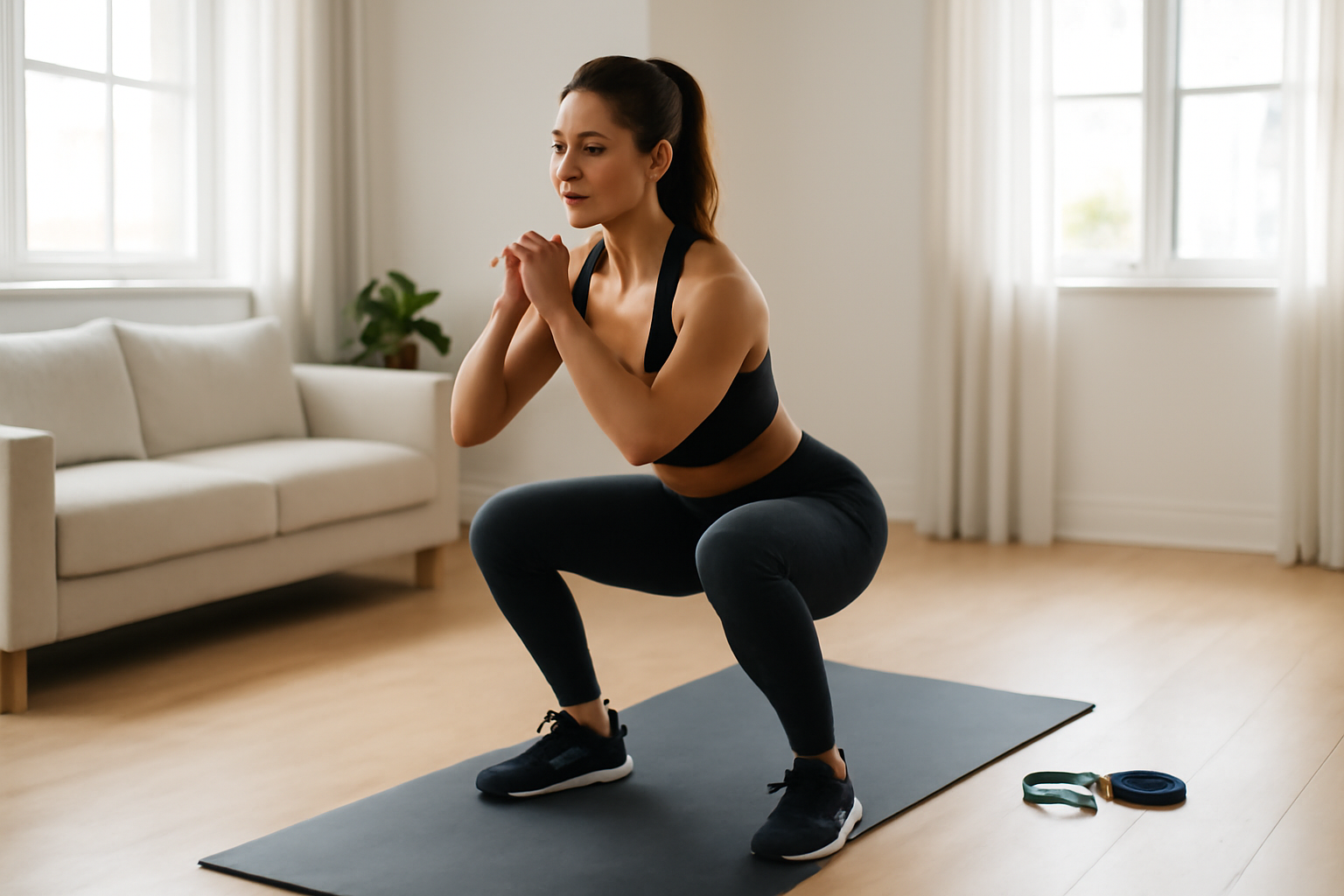

  • Home Workout Plans: Get Fit Without the Gym

    Home Workout Plans: Get Fit Without the Gym

    Home Workout Plans: Get Fit Without the Gym

    You don’t need a gym membership, fancy equipment, or two free hours to build real fitness — you just need a plan that actually works with your life.

    It’s 6:45 AM. You have 30 minutes before the kids wake up or the work calls start rolling in. The gym is 20 minutes away, and the idea of commuting just to exercise feels impossible. Sound familiar? You’re not alone — and here’s the truth: that 30-minute window at home can be more effective than you think.

    According to the American College of Sports Medicine (ACSM), adults need at least 150 minutes of moderate-intensity exercise per week for meaningful cardiovascular and muscular health benefits. The barrier isn’t always effort — it’s logistics. And home workout plans solve exactly that problem.

    In this guide, you’ll learn how to build an effective home workout routine from scratch, understand the science behind why home training works, avoid the most common mistakes that keep people spinning their wheels, and get a clear, realistic picture of when you’ll start seeing results. Whether you’re a complete beginner or someone returning after a long break, this is your practical starting point.

    Why Home Workouts Matter More Than You Think

    There’s a stubborn belief that "real" fitness only happens in commercial gyms — surrounded by machines, mirrors, and monthly fees. But the research tells a different story.

    A landmark study published in PLOS ONE found that home-based exercise programs produced comparable improvements in cardiovascular fitness, muscular endurance, and body composition to gym-based training when exercise frequency, duration, and intensity were matched. The gym isn’t the magic ingredient — consistency is.

    From a practical standpoint, home training removes three of the biggest barriers to regular exercise: travel time, cost, and scheduling inflexibility. The ACSM notes that convenience is one of the strongest predictors of long-term exercise adherence. When your workout space is steps away, the likelihood of actually doing it increases significantly.

    Home workouts also give you full control. You choose the time, the music, the temperature, and the pace. For adults managing work stress, family responsibilities, or social anxiety around gyms, that autonomy matters. It lowers the psychological friction that turns "I’ll work out tomorrow" into weeks of inactivity.

    The bottom line: a home workout plan isn’t a compromise — for many people, it’s the smarter, more sustainable choice.

    The Science Behind Effective Home Training

    Here’s the myth worth busting immediately: bodyweight training is only for beginners or people who want to "tone up." In reality, bodyweight and minimal-equipment exercises can build significant strength, improve cardiovascular health, and support healthy body composition — at any fitness level.

    The principle at work is called progressive overload — the gradual increase of stress placed on muscles over time. In a gym setting, you add weight to the bar. At home, you progress by increasing reps, adjusting leverage, slowing tempo, reducing rest periods, or moving to harder exercise variations. The physiological stimulus is the same.

    Research published in the Journal of Strength and Conditioning Research showed that bodyweight squats, push-ups, and hip hinge movements activate the same primary muscle groups — quads, glutes, chest, shoulders, and back — as their barbell counterparts when performed with adequate intensity and volume.

    Compound movements (exercises that engage multiple muscle groups simultaneously) are the backbone of effective home training. Squats, lunges, push-ups, planks, mountain climbers, and hip bridges are not "easy alternatives" — they are legitimate exercises with decades of evidence behind them.

    One important nuance: home training has real limits for advanced strength athletes pursuing maximal hypertrophy or powerlifting goals. But for the vast majority of adults focused on health, functional fitness, and looking and feeling better — home workouts deliver meaningful results.

    How to Build Your Home Workout Plan: Practical Steps

    Building an effective home workout plan doesn’t require a personal trainer, an app subscription, or hours of research. It requires structure, progression, and a clear understanding of your starting point.

    Step 1: Define Your Goal and Time Budget

    Before picking exercises, be honest about two things: what you’re training for, and how many minutes per day you can realistically commit. Three 30-minute sessions per week is enough to drive meaningful change. Don’t plan for daily 60-minute workouts if your life doesn’t support that — you’ll quit within two weeks.

    Step 2: Choose a Training Structure

    Three structures work well at home:

    • Full-body training (3x/week): Ideal for beginners. Train every major muscle group each session. Rest at least one day between sessions.
    • Upper/Lower split (4x/week): Two upper-body days, two lower-body days. Good for intermediate trainees wanting more volume.
    • Push/Pull/Legs (5-6x/week): Advanced option. High frequency, high volume. Not recommended unless you already have a solid base.

    Step 3: Build Each Session Around These Core Movements

    • Push: Push-up variations (standard, wide, close-grip, incline, decline)
    • Pull: Resistance band rows, doorframe rows, or inverted rows under a sturdy table
    • Hinge: Hip bridges, single-leg deadlifts (bodyweight or with a backpack)
    • Squat: Bodyweight squats, sumo squats, split squats, Bulgarian split squats
    • Core: Planks, dead bugs, mountain climbers, hollow body holds
    • Cardio: Jumping jacks, high knees, burpees, jump rope, stair climbing

    Step 4: Beginner Sample Week

    Monday / Wednesday / Friday — Full Body (30 minutes)

    • Warm-up: 5 minutes of light movement (arm circles, leg swings, marching in place)
    • 3 rounds: 10 push-ups, 15 bodyweight squats, 10 hip bridges, 30-second plank
    • Cardio finisher: 3 x 1-minute high knees or jumping jacks
    • Cool-down: 5 minutes of gentle stretching

    Step 5: Intermediate Progression

    Once you can complete 3 sets of 15 reps with good form on any exercise, it’s time to progress. Options include: elevating feet during push-ups, adding a resistance band, slowing the tempo to 3-4 seconds on the way down, or adding a weighted backpack for squats and hinges.

    If you’re interested in pairing your home workouts with a gym-based strength approach, our Strength Training for Beginners: Your Complete Starter Guide covers the fundamentals you need to know before picking up a barbell.

    Common Mistakes That Sabotage Home Workout Results

    Home workouts are accessible — but that accessibility can work against you if you fall into these traps. These are easy mistakes to make, and recognizing them is the first step to fixing them.

    Mistake #1: No Structure or Progression Plan

    Doing random YouTube videos every day with no consistent programming is fun, but it won’t build strength or fitness in any meaningful direction. The body adapts to repeated stress — but only when that stress increases systematically. Fix it: follow a structured plan for at least 6-8 weeks before switching things up.

    Mistake #2: Skipping the Warm-Up

    Jumping straight into squats and push-ups cold increases your injury risk and reduces performance. A 5-minute dynamic warm-up — leg swings, hip circles, arm rotations, and light marching — primes your joints and nervous system. It takes five minutes. It matters.

    Mistake #3: Training Too Hard, Too Soon

    Soreness after your first week isn’t a badge of honor — it’s a sign your body wasn’t ready for that volume. Extreme soreness often leads to skipped sessions, which breaks your momentum. According to the ACSM, beginners should start with 2-3 days per week at moderate intensity and build gradually over 4-6 weeks.

    Mistake #4: Neglecting Recovery

    Rest days are not wasted days. Muscle repair and adaptation happen during recovery, not during the workout itself. Chronic underrecovery leads to fatigue, declining performance, and elevated injury risk. Build at least 1-2 full rest days into every week.

    Mistake #5: Ignoring Nutrition and Sleep

    Exercise is only one piece of the puzzle. Harvard Health Publishing consistently emphasizes that sleep deprivation and poor nutrition blunt the physiological response to training. If you’re exercising consistently but not seeing progress, your kitchen and your sleep schedule are worth examining before you increase workout volume.

    What to Eat to Support Your Home Workout Plan

    You don’t need a rigid meal plan to fuel your workouts effectively — but a few strategic habits make a measurable difference.

    The Academy of Nutrition and Dietetics recommends that physically active adults consume 0.7 to 1.0 grams of protein per pound of body weight daily to support muscle repair and growth. For a 160-pound adult, that’s roughly 112-160 grams of protein per day. Prioritize whole-food protein sources: chicken breast, eggs, Greek yogurt, cottage cheese, lentils, tofu, and canned fish.

    Pre-workout nutrition: Eat a small meal or snack 60-90 minutes before exercising if possible. A banana with nut butter, oatmeal with berries, or a small portion of rice with chicken provides carbohydrates for energy and protein to protect muscle tissue.

    Post-workout nutrition: The 30-60 minute window after exercise is a good time to consume protein and carbohydrates. A protein shake with fruit, eggs on toast, or yogurt with granola are practical options. This isn’t mandatory for casual workouts, but it supports recovery when training with higher intensity.

    Hydration: The ACSM recommends drinking 17-20 ounces of water 2-3 hours before exercise and 7-10 ounces every 10-20 minutes during activity. Dehydration — even mild — impairs strength, endurance, and cognitive focus.

    Avoid extreme restriction on training days. Under-fueling leads to fatigue, muscle breakdown, and poor performance. The goal is to support your body, not punish it.

    How Long Until You See Results — and What to Track

    One of the most common reasons people quit is expecting results too quickly. Here’s the honest, research-backed timeline.

    Weeks 1-2: You won’t see visible changes, but your nervous system is adapting. You’ll feel exercises getting slightly easier — this is neurological adaptation, not muscle growth. Energy levels and sleep quality may already begin to improve.

    Weeks 3-6: Endurance improves noticeably. You can complete workouts that felt impossible in week one. Some people begin to notice subtle changes in how clothes fit. Body composition shifts are starting, though often not yet visible in the mirror.

    Weeks 8-12: This is where visible progress typically begins for consistent trainees. Muscle definition increases, cardiovascular capacity improves significantly, and many people report measurable changes in waist circumference, resting heart rate, and energy levels throughout the day.

    Research from the Journal of Applied Physiology confirms that meaningful muscle hypertrophy requires at least 6-8 weeks of consistent, progressive training — and that’s true whether you’re training at home or in a gym.

    What to track:

    • Exercise performance: reps, sets, time, and perceived effort — not just how you look
    • Energy levels and sleep quality: often the first improvements to notice
    • Body measurements (waist, hips, chest) rather than scale weight alone
    • Progress photos every 3-4 weeks under consistent lighting
    • Resting heart rate over time — a declining resting HR is a reliable marker of improving cardiovascular fitness

    When to seek professional guidance: if you’ve trained consistently for 12 weeks with no measurable changes, consult a certified fitness professional (NASM, ACE, or ACSM-certified trainer) or your healthcare provider to rule out nutritional deficiencies or hormonal factors.

    If you want to complement your home routine with lower-intensity activity on recovery days, our Walking for Weight Loss: The Science-Backed Guide is a great companion read — walking is genuinely underrated as an active recovery tool.

    Frequently Asked Questions

    Can I really build muscle at home without weights?

    Yes — with caveats. Bodyweight training can absolutely build muscle, especially for beginners and intermediate trainees. The key is applying progressive overload over time: harder variations, more volume, slower tempo, and reduced rest. Advanced athletes may eventually need external resistance (resistance bands, weighted vests, or dumbbells) to keep progressing, but most people won’t hit that ceiling for months or even years.

    How many days per week should I work out at home?

    For most adults, 3 to 4 days per week is the sweet spot — enough stimulus for consistent progress without overtraining. The ACSM recommends at least 2 days of strength-focused activity and 150 minutes of moderate cardio per week. These can absolutely overlap in a well-designed home workout plan.

    What if I don’t have any equipment at all?

    You can make substantial progress with zero equipment. Push-ups, squats, lunges, hip bridges, planks, and mountain climbers require nothing but floor space. Once you want more resistance, a single set of resistance bands (under $25) opens up a dramatically wider range of exercises. A jump rope is another high-value, low-cost addition for cardio work.

    Is a home workout plan effective for weight loss?

    Exercise supports weight management primarily by increasing energy expenditure and preserving lean muscle mass during a calorie deficit. Home workouts are effective for this purpose — but the Academy of Nutrition and Dietetics emphasizes that nutrition remains the dominant factor in body weight change. Exercise and diet work best as partners, not substitutes for each other.

    How do I stay motivated working out at home?

    Motivation is unreliable — habits are not. Build consistency by scheduling your workouts like appointments, keeping your workout space visually accessible, and tracking your progress week to week. Research from the American Psychological Association shows that identity-based motivation ("I’m someone who exercises regularly") is more durable than outcome-based motivation ("I want to lose weight"). Start small, stay consistent, and let the results reinforce the habit.

    Final Thoughts: Your Living Room Is Already a Gym

    The best workout plan is the one you’ll actually do. And for millions of busy adults, that plan lives at home — between the kitchen and the couch, before the workday starts or after the kids go to bed.

    You don’t need to overhaul your life to get fit. You need a clear structure, a commitment to progressive overload, and the patience to let results accumulate over weeks, not days. Start with three 30-minute sessions this week. Choose five movements. Write down your reps. Show up next session and try to beat them by one.

    That’s it. That’s the whole system. Consistency over perfection — every single time.

    And if you ever want to expand beyond home training, our HIIT vs Steady-State Cardio guide can help you decide what style of training to layer in next.


    Wellness Disclaimer: This article is for informational and educational purposes only. The content is not intended to replace professional medical, nutritional, or fitness advice. Always consult a qualified healthcare provider, registered dietitian, or certified fitness professional before starting a new health program or making significant changes to your lifestyle.

    Author Line: Content reviewed by our wellness editorial team, with references to peer-reviewed research and guidelines from leading health organizations including the American College of Sports Medicine, Academy of Nutrition and Dietetics, and Harvard Health Publishing.

  • Walking for Weight Loss: The Science-Backed Guide

    Walking for Weight Loss: The Science-Backed Guide

    You already know how to do it — and it might be the most underrated fitness tool you own.

    Introduction

    You’ve probably walked past a gym, glanced at the equipment, and thought, “I should really start working out.” But what if the most effective exercise for long-term health and sustainable weight loss was the thing you were already doing to get to your car?

    Walking for weight loss is one of the most searched fitness topics online — and for good reason. It’s free, accessible, low-impact, and backed by decades of research. Yet millions of people dismiss it as “not real exercise” because it doesn’t feel intense enough. That’s one of the biggest fitness myths out there.

    In this guide, you’ll learn why walking deserves a place at the center of your fitness routine, how to structure your walks for maximum benefit, and what the science actually says about walking for weight loss, cardiovascular health, and mental well-being. Whether you’re just starting out or looking to level up, there’s a strategy here for you.

    No treadmill required. No gym membership. Just you, your shoes, and a plan.

    Why Walking for Weight Loss Matters More Than You Think

    Here’s a number that might surprise you: according to the American Heart Association, physical inactivity is linked to approximately 1 in 10 premature deaths in the United States. And the fix doesn’t have to be a grueling CrossFit session five days a week.

    A landmark study published in JAMA Internal Medicine followed over 16,000 women and found that those who walked at least 4,400 steps per day had significantly lower mortality rates than those who averaged just 2,700 steps. The benefits continued to increase up to around 7,500 steps per day — far below the often-cited 10,000-step goal.

    Walking for weight loss works through a straightforward mechanism: it increases your total daily energy expenditure (TDEE). When you walk consistently, you burn more calories than you would at rest, and over time, this caloric output contributes meaningfully to fat loss — especially when paired with mindful eating habits.

    But weight management is just one piece. Research from the American College of Sports Medicine (ACSM) confirms that regular moderate-intensity walking improves cardiovascular endurance, reduces blood pressure, supports healthy blood sugar levels, and strengthens bones and muscles. This is a full-body health tool hiding in plain sight.

    The real win? Consistency. Most people can sustain a walking habit far longer than they can sustain high-intensity workouts. And in fitness, the exercise you actually do beats the perfect program you abandon every time.

    The Science Behind Walking and Fat Loss

    Let’s clear something up right away: walking burns fewer calories per minute than running or cycling. That’s true. But the full picture is more nuanced — and more encouraging.

    A common myth is that “low-intensity exercise doesn’t burn fat.” This misreads the research. While higher-intensity exercise burns a greater percentage of calories from carbohydrates, walking operates primarily in the fat-oxidation zone. Your body is using stored fat as its primary fuel source during a moderate-paced walk. That matters.

    A study published in the Journal of Nutrition and Metabolism found that participants who walked briskly for 30 to 60 minutes per day, five days a week, reduced visceral fat — the dangerous fat stored around internal organs — significantly over 12 weeks, even without changes to their diet. Visceral fat is strongly linked to cardiovascular disease, type 2 diabetes, and metabolic syndrome.

    Walking also has a meaningful impact on appetite regulation. Research from the University of Exeter found that a 15-minute brisk walk reduced cravings for sugary snacks, even under stress. This dual effect — burning calories while reducing overconsumption — makes walking for weight loss surprisingly effective.

    One more factor people overlook: Non-Exercise Activity Thermogenesis (NEAT). This is all the movement you do outside of formal workouts — walking to your mailbox, pacing while on a phone call, taking stairs. Harvard Health Publishing notes that NEAT can account for 200 to 800 additional calories burned per day depending on your activity level. Increasing your daily step count is one of the simplest ways to raise your NEAT without stepping foot in a gym.

    How to Get Started: Practical Steps for Every Level

    One of the best things about walking for weight loss is that the entry barrier is almost zero. Here’s how to build your practice based on where you’re starting from.

    Beginner Level (0–2,000 steps/day baseline)

    • Start with 15-minute walks, three times per week. Don’t worry about pace. Just move.
    • Pick a consistent time. Morning walks before breakfast are popular because they require no scheduling gymnastics, but any time you’ll actually do is the right time.
    • Use a step-counting app or wearable. Seeing your daily total is motivating and gives you something concrete to build on.
    • Week 3 goal: Aim for 20-minute walks, four times per week. That’s enough to start feeling a difference.

    Intermediate Level (3,000–5,000 steps/day baseline)

    • Increase duration to 30–45 minutes per session. This is where fat-burning benefits really begin to accumulate.
    • Add light inclines. Hills, staircases, or a slight treadmill incline increase caloric burn by 20–40% compared to flat walking at the same pace.
    • Introduce interval walking. Alternate 2 minutes of brisk walking (where you can still hold a conversation but it takes effort) with 1 minute of normal pace. Repeat 8–10 times. This technique mimics some benefits of interval training while keeping impact low.
    • Weekly step goal: 35,000–50,000 steps total.

    Advanced Level (7,000+ steps/day baseline)

    • Try weighted walks. A light backpack (5–10 lbs) or ankle weights can add resistance without changing the low-impact nature of the activity.
    • Explore Nordic walking. Using trekking poles engages your upper body and can increase calorie burn by up to 46%, according to research published in the British Journal of Sports Medicine.
    • Pair walking with strength training. Combining both modalities accelerates body recomposition significantly more than either alone.
    • Daily step goal: 10,000–12,000 for maximizing weight loss and overall fitness impact.

    Common Mistakes That Sabotage Your Walking Results

    Walking seems foolproof — and mostly it is. But a few common errors keep people from getting the results they’re after. These mistakes are easy to make and just as easy to fix once you spot them.

    Mistake #1: Walking too slowly to trigger a meaningful cardiovascular response. A casual stroll through the grocery store counts for NEAT, but it won’t significantly improve your cardiovascular fitness or burn enough calories to affect your weight. Your target for fat loss and fitness is a brisk pace — roughly 3 to 3.5 miles per hour — where you can speak in full sentences but feel your breathing deepen. Think purposeful, not leisurely.

    Fix it: Use a fitness tracker to monitor your heart rate. The ACSM recommends a moderate-intensity effort of 50–70% of your maximum heart rate. A rough estimate: subtract your age from 220, then multiply by 0.5 and 0.7 to find your target range.

    Mistake #2: Eating back all the calories you burned. This is extremely common. You walk 45 minutes, burn roughly 200–300 calories, then celebrate with a coffee drink that contains 400 calories. Over time, this pattern eliminates any caloric deficit your walks created. Research from the Academy of Nutrition and Dietetics shows that people consistently underestimate calorie intake while overestimating calorie burn from exercise.

    Fix it: Track your food for at least two weeks to build awareness. You don’t need to count calories forever — but understanding your patterns helps you make smarter decisions without guesswork.

    Mistake #3: Skipping rest and recovery. Walking is low-impact, but daily intense walks without proper footwear or recovery can lead to plantar fasciitis, shin splints, or knee discomfort — especially if you ramp up mileage too quickly. The general rule: don’t increase your weekly steps by more than 10% per week.

    Fix it: Invest in quality walking shoes with proper arch support. Replace them every 300–500 miles. Stretch your calves, hamstrings, and hip flexors after each session.

    Mistake #4: Treating every walk the same. If you do the same 30-minute flat walk at the same pace every day, your body adapts and your results plateau. Variety is the key to continued progress.

    Fix it: Rotate between longer slow walks, shorter brisk walks, and interval sessions throughout the week. Changing your route and terrain also helps.

    What to Eat to Support Your Walking Routine

    Walking for weight loss works best when your nutrition supports your goals — not fights against them. You don’t need a complicated meal plan. You need a few consistent principles.

    Protein is your best friend. The Academy of Nutrition and Dietetics recommends 0.8 to 1.2 grams of protein per kilogram of body weight for active adults. Protein keeps you fuller longer, supports lean muscle retention, and requires more energy to digest than carbs or fat. Good sources include eggs, Greek yogurt, lean poultry, legumes, and fish. Aim for 20–30 grams per meal.

    Don’t skip carbohydrates. Complex carbs — oats, sweet potatoes, quinoa, whole grain bread — are your body’s preferred fuel for sustained energy during walks. A small snack with carbs and protein about 30–60 minutes before a longer walk can improve your performance and reduce fatigue.

    Hydration is often the missing piece. Even mild dehydration — just 1–2% loss of body water — can reduce performance and increase perceived effort, according to the NIH. Drink at least 8 ounces of water before your walk and sip water every 15–20 minutes during walks longer than 45 minutes.

    Watch out for liquid calories. Sports drinks, flavored coffees, and fruit juices are common hidden calorie sources that can negate your walking efforts. Unless you’re doing endurance-level activity, plain water is your best hydration option.

    The USDA Dietary Guidelines recommend filling half your plate with vegetables and fruits, a quarter with lean protein, and a quarter with whole grains. This straightforward plate model pairs naturally with a consistent walking routine and creates the modest caloric deficit that supports gradual, sustainable weight loss.

    How Long Until You See Results from Walking?

    One of the most common questions — and one that deserves an honest answer.

    Here’s the realistic timeline, based on research and clinical consensus:

    • Weeks 1–2: You’ll likely notice improved energy, better mood, and reduced bloating. These aren’t vanity metrics — they’re real physiological shifts. Sleep quality often improves within the first week of consistent walking.
    • Weeks 3–6: If you’re walking 150+ minutes per week and moderately managing your diet, you may begin to notice changes in how your clothes fit. The scale may not move dramatically yet — your body is building endurance and adjusting water retention. Trust the process.
    • Months 2–3: Most people following a consistent walking plan report noticeable changes in body composition, reduced waist circumference, and improved cardiovascular endurance by the 8–12 week mark. Research from the Mayo Clinic supports this timeline for sustainable fat loss at a rate of 0.5 to 1 pound per week.

    What to track beyond the scale:

    • Resting heart rate (should decrease over time)
    • Energy levels throughout the day
    • Waist circumference (measure weekly, same time of day)
    • Sleep quality and duration
    • Daily step count trend over 4-week periods

    Results vary significantly based on your starting fitness level, diet quality, age, hormonal health, and consistency. If you’re not seeing any changes after 12 weeks of consistent effort, it’s worth consulting a registered dietitian or your primary care physician to rule out metabolic factors.

    Also worth noting: if you’re interested in combining walking with strength work to accelerate body recomposition, check out our Strength Training for Beginners guide and our breakdown of HIIT vs. Steady-State Cardio to understand how walking fits into a broader fitness strategy.

    Frequently Asked Questions

    Q: How many steps per day do I need to lose weight?
    There’s no universal magic number, but research suggests that aiming for 7,000–10,000 steps per day creates enough activity to support gradual weight loss when combined with a reasonable diet. If you’re currently averaging 3,000 steps, adding 1,500 steps per week until you reach your target is a smart, sustainable approach.

    Q: Is walking enough exercise on its own, or do I need to add other workouts?
    For general health and moderate weight loss, walking can absolutely be your primary form of exercise — especially at the beginner level. However, the ACSM recommends that adults also include muscle-strengthening activities at least two days per week for comprehensive fitness. Walking and light strength training together produce better long-term results than walking alone.

    Q: What’s the best time of day to walk for weight loss?
    Honestly, the best time is the time you’ll consistently show up for. That said, morning walks before breakfast may offer a slight edge in fat oxidation since glycogen stores are lower after an overnight fast. Evening walks after dinner can also improve blood sugar regulation. Both are backed by research — pick what fits your life.

    Q: Can I lose belly fat specifically by walking?
    You can’t spot-reduce fat from specific areas through targeted exercise — that’s a myth. However, walking consistently does reduce overall body fat percentage, including visceral fat (belly fat). The Journal of Nutrition and Metabolism study referenced earlier specifically found reductions in waist circumference and visceral fat with regular brisk walking, even without dietary changes.

    Q: Does walking pace really matter?
    Yes, significantly. A leisurely stroll burns fewer calories and provides less cardiovascular benefit than a brisk walk. Research published in the British Journal of Sports Medicine found that faster walking speeds are associated with lower risk of all-cause mortality compared to slow walking, independent of total walking time. Aim for a pace that elevates your breathing noticeably but still allows conversation.

    Conclusion

    Walking for weight loss isn’t a compromise — it’s a strategy. One that’s backed by decades of research, built for real life, and sustainable in a way that intense programs rarely are.

    You don’t need to run a marathon. You don’t need a gym. You just need consistent forward motion and a plan that grows with you.

    Start where you are. Walk a little more than yesterday. Add intensity when you’re ready. Eat in a way that supports your movement. Track what matters. And give it time — because sustainable change is always a slow build, never an overnight miracle.

    Your next walk doesn’t have to be long. It just has to happen. Lace up and go.


    Wellness Disclaimer: This article is for informational and educational purposes only. The content is not intended to replace professional medical, nutritional, or fitness advice. Always consult a qualified healthcare provider, registered dietitian, or certified fitness professional before starting a new health program or making significant changes to your lifestyle.

    Content reviewed by our wellness editorial team, with references to peer-reviewed research and guidelines from leading health organizations.