
Tag: mobility training

  • Foam Rolling for Adults: Recovery, Mobility & Pain Relief

    Foam Rolling for Adults: Recovery, Mobility & Pain Relief

    You finish a solid workout, feel great — and then wake up the next morning barely able to walk down the stairs. If that sounds familiar, your recovery routine might be missing one simple tool.

    Introduction

    Here’s a number worth knowing: according to the American College of Sports Medicine, inadequate recovery is one of the top reasons active adults plateau, get injured, or quit exercising altogether. And yet most people spend zero minutes on structured recovery — they just stop moving and hope for the best.

    Foam rolling has quietly become one of the most evidence-supported self-care practices in fitness. You’ve probably seen those cylindrical foam tools in gyms, physical therapy offices, and even yoga studios — but you might not know exactly how to use one, when to use it, or why it actually helps.

    This guide breaks down the real science behind foam rolling, how it fits into a well-rounded fitness routine, and exactly how adults aged 25 to 60 can use it to move better, recover faster, and feel less beat-up after training. Whether you’re brand new to this or you’ve been half-heartedly rolling your IT band for years, there’s something here for you.

    Focus keyword upfront: foam rolling for adults is not just a trend — it’s a practical, accessible recovery tool that delivers real results when used correctly.

    Why Foam Rolling Matters More Than You Think

    Most people treat recovery like an afterthought. You work out, you eat something, you sleep — and you call it done. But muscle soreness, stiffness, and restricted movement are signs that your soft tissue needs more attention than that.

    Foam rolling is a form of self-myofascial release (SMR) — a technique that applies sustained pressure to the connective tissue surrounding your muscles. Fascia, the thin web of connective tissue that wraps around every muscle in your body, can become tight, knotted, and adhesive from repetitive movement, prolonged sitting, or high-intensity exercise.

    According to research published in the International Journal of Sports Physical Therapy, foam rolling after exercise significantly reduces delayed-onset muscle soreness (DOMS) and helps restore range of motion within 24 to 72 hours post-workout. That matters because when you’re less sore and more mobile, you’re more likely to stick to your training schedule — which is ultimately what drives results.

    Beyond soreness, stiff fascia can alter your movement patterns over time. Tight hips make squats sloppy. A locked-up thoracic spine limits shoulder mobility. Poor ankle mobility shifts load to your knees. Foam rolling addresses these restrictions before they become injuries.

    For adults over 35 especially, recovery takes longer due to natural changes in muscle fiber repair rates and reduced collagen turnover. Adding even 10 minutes of foam rolling to your post-workout routine can meaningfully support that longer recovery curve.

    The Science Behind Foam Rolling: How It Actually Works

    There’s a common myth that foam rolling "breaks up" scar tissue or "flushes out" lactic acid. Neither of those things is quite accurate — and the real mechanism is just as interesting.

    Foam rolling appears to work through two primary pathways. The first is neurological: sustained pressure on a muscle activates specialized receptors called Golgi tendon organs and mechanoreceptors, which signal the nervous system to reduce muscle tension. Essentially, you’re convincing your body it’s safe to relax.

    The second pathway is circulatory: pressure and release from a foam roller temporarily compresses local blood vessels, and when released, blood flow increases to that area — delivering oxygen and clearing metabolic waste. A study in the Journal of Athletic Training found that foam rolling the quadriceps for just 20 seconds improved blood flow and reduced perceived soreness in recreational athletes compared to a control group.

    One misconception worth busting: foam rolling is not the same as stretching, and it shouldn’t replace it. Stretching lengthens the muscle; rolling targets the fascia and neuromuscular tension. They complement each other but do different things. Ideally, you roll first to reduce tension, then stretch to lengthen the muscle through its full range.

    Research from Harvard Health Publishing also notes that foam rolling can be beneficial for people with mild chronic low back pain and hip flexor tightness — both extremely common in desk-working adults — by reducing myofascial restrictions and improving segmental mobility.

    How to Get Started with Foam Rolling

    The good news: you don’t need a gym membership or a trainer to start. A quality foam roller costs between $15 and $40, and you can use it at home in under 15 minutes.

    Beginner Protocol (10-15 minutes, 3x per week)

    1. Choose the right roller: Start with a smooth, medium-density foam roller (not the spiky trigger point version). High-density and textured rollers are better suited for intermediate and advanced users with established tissue tolerance.
    2. Roll slowly — 1 inch per second: Most people roll too fast. The goal is to apply sustained pressure, not speed. Move about one inch per second along the muscle belly.
    3. Pause on tender spots: When you hit a tight or tender area, pause for 20 to 30 seconds and breathe deeply. Don’t roll aggressively over it — hold it.
    4. Start with large muscle groups: Begin with calves, hamstrings, quadriceps, and upper back (thoracic spine). These are the safest, most impactful areas for beginners.
    5. Avoid rolling your lower back directly: The lumbar spine lacks the structural support that the thoracic spine has. Roll your glutes and lats instead to indirectly address lower back tightness.
    6. Spend 60 to 90 seconds per muscle group: You don’t need to roll for 10 minutes per muscle. 60 to 90 seconds per area is enough to create a neurological and circulatory response.

    Intermediate Option: Add targeted trigger point work using a lacrosse ball or textured roller for areas like the glutes, hip flexors, and pectorals. These smaller tools allow more precise pressure on stubborn knots.

    Advanced Option: Use foam rolling as part of a structured warm-up before training — rolling tight areas first, then performing dynamic stretches to prepare joints for load. This is a common practice recommended by the National Academy of Sports Medicine (NASM) in their corrective exercise protocols.

    Common Mistakes That Sabotage Your Foam Rolling Results

    Foam rolling is simple — but simple doesn’t mean effortless. These are the mistakes that keep most people from getting real benefit:

    1. Rolling too fast
    This is the number one error. Fast rolling feels like a massage, but it doesn’t create the sustained pressure needed to trigger a neuromuscular response. Slow down. Think of it like giving the tissue time to "read" the pressure and respond.

    2. Rolling directly over joints or bones
    The IT band is a classic example. Many people aggressively roll the outer thigh — which is actually a dense band of connective tissue, not a muscle — expecting it to loosen up. The better approach is to roll the tensor fasciae latae (TFL) at the hip and the lateral quad, which are the muscles pulling the IT band tight. Never roll over your knee joint, elbow, or spine directly.

    3. Skipping it when you’re sore
    Counterintuitively, people often skip foam rolling on the days they need it most — when they’re sore. Light foam rolling on sore muscles (using less pressure, slower pace) can actually speed up recovery. The key is to reduce the pressure and be gentler, not to avoid it altogether.

    4. Only rolling after workouts
    Foam rolling is also effective first thing in the morning to reduce overnight stiffness, or during the day if you sit for long hours. Adults who sit at a desk for 6 or more hours daily can especially benefit from a mid-day glute and thoracic spine rolling session.

    5. Expecting immediate structural change
    Foam rolling isn’t going to permanently fix muscle imbalances in one session. Results are cumulative — consistent use over several weeks is what produces lasting improvements in mobility and reduced soreness. Think of it like flossing: one session helps, but the habit is what creates long-term benefit.

    Best Areas to Target and What to Avoid

    Not every body part benefits equally from foam rolling. Here’s where to focus — and what the Academy of Nutrition and Dietetics’ exercise-science counterparts in physical therapy recommend avoiding:

    High-Priority Areas for Most Adults:

    • Thoracic spine (mid-back): Most desk workers have a hyperkyphotic (rounded) upper back. Rolling the mid-back can restore extension and relieve shoulder and neck tension. Place the roller horizontal to your spine, support your head, and gently extend over it.
    • Glutes and piriformis: Tight glutes contribute to low back pain and poor hip mechanics. Sit on the roller with one ankle crossed over the opposite knee for a targeted release.
    • Hip flexors (psoas area): Chronic sitting shortens the hip flexors. Roll the front of the hip just below the ASIS (hip bone) to address this.
    • Calves and soleus: Often overlooked, tight calves limit ankle mobility and can affect everything from squatting form to running stride. Stack one leg on top of the other for increased pressure.
    • Lats and teres major: Critical for shoulder health and overhead movement. Roll the side of your body from the armpit down toward the mid-back.

    Areas to Approach With Caution or Avoid:

    • Lumbar spine (lower back) — roll glutes and lats instead
    • Back of the knee (popliteal fossa) — sensitive vascular area
    • Front of the neck — carotid arteries are present
    • Directly on the IT band with heavy pressure — counterproductive for most people

    If you’re managing a specific injury or chronic condition, always get clearance from a physical therapist or sports medicine physician before targeting that area with a roller.

    For a more complete recovery-focused fitness routine, pairing foam rolling with low-impact cardio options like power walking or cycling can significantly reduce muscle fatigue between harder training sessions.

    How Long Until You See Results — and What to Track

    This is where expectations need to be honest. Foam rolling is not a quick fix — but it does produce measurable changes on a realistic timeline.

    Week 1-2: Most people notice reduced post-workout soreness and a modest improvement in how their muscles feel before and after exercise. You may also feel slightly less stiff in the morning. These are early neurological responses — real, but temporary unless the habit sticks.

    Week 3-6: With consistent use (3 to 5 times per week), you’ll likely notice improved range of motion in targeted areas. Squats may feel more comfortable, shoulder mobility may improve, and posture during prolonged sitting may become easier to maintain. Research published in the Journal of Sports Rehabilitation found statistically significant improvements in hip flexion and hamstring flexibility after just four weeks of consistent foam rolling in sedentary adults.

    Week 6-12: Cumulative improvements in movement quality, reduced injury risk, and better mind-muscle connection during workouts are common outcomes reported in the literature for regular foam rolling practitioners.

    What to Track:

    • Rate your soreness on a 1-10 scale the day after workouts (track this weekly)
    • Perform a simple range-of-motion test: standing toe touch, overhead reach, or a deep squat — note how it feels before and after rolling
    • Track whether tight areas become less tender over time (less pain on the same pressure means progress)
    • Monitor workout consistency — are you missing fewer sessions due to soreness?

    If you’ve been rolling consistently for 8 weeks and haven’t noticed any improvement in mobility or soreness, consider consulting a physical therapist. Persistent restriction may have a structural cause that self-myofascial release alone won’t address.

    If you’re incorporating foam rolling into a broader fitness program, you might also find value in pairing it with structured balance training or Pilates — both of which emphasize body awareness, muscle control, and injury prevention in ways that complement foam rolling’s recovery benefits.

    Frequently Asked Questions

    Is foam rolling safe for older adults?
    Generally, yes — foam rolling is considered low-risk for healthy adults of all ages. However, adults over 50 should start with a softer roller and lighter pressure, especially if they have osteoporosis, varicose veins, or joint replacements. Always check with your physician if you have a chronic condition before starting.

    Should I foam roll before or after a workout?
    Both can be beneficial, but serve different purposes. Pre-workout rolling (2 to 5 minutes on tight areas) helps reduce neuromuscular restriction before movement. Post-workout rolling (10 to 15 minutes) supports recovery and reduces soreness. The research slightly favors post-workout rolling for soreness reduction specifically.

    How hard should I press?
    A common benchmark: you want a "good pain" sensation — uncomfortable but tolerable, around a 5 to 7 out of 10 discomfort level. If you’re bracing, holding your breath, or cringing, that’s too much pressure. Reduce it. You should be able to breathe normally and relatively relax into the roller.

    Can I foam roll every day?
    Yes — daily foam rolling is safe and often beneficial for most adults, especially if sessions are 10 to 15 minutes and not overly aggressive. In fact, consistency is the biggest predictor of results. Short daily sessions outperform long occasional ones.

    Does foam rolling help with weight loss?
    Not directly. Foam rolling doesn’t burn significant calories. However, by improving recovery and reducing soreness, it can support a more consistent exercise schedule — which does contribute to weight management over time. It’s a recovery tool, not a primary fat-loss strategy.

    Conclusion

    You don’t need an expensive recovery gadget or a two-hour spa session to feel better after training. A simple foam roller, 10 to 15 minutes of intentional practice, and a bit of consistency is genuinely enough to make a difference in how you feel, move, and perform.

    The research is clear: foam rolling reduces soreness, improves range of motion, and supports better movement patterns over time. And perhaps more importantly — it helps you keep showing up. Fewer missed sessions due to soreness means more progress, more momentum, and a stronger long-term relationship with your health.

    Start tonight. Pick three muscle groups, roll each one for 90 seconds, and notice how you feel in the morning. Small steps, taken consistently, always win.


    Wellness Disclaimer: This article is for informational and educational purposes only. The content is not intended to replace professional medical, nutritional, or fitness advice. Always consult a qualified healthcare provider, registered dietitian, or certified fitness professional before starting a new health program or making significant changes to your lifestyle.

    Author Line: Content reviewed by our wellness editorial team, with references to peer-reviewed research and guidelines from leading health organizations.
  • Unlock Your Movement: The Complete Guide to Mobility Training

    Unlock Your Movement: The Complete Guide to Mobility Training

    Unlock Your Movement: The Complete Guide to Mobility Training

    Feeling stiff, achy, or like your body just doesn’t move as freely as it used to? You’re not alone, and mobility training might be your game-changer.

    It’s a common scenario: you wake up feeling a bit creaky, find yourself compensating when reaching for something on a high shelf, or perhaps notice that everyday movements like bending down or tying your shoes aren’t as effortless as they once were. For many adults aged 25-60, this feeling of restriction isn’t necessarily a sign of serious health issues, but rather a subtle indicator that your body’s ability to move through its full range of motion is diminishing.

    Often, we confuse “flexibility” with “mobility,” assuming that simply stretching more is the answer. While stretching has its place, true mobility training goes deeper, addressing not just how far your joints can move, but how well your muscles can control those movements. It’s the difference between passively letting a limb move and actively commanding its journey through space.

    In this comprehensive guide, we’ll cut through the misconceptions and dive into the practical, science-backed world of mobility training. You’ll learn why cultivating robust mobility is essential for your long-term health, how it actually works, and most importantly, actionable steps to integrate it into your busy life. Prepare to reclaim your freedom of movement and enhance your overall well-being with functional fitness.

    Why Mobility Training Matters More Than You Think

    Think about how often you move throughout your day. From lifting a child to reaching for groceries, or even just getting in and out of a car, your body performs countless movements. When your joints lack adequate mobility, these simple tasks can become challenging, leading to compensatory movements, increased strain, and eventually, discomfort or even injury.

    Mobility is the unsung hero of overall fitness and daily function. It’s your body’s ability to move through its full, healthy range of motion without pain or restriction. This isn’t just about being able to touch your toes; it’s about having stable, strong joints that can perform their intended functions effectively and safely.

    For instance, restricted hip mobility can impact your lower back, knees, and even how efficiently you walk or run. Limited shoulder mobility can lead to neck pain or hinder your ability to lift objects overhead. The American College of Sports Medicine (ACSM) consistently highlights the importance of maintaining and improving joint range of motion as a fundamental component of physical fitness, crucial for injury prevention and enhancing daily functional capacity. When your joints are mobile, they’re also more resilient.

    Beyond preventing aches and pains, good mobility improves your quality of life. Imagine being able to play sports with your kids without worrying about tweaking something, reaching for that top shelf with ease, or simply sitting and standing without stiffness. It improves your posture, allows for more effective workouts if you engage in strength training, and can even contribute to better balance as you age. It’s an investment in your body’s longevity and capability.

    The Science Behind Mobility: More Than Just Stretching

    Let’s clear up a common misconception: mobility is not simply another word for flexibility. While the two are related, they describe different aspects of movement. Flexibility refers to the passive range of motion of a joint or series of joints, often achieved through static stretching. Mobility, on the other hand, is the active, controlled movement of a joint through its full range of motion, requiring both flexibility and strength within that range.

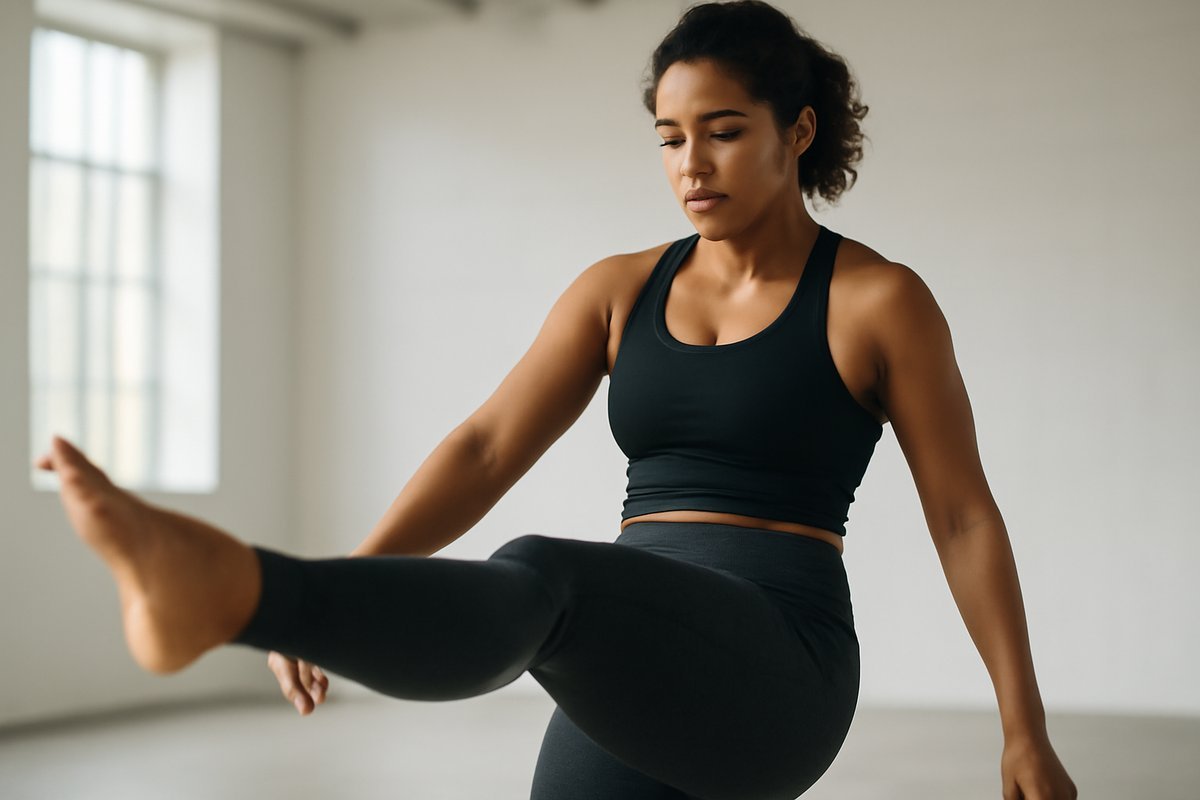
    Consider a gymnastic split. Someone who can achieve a full split with assistance demonstrates passive flexibility. However, if they can lift their leg high into a split position and hold it there using their own muscle strength, they have excellent mobility. Mobility involves the nervous system, muscle strength, and joint health all working in harmony.

    The magic happens when your muscles can actively engage and stabilize a joint throughout its entire available range. This active control protects the joint, makes movements more efficient, and reduces the risk of injury. When you stretch a muscle, you might increase its length, but without the corresponding strength to control that new range, the joint can actually become less stable. This is why just “stretching more” often falls short for lasting relief from stiffness or improved movement.

    Research published in journals like the Journal of Strength and Conditioning Research has frequently demonstrated that dynamic mobility exercises, which actively move joints through their full range, can significantly improve performance and reduce injury risk compared to static stretching alone prior to activity. These exercises enhance neuromuscular control — the communication between your brain and muscles — teaching your body to effectively use its newfound range.

    Ultimately, mobility training builds robust joints and resilient movement patterns, equipping your body to handle the demands of daily life and physical activity with greater ease and safety.

    How to Start Your Mobility Journey: Practical Steps

    Starting a mobility routine doesn’t require hours at the gym or expensive equipment. Consistency and mindful movement are key. Here’s how to begin, with options for various experience levels:

    Beginner-Friendly Entry Points (5-10 minutes daily)

    • Gentle Joint Rotations: Start with simple, slow circles for major joints. Think neck circles (gentle!), shoulder rolls, wrist circles, ankle rotations, and small hip circles. Focus on moving each joint independently and smoothly.
    • Cat-Cow Stretch: On hands and knees, arch your back as you inhale (cow) and round it as you exhale (cat). This gently mobilizes your spine.
    • Thoracic Rotations: Lie on your side with knees bent and stacked. Extend your arms forward. Keep your bottom knee grounded and rotate your top arm up and over to the other side, allowing your upper back to twist.
    • Hip Flexor Stretch: Kneel on one knee, with the other foot flat on the floor in front of you. Gently push your hips forward to feel a stretch in the front of your back hip. Hold for 30 seconds per side.

    Intermediate Progressions (10-20 minutes, 3-5 times per week)

    Once you’re comfortable with the basics, introduce “Controlled Articular Rotations” (CARs). These are slow, deliberate movements that take a joint through its largest possible pain-free range of motion, activating muscles at every point of the movement.

    • Hip CARs: From all fours or standing, slowly lift one knee and rotate your hip through its full circle, focusing on control. Imagine painting the largest circle possible with your knee.
    • Shoulder CARs: Stand tall, arm extended. Slowly rotate your arm in a large circle, focusing on isolating the shoulder joint from the torso.
    • Spine CARs: In a seated position, gently articulate your spine through flexion, extension, lateral flexion, and rotation. Think of moving one vertebra at a time.
    • Deep Squat Holds: Descend into the deepest squat you can comfortably hold with good form (heels down, chest up). Hold for 30-60 seconds, using a support if needed.

    For more specific routines, consider exploring stretching routines as a complementary practice to maintain muscle length and support your mobility work.

    Advanced Options (As part of a regular fitness routine)

    • Loaded Mobility: Incorporate light weights or resistance bands into CARs to build strength at end ranges.
    • P.A.I.L.s & P.R.O.A.I.L.s: (Progressive and Regressive Angular Isometrics) — These advanced techniques, often taught by mobility specialists, involve contracting muscles within a stretched range to rapidly increase both flexibility and strength.
    • Complex Multi-Joint Flows: Combine several mobility movements into a fluid sequence, such as “shinbox switches” or “flow” routines that move the entire body through various planes.

    Remember, the goal is to improve your active range of motion, not to push into pain. If you’re unsure about a movement or experience discomfort, consult a certified fitness professional or physical therapist. Integrating these movements will also enhance your performance in strength training and other exercises.

    Common Mistakes That Sabotage Your Mobility Gains

    While mobility training is incredibly beneficial, it’s also easy to fall into habits that prevent you from seeing the best results. Being aware of these common pitfalls can help you adjust your approach and maximize your efforts.

    1. Rushing Through Movements

    Why it happens: In our fast-paced world, it’s tempting to speed through exercises. We might treat mobility like another item on a checklist, rather than a mindful practice.

    How to fix it: Mobility training is about control and precision, not speed. Slow down each movement significantly. Focus on feeling every degree of motion in the joint. Imagine moving through thick honey. This deliberate pace allows your nervous system to better communicate with your muscles, improving motor control and making lasting changes.

    2. Only Stretching, Not Activating

    Why it happens: As discussed, many people confuse flexibility with mobility. They focus solely on static stretches, passively extending muscles without engaging the surrounding musculature.

    How to fix it: Integrate active components. When you reach the end of a range of motion (during a CAR, for example), actively try to pull yourself deeper into that range using the muscles on the opposite side of the joint. Then, try to push out of the stretch using the muscles being stretched. This teaches your body to “own” the new range, making it stable and usable.

    3. Pushing Into Pain or “No Pain, No Gain” Mentality

    Why it happens: We’re often taught that discomfort is part of progress, but with mobility, pain is a warning sign, not a goalpost. Pushing into sharp pain can lead to injury and reinforce protective guarding patterns in your body.

    How to fix it: Always work within a pain-free range. You might feel a gentle stretch or tension, but never sharp, stabbing, or pinching pain. If a movement causes pain, reduce the range or stop altogether and consult a professional. Listen to your body’s signals; they are there to protect you.

    4. Inconsistency and Lack of Structure

    Why it happens: It’s easy to treat mobility as an “add-on” when you have time, rather than a fundamental part of your routine. This inconsistent approach yields inconsistent results.

    How to fix it: Make mobility a non-negotiable part of your day, even if it’s just 5-10 minutes. Integrate it into your warm-up before a workout, as a cool-down, or as a dedicated “movement break” during your workday. Having a simple, structured routine you follow regularly is far more effective than sporadic, intense sessions.

    Fueling Your Flexibility: Nutrition for Joint Health

    While mobility training directly addresses joint mechanics and muscle control, what you put into your body plays a significant supporting role in the health and function of your joints, connective tissues, and muscles. Optimizing your nutrition can enhance your body’s ability to recover, reduce inflammation, and maintain the integrity of your musculoskeletal system.

    Stay Hydrated

    Water is essential for nearly every bodily function, including the health of your joints. Synovial fluid, which lubricates your joints and nourishes cartilage, is primarily water. Dehydration can lead to stiffer joints and reduced shock absorption. Aim for at least 8 glasses (around 2 liters) of water daily, and more if you’re active or in a warm climate.

    Prioritize Omega-3 Fatty Acids

    These essential fatty acids are well-known for their powerful anti-inflammatory properties, which can be particularly beneficial for joint comfort and recovery. Research published in the Journal of Nutrition and consistently supported by Harvard Health Publishing highlights Omega-3s’ role in reducing systemic inflammation. Incorporate fatty fish like salmon, mackerel, and sardines into your diet a few times a week, or consider plant-based sources like flaxseeds, chia seeds, and walnuts.

    Embrace Anti-Inflammatory Foods

    A diet rich in whole, unprocessed foods can naturally help combat inflammation that may contribute to joint stiffness and pain. Focus on a wide variety of fruits and vegetables (berries, leafy greens, broccoli), whole grains, legumes, and lean proteins. Spices like turmeric and ginger also have well-documented anti-inflammatory benefits.

    Limit Processed Foods and Added Sugars

    Conversely, a diet high in processed foods, unhealthy fats, and added sugars can promote chronic inflammation throughout the body. Reducing your intake of these items can create a more hospitable environment for joint health and overall well-being. This doesn’t mean complete avoidance, but rather mindful consumption.

    Ensure Adequate Micronutrient Intake

    Vitamins and minerals like Vitamin C (for collagen production), Vitamin D (for bone health and immune function), and Calcium (for bone strength) are vital for musculoskeletal integrity. Ensure your diet includes a diverse array of nutrient-dense foods to cover these needs, and consult with a registered dietitian if you have concerns about deficiencies.

    Realistic Expectations: When to See Results and What to Track

    Mobility training is a marathon, not a sprint. While you might feel immediate improvements in fluidity and reduced stiffness after a single session, significant, lasting changes take time and consistent effort. Patience is crucial.

    Realistic Timelines

    • Immediate: You’ll likely feel more fluid and less stiff right after a session, especially dynamic movements.
    • Weeks 2-4: You might notice slight improvements in your range of motion and a general reduction in everyday stiffness. Movements that felt awkward might start to feel a bit smoother.
    • Months 2-3: This is often when more noticeable and consistent gains begin to appear. You’ll likely experience significant improvements in specific movements, better posture, and a reduction in minor aches. Your body will start to “own” the new ranges of motion.
    • Beyond 3 Months: Mobility becomes a foundational habit, and you’ll continue to build on your progress. It’s about ongoing maintenance and gradual expansion, rather than dramatic leaps.

    What to Track and Monitor

    Seeing progress helps with motivation. Here are some metrics and signals to monitor:

    • Subjective Feelings: Pay attention to how your body feels. Is that morning stiffness less pronounced? Do daily tasks like reaching, bending, or squatting feel easier and more comfortable? Note these small wins.
    • Specific Movement Tests: Choose 2-3 specific movements that are currently challenging for you (e.g., reaching overhead, squatting deep, internal hip rotation). Periodically re-test them and note any improvements in depth, ease, or pain-free range.
    • Consistency: Track how often you engage in your mobility routine. Consistency is the most reliable predictor of success.
    • Workout Performance: If you exercise, observe if your mobility work is improving your form in lifts, reducing compensatory movements, or allowing you to move through a fuller range in your exercises.

    If you experience persistent pain, lack of progress after several weeks of consistent effort, or a sudden decrease in range of motion, it’s time to seek professional guidance. A physical therapist, certified athletic trainer, or experienced mobility specialist can provide a personalized assessment and tailored plan.

    Frequently Asked Questions About Mobility Training

    Q1: Is mobility training the same as stretching?

    No, they are distinct but related. Stretching primarily focuses on lengthening muscles and increasing passive range of motion. Mobility training focuses on active control and strength within the full range of motion of a joint, making the range usable and stable.

    Q2: How often should I do mobility training?

    Consistency is key. Even 5-10 minutes of dedicated mobility work daily can be highly effective. Integrating short mobility drills into your warm-up or cool-down, or taking movement breaks throughout the day, is more beneficial than one long, infrequent session.

    Q3: Can mobility training help with pain?

    Often, yes. Many common aches and pains (like lower back or knee pain) are rooted in poor movement patterns or restricted joint mobility elsewhere in the body. By improving how a joint moves, mobility training can alleviate strain and reduce pain. However, always consult a healthcare professional for persistent or severe pain.

    Q4: Do I need special equipment for mobility training?

    For most fundamental mobility work, no. Your body weight is often sufficient. Tools like foam rollers, lacrosse balls, or resistance bands can be beneficial for specific areas or for adding resistance, but they are not necessary to start.

    Q5: Is it too late to start mobility training?

    It’s never too late! While maintaining mobility throughout life is ideal, adults of any age can improve their joint health, range of motion, and overall movement quality with consistent and appropriate mobility training. Start gently and listen to your body.

    Reclaim Your Movement Freedom

    Mobility training isn’t just another fitness fad; it’s a fundamental practice for anyone looking to live a healthier, more active life with less pain and greater ease. By understanding the science and consistently applying practical, controlled movements, you’re investing in the longevity and capability of your body.

    Remember, perfection isn’t the goal — consistent, mindful effort is. Start small, focus on quality over quantity, and celebrate every incremental improvement. Your body is designed to move freely, and with dedicated mobility training, you can reclaim that inherent freedom. Why not try a few gentle joint rotations or a cat-cow stretch today and begin your journey toward unlocking your full movement potential?

    This article is for informational and educational purposes only. The content is not intended to replace professional medical, nutritional, or fitness advice. Always consult a qualified healthcare provider, registered dietitian, or certified fitness professional before starting a new health program or making significant changes to your lifestyle.

    Content reviewed by our wellness editorial team, with references to peer-reviewed research and guidelines from leading health organizations.