Tag: muscle recovery

  • Foam Rolling for Adults: Recovery, Mobility & Pain Relief

    Foam Rolling for Adults: Recovery, Mobility & Pain Relief

    You finish a solid workout, feel great — and then wake up the next morning barely able to walk down the stairs. If that sounds familiar, your recovery routine might be missing one simple tool.

    Introduction

    Here’s a number worth knowing: according to the American College of Sports Medicine, inadequate recovery is one of the top reasons active adults plateau, get injured, or quit exercising altogether. And yet most people spend zero minutes on structured recovery — they just stop moving and hope for the best.

    Foam rolling has quietly become one of the most evidence-supported self-care practices in fitness. You’ve probably seen those cylindrical foam tools in gyms, physical therapy offices, and even yoga studios — but you might not know exactly how to use one, when to use it, or why it actually helps.

    This guide breaks down the real science behind foam rolling, how it fits into a well-rounded fitness routine, and exactly how adults aged 25 to 60 can use it to move better, recover faster, and feel less beat-up after training. Whether you’re brand new to this or you’ve been half-heartedly rolling your IT band for years, there’s something here for you.

    Focus keyword upfront: foam rolling for adults is not just a trend — it’s a practical, accessible recovery tool that delivers real results when used correctly.

    Why Foam Rolling Matters More Than You Think

    Most people treat recovery like an afterthought. You work out, you eat something, you sleep — and you call it done. But muscle soreness, stiffness, and restricted movement are signs that your soft tissue needs more attention than that.

    Foam rolling is a form of self-myofascial release (SMR) — a technique that applies sustained pressure to the connective tissue surrounding your muscles. Fascia, the thin web of connective tissue that wraps around every muscle in your body, can become tight, knotted, and adhesive from repetitive movement, prolonged sitting, or high-intensity exercise.

    According to research published in the International Journal of Sports Physical Therapy, foam rolling after exercise significantly reduces delayed-onset muscle soreness (DOMS) and helps restore range of motion within 24 to 72 hours post-workout. That matters because when you’re less sore and more mobile, you’re more likely to stick to your training schedule — which is ultimately what drives results.

    Beyond soreness, stiff fascia can alter your movement patterns over time. Tight hips make squats sloppy. A locked-up thoracic spine limits shoulder mobility. Poor ankle mobility shifts load to your knees. Foam rolling addresses these restrictions before they become injuries.

    For adults over 35 especially, recovery takes longer due to natural changes in muscle fiber repair rates and reduced collagen turnover. Adding even 10 minutes of foam rolling to your post-workout routine can meaningfully support that longer recovery curve.

    The Science Behind Foam Rolling: How It Actually Works

    There’s a common myth that foam rolling "breaks up" scar tissue or "flushes out" lactic acid. Neither of those things is quite accurate — and the real mechanism is just as interesting.

    Foam rolling appears to work through two primary pathways. The first is neurological: sustained pressure on a muscle activates specialized receptors called Golgi tendon organs and mechanoreceptors, which signal the nervous system to reduce muscle tension. Essentially, you’re convincing your body it’s safe to relax.

    The second pathway is circulatory: pressure and release from a foam roller temporarily compresses local blood vessels, and when released, blood flow increases to that area — delivering oxygen and clearing metabolic waste. A study in the Journal of Athletic Training found that foam rolling the quadriceps for just 20 seconds improved blood flow and reduced perceived soreness in recreational athletes compared to a control group.

    One misconception worth busting: foam rolling is not the same as stretching, and it shouldn’t replace it. Stretching lengthens the muscle; rolling targets the fascia and neuromuscular tension. They complement each other but do different things. Ideally, you roll first to reduce tension, then stretch to lengthen the muscle through its full range.

    Research from Harvard Health Publishing also notes that foam rolling can be beneficial for people with mild chronic low back pain and hip flexor tightness — both extremely common in desk-working adults — by reducing myofascial restrictions and improving segmental mobility.

    How to Get Started with Foam Rolling

    The good news: you don’t need a gym membership or a trainer to start. A quality foam roller costs between $15 and $40, and you can use it at home in under 15 minutes.

    Beginner Protocol (10-15 minutes, 3x per week)

    1. Choose the right roller: Start with a smooth, medium-density foam roller (not the spiky trigger point version). High-density and textured rollers are better suited for intermediate and advanced users with established tissue tolerance.
    2. Roll slowly — 1 inch per second: Most people roll too fast. The goal is to apply sustained pressure, not speed. Move about one inch per second along the muscle belly.
    3. Pause on tender spots: When you hit a tight or tender area, pause for 20 to 30 seconds and breathe deeply. Don’t roll aggressively over it — hold it.
    4. Start with large muscle groups: Begin with calves, hamstrings, quadriceps, and upper back (thoracic spine). These are the safest, most impactful areas for beginners.
    5. Avoid rolling your lower back directly: The lumbar spine lacks the structural support that the thoracic spine has. Roll your glutes and lats instead to indirectly address lower back tightness.
    6. Spend 60 to 90 seconds per muscle group: You don’t need to roll for 10 minutes per muscle. 60 to 90 seconds per area is enough to create a neurological and circulatory response.

    Intermediate Option: Add targeted trigger point work using a lacrosse ball or textured roller for areas like the glutes, hip flexors, and pectorals. These smaller tools allow more precise pressure on stubborn knots.

    Advanced Option: Use foam rolling as part of a structured warm-up before training — rolling tight areas first, then performing dynamic stretches to prepare joints for load. This is a common practice recommended by the National Academy of Sports Medicine (NASM) in their corrective exercise protocols.

    Common Mistakes That Sabotage Your Foam Rolling Results

    Foam rolling is simple — but simple doesn’t mean effortless. These are the mistakes that keep most people from getting real benefit:

    1. Rolling too fast
    This is the number one error. Fast rolling feels like a massage, but it doesn’t create the sustained pressure needed to trigger a neuromuscular response. Slow down. Think of it like giving the tissue time to "read" the pressure and respond.

    2. Rolling directly over joints or bones
    The IT band is a classic example. Many people aggressively roll the outer thigh — which is actually a dense band of connective tissue, not a muscle — expecting it to loosen up. The better approach is to roll the tensor fasciae latae (TFL) at the hip and the lateral quad, which are the muscles pulling the IT band tight. Never roll over your knee joint, elbow, or spine directly.

    3. Skipping it when you’re sore
    Counterintuitively, people often skip foam rolling on the days they need it most — when they’re sore. Light foam rolling on sore muscles (using less pressure, slower pace) can actually speed up recovery. The key is to reduce the pressure and be gentler, not to avoid it altogether.

    4. Only rolling after workouts
    Foam rolling is also effective first thing in the morning to reduce overnight stiffness, or during the day if you sit for long hours. Adults who sit at a desk for 6 or more hours daily can especially benefit from a mid-day glute and thoracic spine rolling session.

    5. Expecting immediate structural change
    Foam rolling isn’t going to permanently fix muscle imbalances in one session. Results are cumulative — consistent use over several weeks is what produces lasting improvements in mobility and reduced soreness. Think of it like flossing: one session helps, but the habit is what creates long-term benefit.

    Best Areas to Target and What to Avoid

    Not every body part benefits equally from foam rolling. Here’s where to focus — and what the Academy of Nutrition and Dietetics’ exercise-science counterparts in physical therapy recommend avoiding:

    High-Priority Areas for Most Adults:

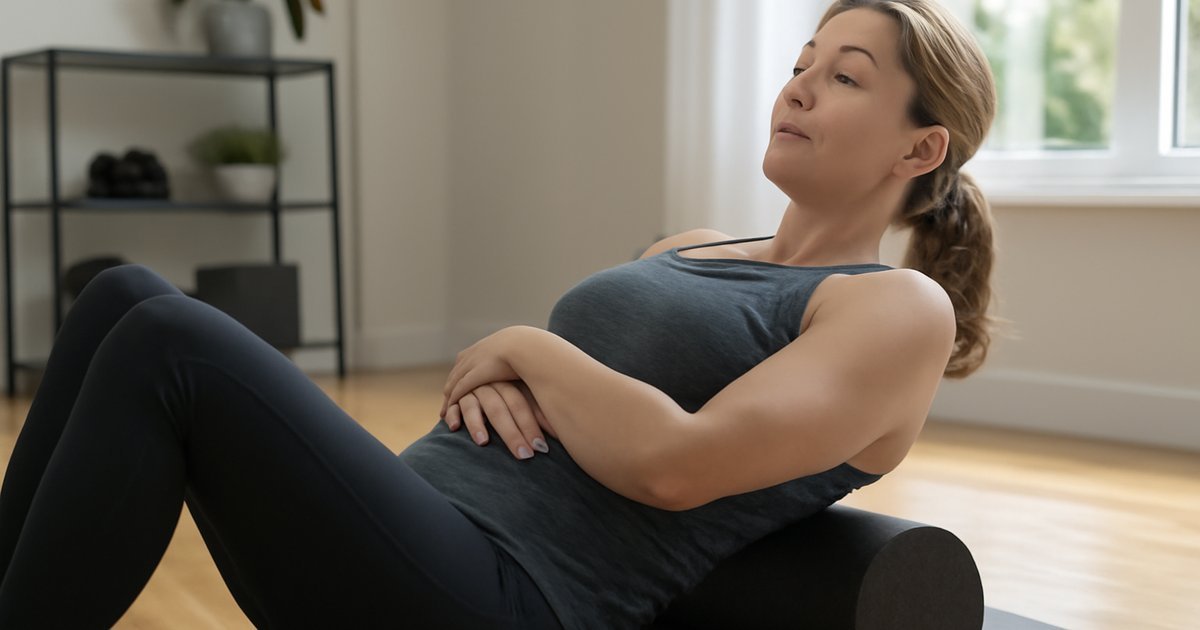
    • Thoracic spine (mid-back): Most desk workers have a hyperkyphotic (rounded) upper back. Rolling the mid-back can restore extension and relieve shoulder and neck tension. Place the roller horizontal to your spine, support your head, and gently extend over it.
    • Glutes and piriformis: Tight glutes contribute to low back pain and poor hip mechanics. Sit on the roller with one ankle crossed over the opposite knee for a targeted release.
    • Hip flexors (psoas area): Chronic sitting shortens the hip flexors. Roll the front of the hip just below the ASIS (hip bone) to address this.
    • Calves and soleus: Often overlooked, tight calves limit ankle mobility and can affect everything from squatting form to running stride. Stack one leg on top of the other for increased pressure.
    • Lats and teres major: Critical for shoulder health and overhead movement. Roll the side of your body from the armpit down toward the mid-back.

    Areas to Approach With Caution or Avoid:

    • Lumbar spine (lower back) — roll glutes and lats instead
    • Back of the knee (popliteal fossa) — sensitive vascular area
    • Front of the neck — carotid arteries are present
    • Directly on the IT band with heavy pressure — counterproductive for most people

    If you’re managing a specific injury or chronic condition, always get clearance from a physical therapist or sports medicine physician before targeting that area with a roller.

    For a more complete recovery-focused fitness routine, pairing foam rolling with low-impact cardio options like power walking or cycling can significantly reduce muscle fatigue between harder training sessions.

    How Long Until You See Results — and What to Track

    This is where expectations need to be honest. Foam rolling is not a quick fix — but it does produce measurable changes on a realistic timeline.

    Week 1-2: Most people notice reduced post-workout soreness and a modest improvement in how their muscles feel before and after exercise. You may also feel slightly less stiff in the morning. These are early neurological responses — real, but temporary unless the habit sticks.

    Week 3-6: With consistent use (3 to 5 times per week), you’ll likely notice improved range of motion in targeted areas. Squats may feel more comfortable, shoulder mobility may improve, and posture during prolonged sitting may become easier to maintain. Research published in the Journal of Sports Rehabilitation found statistically significant improvements in hip flexion and hamstring flexibility after just four weeks of consistent foam rolling in sedentary adults.

    Week 6-12: Cumulative improvements in movement quality, reduced injury risk, and better mind-muscle connection during workouts are common outcomes reported in the literature for regular foam rolling practitioners.

    What to Track:

    • Rate your soreness on a 1-10 scale the day after workouts (track this weekly)
    • Perform a simple range-of-motion test: standing toe touch, overhead reach, or a deep squat — note how it feels before and after rolling
    • Track whether tight areas become less tender over time (less pain on the same pressure means progress)
    • Monitor workout consistency — are you missing fewer sessions due to soreness?

    If you’ve been rolling consistently for 8 weeks and haven’t noticed any improvement in mobility or soreness, consider consulting a physical therapist. Persistent restriction may have a structural cause that self-myofascial release alone won’t address.

    If you’re incorporating foam rolling into a broader fitness program, you might also find value in pairing it with structured balance training or Pilates — both of which emphasize body awareness, muscle control, and injury prevention in ways that complement foam rolling’s recovery benefits.

    Frequently Asked Questions

    Is foam rolling safe for older adults?
    Generally, yes — foam rolling is considered low-risk for healthy adults of all ages. However, adults over 50 should start with a softer roller and lighter pressure, especially if they have osteoporosis, varicose veins, or joint replacements. Always check with your physician if you have a chronic condition before starting.

    Should I foam roll before or after a workout?
    Both can be beneficial, but serve different purposes. Pre-workout rolling (2 to 5 minutes on tight areas) helps reduce neuromuscular restriction before movement. Post-workout rolling (10 to 15 minutes) supports recovery and reduces soreness. The research slightly favors post-workout rolling for soreness reduction specifically.

    How hard should I press?
    A common benchmark: you want a "good pain" sensation — uncomfortable but tolerable, around a 5 to 7 out of 10 discomfort level. If you’re bracing, holding your breath, or cringing, that’s too much pressure. Reduce it. You should be able to breathe normally and relatively relax into the roller.

    Can I foam roll every day?
    Yes — daily foam rolling is safe and often beneficial for most adults, especially if sessions are 10 to 15 minutes and not overly aggressive. In fact, consistency is the biggest predictor of results. Short daily sessions outperform long occasional ones.

    Does foam rolling help with weight loss?
    Not directly. Foam rolling doesn’t burn significant calories. However, by improving recovery and reducing soreness, it can support a more consistent exercise schedule — which does contribute to weight management over time. It’s a recovery tool, not a primary fat-loss strategy.

    Conclusion

    You don’t need an expensive recovery gadget or a two-hour spa session to feel better after training. A simple foam roller, 10 to 15 minutes of intentional practice, and a bit of consistency is genuinely enough to make a difference in how you feel, move, and perform.

    The research is clear: foam rolling reduces soreness, improves range of motion, and supports better movement patterns over time. And perhaps more importantly — it helps you keep showing up. Fewer missed sessions due to soreness means more progress, more momentum, and a stronger long-term relationship with your health.

    Start tonight. Pick three muscle groups, roll each one for 90 seconds, and notice how you feel in the morning. Small steps, taken consistently, always win.


    Wellness Disclaimer: This article is for informational and educational purposes only. The content is not intended to replace professional medical, nutritional, or fitness advice. Always consult a qualified healthcare provider, registered dietitian, or certified fitness professional before starting a new health program or making significant changes to your lifestyle.

    Author Line: Content reviewed by our wellness editorial team, with references to peer-reviewed research and guidelines from leading health organizations.
  • Flexibility Training for Adults: Move Better, Feel Stronger

    Flexibility Training for Adults: Move Better, Feel Stronger

    Flexibility Training for Adults: Move Better, Feel Stronger

    If bending down to tie your shoes leaves you winded — or your hips ache after sitting at a desk all day — flexibility training might be the missing piece in your wellness routine.

    Why Most Adults Are Losing Flexibility Without Realizing It

    Here’s a sobering truth: after age 30, adults can lose up to 10% of their muscle flexibility per decade if they don’t actively work to maintain it. That’s not a scare tactic — it’s a well-documented physiological reality confirmed by research published in the Journal of Aging and Physical Activity.

    Most people don’t notice the gradual stiffness creeping in until something goes wrong — a pulled hamstring during a weekend jog, chronic lower back pain after long work hours, or simply the frustrating inability to reach overhead without wincing.

    And yet, flexibility is one of the most neglected components of adult fitness. Unlike strength training or cardio, it rarely gets scheduled into the week. There’s no calorie counter for a hip flexor stretch. No leaderboard for a longer hamstring hold.

    But here’s what the science keeps confirming: flexibility isn’t just about being able to touch your toes. It’s directly tied to injury prevention, joint health, posture, athletic performance, and even stress relief. In this guide, you’ll get a practical, evidence-based roadmap to start — or restart — a flexibility training routine that actually fits your life.

    Why Flexibility Training Matters More Than You Think

    Flexibility is formally defined by the American College of Sports Medicine (ACSM) as the ability of a joint or series of joints to move through an unrestricted, pain-free range of motion. It sounds clinical, but in everyday terms it means how freely and comfortably your body moves.

    The stakes are higher than most people realize. According to the ACSM’s Health-Related Fitness guidelines, poor flexibility is a contributing risk factor for musculoskeletal injuries, chronic pain conditions, and even falls in older adults. In a population where back pain alone affects roughly 80% of Americans at some point in their lives (per the National Institutes of Health), that matters enormously.

    Beyond injury prevention, flexibility training has been linked to improved circulation, reduced muscle soreness, better posture, and reduced tension headaches — all issues that affect busy adults in their prime working years.

    There’s also an underappreciated connection between flexibility and stress. Research published in the Journal of Physical Therapy Science found that stretching activates the parasympathetic nervous system, helping lower cortisol levels and promote a calmer mental state. That means a 10-minute stretching session before bed isn’t just good for your hips — it may also help you sleep better.

    The bottom line: flexibility training is a foundation, not an accessory. If you’re already doing compound exercises for full-body strength or following a mobility training program, adding structured flexibility work will amplify your results across the board.

    The Science Behind Flexibility: How It Actually Works

    Before diving into techniques, it helps to understand what’s actually happening in your body when you stretch. Muscles don’t work alone — they’re surrounded by connective tissue called fascia, and attached to bones via tendons. When you hold a stretch, you’re influencing all of these structures.

    The primary mechanism behind improved flexibility is a reduction in neural inhibition. In simple terms, your nervous system limits how far a muscle stretches as a protective reflex. Regular stretching trains your brain to tolerate a greater range of motion over time — not just your tissues. This is why consistency matters more than intensity when it comes to flexibility gains.

    Busting a common myth: Many people believe that stretching before a workout prevents injuries and improves performance. However, the research tells a different story. A landmark review published in the British Journal of Sports Medicine found that static stretching (holding a stretch for 30-60 seconds) performed immediately before exercise can actually temporarily reduce muscular strength and power output by up to 8%.

    The better approach? Save static stretching for after workouts or as a standalone session. Before exercise, opt for dynamic stretching — controlled movements that take your joints through their range of motion, like leg swings, arm circles, and hip rotations. This primes the nervous system without compromising muscle performance.

    There are three main types of flexibility training worth knowing:

    • Static stretching: Hold a position for 20-60 seconds. Best for post-workout or dedicated sessions.
    • Dynamic stretching: Controlled, movement-based. Ideal pre-workout warm-up.
    • PNF stretching (Proprioceptive Neuromuscular Facilitation): Contract-relax technique, often done with a partner. Highly effective for rapid flexibility gains, but requires proper instruction.

    Each has its place in a well-rounded program. For most adults starting out, static and dynamic stretching provide the best accessibility-to-results ratio.

    How to Get Started: A Practical Flexibility Routine

    The most important thing to know before you start: you don’t need to be flexible to start a flexibility program. That would be like needing to be strong before starting strength training. You simply begin where you are.

    The ACSM recommends that adults perform flexibility exercises for all major muscle groups at least 2-3 days per week, with daily stretching being ideal for maximum benefit. Each stretch should be held for 10-30 seconds (building to 60 seconds over time), and repeated 2-4 times.

    Beginner Level — The Daily 10-Minute Routine

    Focus on the most commonly tight areas for desk workers and sedentary adults:

    1. Standing quad stretch — 30 seconds each side. Hold a wall if needed for balance.
    2. Standing hamstring stretch (forward fold) — 30-45 seconds. Keep knees slightly bent to protect your lower back.
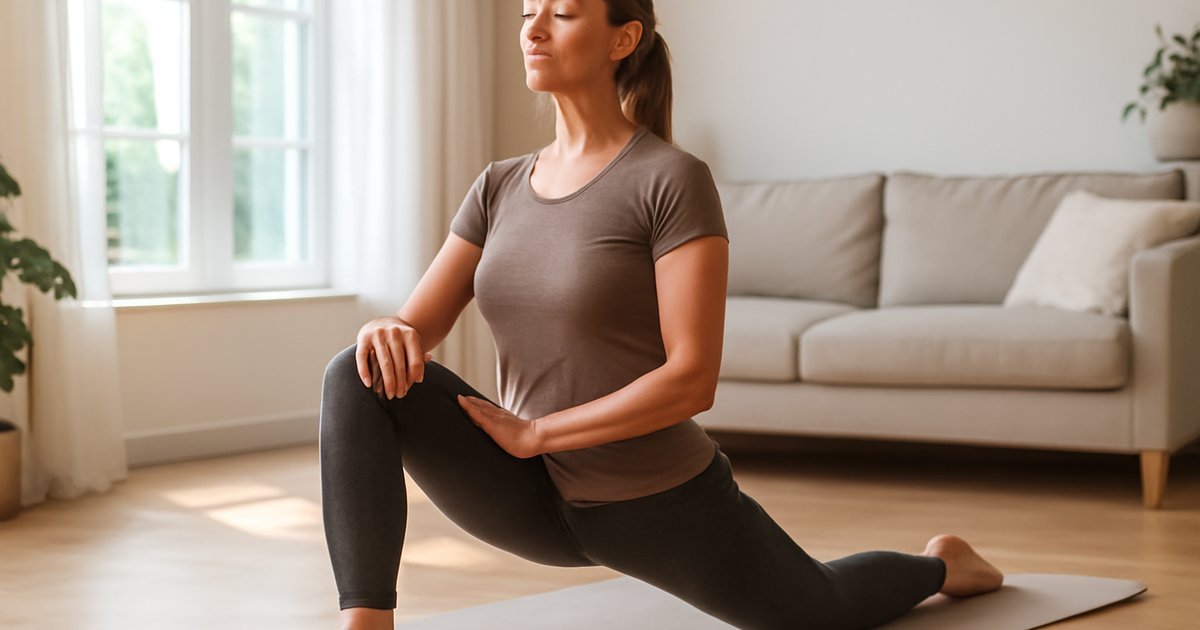
    3. Hip flexor lunge stretch — 30-45 seconds each side. Drop to one knee, shift your hips forward gently.
    4. Chest opener stretch — Clasp hands behind your back and gently open your chest. 30 seconds.
    5. Neck side stretch — Tilt ear toward shoulder, apply gentle pressure with hand. 20 seconds each side.
    6. Seated figure-four stretch — Cross one ankle over the opposite knee. Hold 30-45 seconds each side. Excellent for piriformis and hip rotators.

    Do this sequence daily. Results won’t come overnight, but most people notice meaningful improvement in tightness and ease of movement within 3-4 weeks of consistent practice.

    Intermediate Level

    Once the beginner routine feels manageable, add:

    • Extended hold times (45-60 seconds per stretch)
    • Butterfly stretch for inner thighs and groin
    • Pigeon pose (from yoga) for deep hip opening
    • Doorway pectoral stretch for chest and shoulder health
    • Supine spinal twist for thoracic and lumbar mobility

    Advanced Level

    Incorporate PNF techniques with a trained partner or coach, yoga flows that challenge end-range flexibility, and targeted active flexibility work (holding the stretched position using your own muscle strength rather than gravity or assistance).

    If you’re already doing bodyweight training, adding this flexibility sequence as a cooldown is an efficient way to check both boxes in the same session.

    Common Mistakes That Sabotage Your Flexibility Progress

    Most adults who try flexibility training don’t fail because the approach is wrong — they fail because of entirely avoidable errors. Here are the most common ones:

    Mistake 1: Bouncing through the stretch (ballistic stretching)
    This feels natural — bouncing at the end range of a hamstring stretch, for example. But ballistic stretching triggers the stretch reflex, causing the muscle to contract rather than relax. It also raises your injury risk. Fix it: move into the stretch slowly, breathe into it, and hold without bouncing.

    Mistake 2: Holding your breath
    Tension and breath-holding go hand in hand, and they work against you in flexibility training. When you hold your breath, you increase muscular tension system-wide. Fix it: inhale slowly to prepare, then exhale as you deepen into the stretch. Use long, slow nasal breaths throughout each hold.

    Mistake 3: Only stretching what’s already flexible
    People tend to stretch what feels good, not what needs work. If your calves are naturally loose, you might ignore your tight hip flexors. Fix it: do a full-body flexibility assessment — or simply follow a structured routine that targets all major muscle groups equally.

    Mistake 4: Inconsistency
    Stretching once a week after an intense workout won’t move the needle. Flexibility requires consistent stimulus to adapt. Fix it: treat flexibility like brushing your teeth — a daily non-negotiable, even if it’s just 10 minutes. The ACSM specifically highlights frequency as the key variable in flexibility improvement.

    Mistake 5: Stretching through sharp or acute pain
    There’s a difference between the productive discomfort of a deep stretch and pain that signals tissue damage. Flexibility work should feel like a sustained, manageable pull — never a sharp, stabbing, or burning sensation. Fix it: if you feel sharp pain, back off immediately and consult a physical therapist before continuing.

    What Supports Your Flexibility: Nutrition and Recovery Habits

    Flexibility training doesn’t happen in a vacuum. Several nutritional and lifestyle factors directly affect how well your muscles and connective tissue respond to stretching.

    Hydration matters more than most people think. Fascia and connective tissue are water-dependent structures. Dehydrated tissues are stiffer, less pliable, and more injury-prone. The National Academies of Sciences, Engineering, and Medicine recommends approximately 3.7 liters of total daily water intake for men and 2.7 liters for women (from all food and beverage sources combined).

    Protein and collagen synthesis. Connective tissues — tendons, ligaments, and fascia — are largely made of collagen. The Academy of Nutrition and Dietetics highlights that adequate protein intake supports tissue repair and remodeling. Some research, including a study published in the American Journal of Clinical Nutrition, suggests that vitamin C-enriched collagen supplements taken before training may support collagen synthesis in tendons and ligaments — though more research is needed.

    Anti-inflammatory foods. Chronic low-grade inflammation can increase muscle stiffness and reduce range of motion over time. Diets rich in omega-3 fatty acids (from salmon, sardines, walnuts, and flaxseed), colorful vegetables, and polyphenol-rich foods like blueberries and olive oil are associated with lower systemic inflammation according to research cited by Harvard Health Publishing.

    Magnesium. This essential mineral plays a role in muscle relaxation and neuromuscular function. According to the NIH, many American adults fall short of recommended magnesium intake. Foods like spinach, pumpkin seeds, black beans, and almonds are excellent dietary sources.

    Sleep and recovery. Much of the tissue adaptation from flexibility training happens during sleep. Consistently poor sleep can impair connective tissue recovery and increase perceived muscle tightness. Prioritizing 7-9 hours per night (per the National Sleep Foundation) is a legitimate part of your flexibility strategy.

    How Long Until You See Real Results — and What to Track

    Flexibility gains are real, measurable, and often faster to achieve than most people expect — but they do require patience and consistency.

    Research published in the Journal of Strength and Conditioning Research found that participants who stretched 5 days per week for 6 weeks showed significant improvements in hamstring flexibility compared to those who stretched 2-3 days per week. The takeaway: frequency is the most powerful lever you can pull.

    Realistic timelines:

    • Week 1-2: Reduced muscle tightness and tension. You’ll feel it, even if you can’t measure it.
    • Week 3-4: Noticeable improvement in range of motion for key areas like hamstrings, hip flexors, and shoulders.
    • Week 6-8: Measurable flexibility gains. This is when most people start seeing objective changes (can reach further, move more freely).
    • Month 3+: Sustained improvement in functional movement, posture, and reduction in everyday aches and stiffness. Results vary based on age, starting flexibility, and consistency.

    What to track:

    • Sit-and-reach test: A classic benchmark for hamstring and lower back flexibility. Measure weekly.
    • Shoulder flexibility: Can you clasp your hands behind your back? Note which side is tighter.
    • Hip flexibility: How far can you drop into a hip flexor lunge before feeling the stretch? Track progressively.
    • Subjective tightness rating: Rate morning stiffness on a scale of 1-10. This simple self-measure is surprisingly valuable over time.

    If you’re not seeing any improvement after 8 weeks of consistent effort, consider consulting a physical therapist. Some stiffness is related to joint structure, past injuries, or neuromuscular patterns that benefit from professional assessment.

    Frequently Asked Questions About Flexibility Training

    Is it too late to start flexibility training after 40 or 50?
    Absolutely not. While connective tissue does become less elastic with age, research consistently shows that adults of all ages respond positively to regular stretching. A study in the Journal of Aging and Physical Activity found significant flexibility improvements in adults aged 40-70 after a 12-week stretching program. Starting later simply means starting — and every week of consistency moves you forward.

    How long should I hold each stretch?
    The ACSM recommends holding static stretches for 10-30 seconds at minimum, building toward 60 seconds as you progress. Shorter holds (under 10 seconds) provide minimal lasting benefit. For most adults, 30-45 seconds per stretch, repeated 2-3 times, is the practical sweet spot.

    Can flexibility training help with lower back pain?
    For many adults, yes — particularly when the pain is related to tight hip flexors, hamstrings, or thoracic stiffness. The Mayo Clinic notes that targeted stretching is a common component of back pain management programs. However, some back conditions require specific movement precautions, so always consult your healthcare provider before beginning if you have existing back issues.

    Should I stretch every day?
    Daily stretching is ideal and generally safe. Unlike strength training, flexibility training doesn’t require recovery days between sessions — gentle daily stretching can actually accelerate progress. The exception is if a specific area is acutely sore or injured, in which case rest and professional guidance are appropriate.

    Does yoga count as flexibility training?
    Yes, with important nuance. Yoga incorporates static flexibility work, dynamic movement, balance, and sometimes strength — making it an excellent complementary practice. Research published in PLOS ONE found that regular yoga practice significantly improved flexibility and balance in adults. However, yoga alone may not address all tight areas systematically, which is why a dedicated stretching routine remains valuable alongside it.

    The Takeaway: Small Stretches, Big Payoffs

    Flexibility training isn’t glamorous. It won’t make headlines the way a new HIIT protocol does. But day after day, it quietly does something profound — it keeps your body moving freely, reduces pain, improves your posture, and makes every other form of exercise more effective and enjoyable.

    You don’t need an hour-long yoga class or a personal trainer on day one. You need 10 consistent minutes, a clean stretch sequence, and the patience to show up regularly. Start with the beginner routine in this guide. Do it after your next workout or right before bed tonight.

    Your future self — the one who bends down without groaning, reaches overhead without wincing, and moves through the day with ease — will thank you for the small, boring, completely life-changing choice you made today.


    Wellness Disclaimer: This article is for informational and educational purposes only. The content is not intended to replace professional medical, nutritional, or fitness advice. Always consult a qualified healthcare provider, registered dietitian, or certified fitness professional before starting a new health program or making significant changes to your lifestyle.

    Content reviewed by our wellness editorial team, with references to peer-reviewed research and guidelines from leading health organizations.

  • Stretching Routines: Flexibility, Recovery & Daily Mobility

    Stretching Routines: Flexibility, Recovery & Daily Mobility

    Stretching Routines: Flexibility, Recovery & Daily Mobility

    You don't have to be a yogi or a gymnast to benefit from stretching — you just have to start showing up for your body in small, consistent ways.

    Introduction

    Think about the last time you got up from your desk after a long afternoon of work and felt that familiar tightness in your hips, a dull ache in your lower back, or stiffness running up through your shoulders. That's not just discomfort — it's your body sending you a message that it's been neglected.

    Here's a surprising figure: according to the American College of Sports Medicine, flexibility training is one of the four essential components of physical fitness — alongside cardiovascular endurance, muscular strength, and body composition — yet it's consistently the most skipped part of any workout routine.

    Most people treat stretching as an afterthought, something you do quickly before a run or skip entirely because "it doesn't count as real exercise." But a well-structured stretching routine can meaningfully improve how you move, how fast you recover, and even how you feel mentally on a daily basis.

    In this guide, you'll learn why stretching matters beyond flexibility, how different types of stretching work (and when to use them), how to build a practical routine that fits your life, and what to expect in terms of real results. No splits required.

    Why Stretching Matters More Than You Think

    Flexibility often gets associated purely with aesthetics — touching your toes, doing the splits — but the actual health stakes are much higher than that. Tight muscles pull joints out of alignment, disrupt posture, reduce range of motion, and increase injury risk during everyday activities, not just athletic ones.

    A 2019 review published in the Journal of Physical Therapy Science found that regular stretching significantly reduced lower back pain and improved functional mobility in sedentary adults — a group that represents a huge portion of the US workforce. For people who sit for more than six hours a day, hip flexor tightness and thoracic stiffness are nearly universal, and they don't resolve on their own.

    There's also a circulatory benefit that often goes overlooked. Stretching increases blood flow to the muscles being worked, which supports tissue repair, reduces delayed onset muscle soreness (DOMS), and may contribute to better vascular health over time. According to Harvard Health Publishing, regular flexibility work also activates the parasympathetic nervous system — the body's "rest and digest" mode — which can meaningfully reduce resting stress levels.

    If you're already combining movement with other wellness habits, you'll find that stretching works synergistically with strength work and cardio. And if you want a broader look at how to structure movement into your week, our Home Workout Plans guide offers a solid complement to what you'll find here.

    The Science Behind Stretching: How It Actually Works

    Not all stretching is the same, and using the wrong type at the wrong time can actually impair performance rather than support it. Understanding the basic mechanisms helps you make smarter choices.

    There are three primary categories of stretching you'll encounter in the fitness world:

    • Static stretching — holding a stretch in a fixed position for 20-60 seconds. Best for post-workout cool-downs or standalone flexibility sessions.
    • Dynamic stretching — controlled, active movement through a range of motion (think leg swings, arm circles, walking lunges). Best for warm-ups before exercise.
    • Proprioceptive Neuromuscular Facilitation (PNF) — alternating contraction and relaxation of a muscle to deepen the stretch. Often done with a partner. This is an advanced technique with strong evidence for rapid flexibility gains.

    Here's the myth worth busting: static stretching before intense exercise does not prevent injury — and research confirms it may actually reduce power output. A meta-analysis published in the Scandinavian Journal of Medicine & Science in Sports found that pre-exercise static stretching reduced muscle strength by up to 8% when held for longer than 60 seconds. Save the long holds for after your workout or on rest days.

    The neuromuscular mechanism behind flexibility is also worth understanding. When you hold a stretch, your muscle's sensory receptors — specifically the muscle spindles and Golgi tendon organs — gradually signal the nervous system to allow a greater range of motion. This is why flexibility improves over weeks, not in a single session. Consistency is everything here.

    Results vary significantly based on age, muscle fiber composition, activity history, and even genetics. Some people naturally have more elastic connective tissue; others will need to work at it longer. That's completely normal.

    How to Build Your Stretching Routine: Practical Steps

    The best stretching routine is the one you'll actually stick with. Here's how to build one that matches your current level and fits into a real schedule.

    Beginner: The 10-Minute Daily Reset

    If you're new to intentional stretching, start simple. Ten minutes of targeted static stretching per day — ideally in the evening or after a workout — will produce noticeable changes within three to four weeks.

    1. Standing quad stretch — 30 seconds each leg
    2. Seated hamstring stretch — 30 seconds each leg
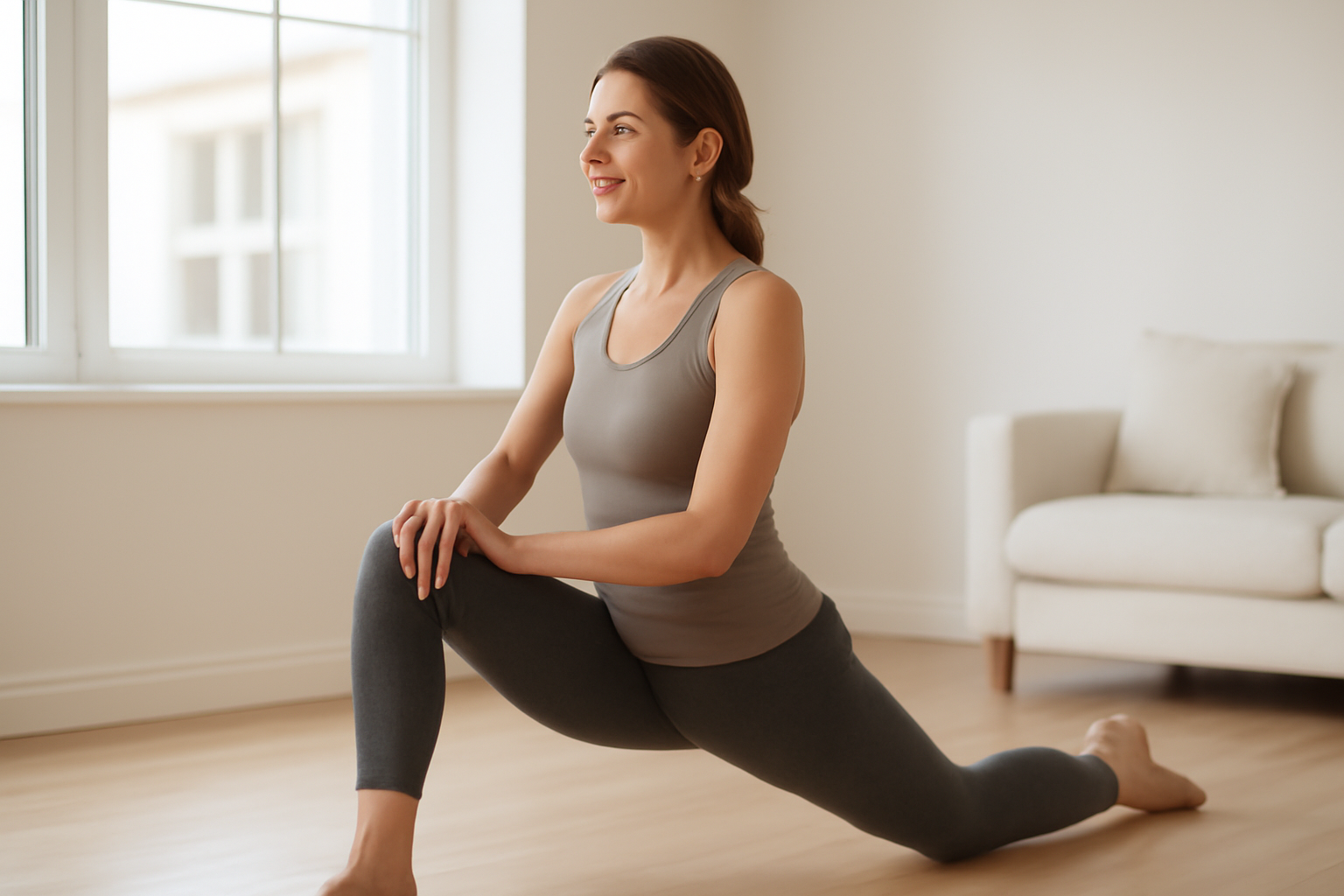
    3. Hip flexor lunge stretch — 30 seconds each side
    4. Chest opener (doorway stretch) — 30 seconds
    5. Child's pose — 60 seconds
    6. Seated figure-four glute stretch — 30 seconds each side

    Focus on breathing deeply into each stretch rather than forcing range of motion. Discomfort is okay; sharp or shooting pain is not.

    Intermediate: Adding Dynamic Warm-Up Protocols

    Once you're stretching consistently, add dynamic work before any strength or cardio session. A 5-minute dynamic routine might include:

    • Leg swings (forward/back and side to side) — 10 reps each direction per leg
    • Hip circles — 10 reps each direction
    • Arm circles and shoulder rolls — 10 reps
    • Inchworm walk-outs — 5 reps
    • World's greatest stretch (a multi-joint mobility move) — 3 reps each side

    Advanced: Mobility Training and PNF

    If you're looking to significantly improve range of motion for athletic performance or to address specific joint restrictions, explore structured mobility programs (like those used in physical therapy) or PNF stretching with a certified fitness professional. Yoga is also an excellent advanced-level tool — our yoga benefits article breaks this down in depth.

    Common Mistakes That Sabotage Your Flexibility Progress

    Even well-meaning stretchers regularly make a handful of errors that slow their results significantly — or create new problems.

    Mistake 1: Stretching Cold Muscles

    Pulling a cold, tight muscle into a deep stretch before it's warmed up is one of the most common sources of strains. Muscle tissue is more pliable when its temperature is slightly elevated. A 5-minute light walk or jumping jacks is all you need before a static stretching session. This is an easy fix that dramatically reduces risk.

    Mistake 2: Bouncing Through Stretches (Ballistic Stretching)

    Ballistic stretching — using momentum to force a stretch — activates the stretch reflex, which actually causes the muscle to contract rather than lengthen. This increases injury risk and is generally not recommended for recreational athletes. Hold stretches slowly and steadily instead.

    Mistake 3: Only Stretching What's Already Tight

    Most people stretch the muscles they feel most — hamstrings, calves — while ignoring hip flexors, thoracic spine, and shoulder internal rotators. This selective stretching doesn't address the underlying imbalances that cause posture and movement problems. A full-body approach produces far better functional results.

    Mistake 4: Skipping It on "Good Days"

    Flexibility training works cumulatively. Skipping sessions because you "feel fine" erodes the gains made in previous sessions. Consistency over intensity is the rule here. Even five minutes done daily outperforms a 45-minute session once a week.

    Mistake 5: Holding Their Breath

    Bracing or holding the breath during a stretch triggers the sympathetic nervous system — essentially a mild stress response — which counteracts the muscle-relaxing effect you're trying to achieve. Slow, nasal breathing during stretches deepens the neurological release and makes every second more effective.

    What to Pair With Your Stretching Routine for Better Results

    Stretching doesn't exist in isolation. Certain nutritional and lifestyle habits meaningfully affect how quickly your flexibility and recovery improve.

    Hydration: Muscle tissue is approximately 75% water. Dehydrated muscles are stiffer, more prone to cramping, and slower to recover. The USDA recommends at least 8-10 cups of water per day for active adults, and more if you're exercising regularly or live in a hot climate.

    Protein intake: According to the Academy of Nutrition and Dietetics, adequate protein (0.7–1.0 grams per pound of body weight for active adults) supports the repair of connective tissue, including the fascia and tendons that surround your muscles. Without it, even the best flexibility routine will hit a ceiling.

    Anti-inflammatory foods: Chronic low-grade inflammation limits tissue elasticity and slows recovery. Foods rich in omega-3 fatty acids (salmon, walnuts, chia seeds), antioxidants (berries, leafy greens, turmeric), and polyphenols have been shown in multiple NIH-reviewed studies to support musculoskeletal recovery and reduce exercise-induced inflammation.

    Sleep: The National Sleep Foundation identifies deep sleep as the period when the majority of physical tissue repair occurs, including muscle and connective tissue. Consistently getting 7-9 hours per night is one of the most underappreciated accelerators of flexibility and recovery progress.

    If walking is already part of your routine, that's a natural complement to stretching — and our science-backed walking guide covers how to build it into a balanced movement practice.

    How Long Until You See Results — and What to Track

    This is where honest expectations matter. Flexibility is one of the slower-adapting physical qualities, and timelines vary widely depending on your starting point, age, and consistency.

    Research from the American College of Sports Medicine suggests that with consistent static stretching (five or more days per week), most adults begin to notice measurable range-of-motion improvements within three to six weeks. Significant changes — the kind that translate to visible posture improvements and reduced daily stiffness — typically emerge between eight and twelve weeks.

    Here's what to actually track, instead of chasing arbitrary benchmarks like "touching your toes":

    • Morning stiffness duration — How long does it take to feel physically fluid after waking up? This should decrease.
    • Pain-free range of motion — Can you rotate your shoulder more fully? Can you sit cross-legged comfortably for longer?
    • Exercise recovery time — Are your muscles recovering faster between sessions?
    • Postural alignment — Take a side-profile photo weekly to observe shoulder positioning and lower back curvature changes.

    If you've been consistent for 10-12 weeks and are not seeing any progress in range of motion or daily comfort, that's a signal to consult a physical therapist or certified strength and conditioning specialist. Underlying joint issues, nerve tension, or structural factors sometimes require professional assessment to address effectively.

    Frequently Asked Questions

    How long should I hold each stretch?

    For static stretching, the ACSM recommends holding each stretch for 15-60 seconds and repeating two to four times per muscle group. Beginners should start at the lower end — even 15-20 seconds done consistently beats long holds done occasionally. Holding beyond 60 seconds rarely adds significant benefit for most adults.

    Is it okay to stretch every day?

    Yes — for most adults, daily static or light dynamic stretching is safe and actually encouraged. Unlike strength training, muscles don't require 48 hours of recovery between flexibility sessions. The key is avoiding aggressive overstretching, which can strain connective tissue. Gentle to moderate intensity, every day, is the optimal approach.

    Can stretching help with chronic lower back pain?

    In many cases, yes — but the cause matters. Lower back pain driven by tight hip flexors, weak glutes, and hamstring inflexibility often responds well to a targeted stretching and mobility routine. However, stretching alone is not a treatment for herniated discs, sciatica, or structural spinal issues. Always consult a healthcare provider for persistent or severe back pain before starting a self-directed program.

    Should I stretch before or after strength training?

    Dynamic stretching before strength training; static stretching after. Pre-workout, dynamic movements prepare your joints and muscles for load without reducing force output. Post-workout, static holds help release accumulated tension, support blood flow to fatigued tissue, and begin the recovery process. Swapping the order can reduce your performance and increase soreness.

    Will stretching help me lose weight?

    Stretching alone has a minimal direct impact on caloric expenditure. However, it plays a meaningful indirect role — by reducing pain, improving recovery, and increasing your capacity to move freely, it makes other forms of exercise more accessible and sustainable. Think of it as the infrastructure that supports your overall fitness ecosystem, not a standalone weight loss tool.

    Conclusion

    Building a stretching routine doesn't require a gym membership, extra equipment, or an hour of your day. It requires consistency, a little self-awareness, and the willingness to show up for your body even when nothing "hurts yet."

    The adults who move well at 55 and 60 didn't get there by accident — they built small daily habits that added up over years. A ten-minute stretching routine done six days a week beats a single intensive session done occasionally every single time.

    Your action step today: pick three stretches from the beginner list above, set a recurring reminder for tonight, and do them before bed. That's it. Start there. Your joints, posture, and energy levels will thank you in ways you won't expect.


    Wellness Disclaimer: This article is for informational and educational purposes only. The content is not intended to replace professional medical, nutritional, or fitness advice. Always consult a qualified healthcare provider, registered dietitian, or certified fitness professional before starting a new health program or making significant changes to your lifestyle.

    Author Line: Content reviewed by our wellness editorial team, with references to peer-reviewed research and guidelines from leading health organizations.