Tag: mind body fitness

  • Pilates for Adults: Core Strength, Posture & Control

    Pilates for Adults: Core Strength, Posture & Control

    You don’t have to be a dancer or spend hours on the mat to transform how your body moves — Pilates might be the most underrated fitness method for busy adults who want real, lasting results.

    Why Pilates Matters More Than You Think

    Here’s a number that might surprise you: according to research published in the Journal of Orthopedic & Sports Physical Therapy, adults who practiced Pilates consistently for eight weeks showed significant improvements in core endurance, spinal alignment, and functional movement — without a single heavy weight lifted.

    And yet, Pilates is still largely dismissed by the fitness community as “something for yoga people” or “a light workout that doesn’t really count.” That couldn’t be further from the truth.

    If you’ve been sitting at a desk for years, dealing with nagging lower back tension, or just feeling like your body has lost its coordination and strength, Pilates for adults offers one of the most targeted paths back to physical confidence. Unlike high-impact training, it works from the inside out — building the deep stabilizing muscles that most gym workouts completely ignore.

    In this guide, you’ll learn exactly how Pilates works, why it’s worth your time no matter your fitness level, and how to get started in a way that actually sticks.

    Why Pilates Matters More Than You Think

    Most adults focus on the muscles they can see — chest, arms, glutes. But the muscles that hold your body together, protect your spine, and keep you pain-free are the ones you can barely feel during a standard workout.

    Pilates specifically targets the deep core musculature: the transverse abdominis, multifidus, pelvic floor, and diaphragm. Together, these form what movement specialists call the “inner unit” — the foundation of every movement your body makes.

    A 2021 systematic review published in PLOS ONE analyzed 24 randomized controlled trials and found that Pilates significantly reduced chronic lower back pain and improved functional disability in adults compared to minimal or no intervention. The American College of Sports Medicine (ACSM) also recognizes Pilates as an evidence-supported method for improving muscular endurance, posture, and flexibility.

    What makes this especially relevant to everyday life: poor posture, weak core stability, and limited body awareness are directly linked to higher injury risk, chronic fatigue, and reduced quality of movement as you age. Pilates addresses all three simultaneously — which is exactly why physical therapists so often use it in rehabilitation settings.

    The Science Behind How Pilates Actually Works

    Pilates was originally developed by Joseph Pilates in the early 20th century as a rehabilitation method for injured dancers and soldiers. The method is built on six core principles: concentration, control, centering, precision, breath, and flow. Each exercise is designed to be performed with intentional alignment — not just movement for movement’s sake.

    Here’s the key difference from most training modalities: Pilates emphasizes neuromuscular control, meaning the nervous system’s ability to recruit the right muscles at the right time. This is not just about strength — it’s about coordination, timing, and efficiency.

    Common myth to bust: Many people assume Pilates is only for flexibility or that it’s too easy to build real strength. In reality, advanced Pilates movements — such as the teaser, single-leg circles on the reformer, or long-stretch series — require significant strength, stability, and motor control. Even mat-based Pilates at the intermediate level has been shown in a study from the Journal of Sports Science & Medicine to activate the rectus abdominis and obliques comparably to traditional abdominal exercises, while placing far less stress on the lumbar spine.

    For adults over 40, this distinction matters enormously. You can build functional strength without accumulating the joint stress that comes from loading a weak or misaligned frame with heavy weights.

    How to Get Started With Pilates: Practical Steps

    Starting Pilates doesn’t require expensive equipment or studio memberships — though both can deepen the experience. Here’s a realistic entry path depending on where you are now:

    Beginner Level

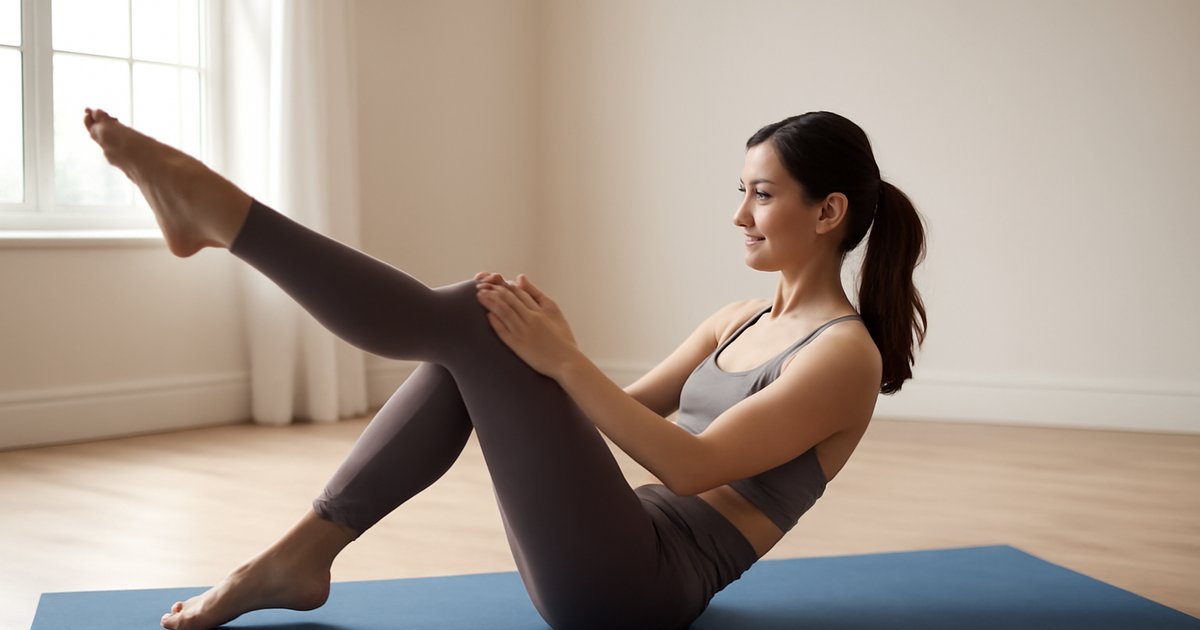
    • Start with mat Pilates: All you need is a yoga mat and 20-30 minutes. Focus on foundational exercises — the hundred, single-leg stretch, pelvic curl, and spine twist.
    • Frequency: 2-3 sessions per week is enough to feel a difference within 3-4 weeks. Consistency matters far more than duration at this stage.
    • Where to learn: Certified instructors are ideal, but quality online platforms (with credentialed instructors) work well. Look for teachers with a PMA (Pilates Method Alliance) certification.
    • Pair it with walking: If you want cardiovascular benefits alongside Pilates, combining it with regular walking is one of the most effective and joint-friendly strategies. Interval Training for Adults is also a great complement once you’ve built a solid foundation.

    Intermediate Level

    • Add props: Resistance rings (magic circles), small stability balls, and foam rollers add challenge without overloading joints.
    • Try the reformer: The spring-based resistance of the Pilates reformer allows for a broader range of exercises and more progressive loading. Many studios offer intro reformer classes.
    • Increase frequency to 4x per week and begin integrating series such as the side-lying series, swan prep, and leg pull front.

    Advanced Level

    • Full classical sequences, reformer + tower combinations, and instructor-guided progression into jump board, Cadillac, and chair work.
    • Complement Pilates with Dumbbell Training or Kettlebell Training for added strength stimulus.

    Common Mistakes That Sabotage Your Pilates Progress

    These are easy mistakes — and almost every beginner makes them. Knowing what to watch for can save you weeks of frustration.

    1. Rushing through the exercises
    Pilates is a precision practice. Moving quickly through reps to feel like you’re “doing more” completely undermines the neuromuscular engagement the method depends on. Slow, intentional movement with full breath control activates the deep stabilizers. Rushing activates the superficial ones. Fix it: do fewer reps with complete focus rather than more reps on autopilot.

    2. Holding your breath
    This is nearly universal among beginners. The Pilates breath pattern (inhale to prepare, exhale to initiate movement) is not just a detail — it’s directly tied to intra-abdominal pressure management and spinal protection. Fix it: practice breath timing separately before adding movement complexity.

    3. Skipping the beginner phase because it “feels too easy”
    Foundational exercises like pelvic tilts and chest lifts look deceptively simple. But they’re establishing the motor patterns everything else builds on. Adults who skip ahead often develop compensations — like overusing the hip flexors instead of the deep core — that become harder to undo later. Fix it: spend at least four full sessions on beginner material before progressing.

    4. Ignoring form cues around the neck and shoulders
    Many people crank their neck forward during abdominal work, leading to tension and strain. Fix it: imagine holding a peach between your chin and chest — enough space to keep the cervical spine neutral. If your neck fatigues before your abs, your deep core isn’t engaging properly.

    5. Treating Pilates as a standalone solution for all fitness goals
    Pilates is extraordinarily effective for what it’s designed for — core stability, posture, mobility, and neuromuscular control. It is not primarily a cardiovascular or maximum-strength training method. Results vary significantly depending on your starting point and goals. Fix it: understand what Pilates does best and combine it with other modalities accordingly.

    What to Eat to Support Your Pilates Practice

    Pilates doesn’t require a dramatic dietary overhaul, but what you eat directly affects your energy, recovery, and the quality of your muscle function during practice.

    The Academy of Nutrition and Dietetics recommends that active adults consume adequate protein to support muscle repair and neuromuscular adaptation — generally 1.2 to 1.6 grams per kilogram of body weight daily. For someone weighing 150 pounds (68 kg), that’s roughly 80-110 grams of protein per day.

    • Before practice: A light, easily digestible snack 60-90 minutes beforehand works well — Greek yogurt with berries, a banana with almond butter, or a small handful of nuts with whole-grain crackers.
    • After practice: Recovery-focused nutrition within 30-60 minutes. Lean protein (eggs, chicken, cottage cheese, tofu) paired with complex carbohydrates supports muscle repair without overeating.
    • Hydration: Even low-to-moderate intensity Pilates sessions generate heat and require fluid replacement. The USDA Dietary Guidelines suggest adults aim for approximately 2-3 liters of water daily, more with physical activity.
    • Anti-inflammatory foods: Fatty fish (salmon, sardines), olive oil, leafy greens, and berries support joint health and reduce inflammation — particularly relevant for adults managing existing musculoskeletal discomfort.
    • What to limit: High-sugar foods and processed snacks before practice can blunt mental focus and coordination — two things Pilates demands highly. This doesn’t mean eliminating them, just timing them away from your sessions.

    How Long Until You See Results — and What to Track

    One of the most honest answers in fitness: it depends on your baseline. But research does give us reasonable timelines.

    A study in the Journal of Bodywork and Movement Therapies found that adults practicing Pilates 3 times per week reported measurable improvements in posture awareness, core strength, and back pain within 4 to 6 weeks. Flexibility and balance improvements were noted even earlier — often within 2-3 weeks — because these rely heavily on neuromuscular learning, which adapts faster than structural muscle changes.

    What to track (without obsessing):

    • Posture check: Take a side-profile photo at weeks 1, 4, and 8. Look for changes in shoulder rounding and lumbar curve.
    • Movement quality: Can you perform exercises you couldn’t in week one? Are you breathing through them without effort?
    • Pain and tension levels: Many adults report reduced lower back tension and neck stiffness within 3-4 weeks.
    • Body awareness: This is subtle but real — you’ll start noticing how you sit, stand, and carry yourself in daily life.
    • Energy and mood: According to Harvard Health Publishing, mind-body practices like Pilates have been associated with reduced cortisol levels and improved subjective well-being.

    When to seek professional guidance: If you experience new or worsening pain during exercises, sharp joint discomfort, or dizziness, pause and consult a certified instructor or healthcare provider before continuing. This is especially important if you have a history of spinal injury, osteoporosis, or recent surgery.

    Frequently Asked Questions About Pilates for Adults

    Is Pilates better than yoga for core strength?
    They’re different tools with some overlap. Pilates is more systematically focused on core stability and postural alignment, while yoga integrates flexibility, breathwork, and mindfulness more broadly. Many adults benefit from both. If your primary goal is functional core strength and posture correction, Pilates offers a more targeted approach.

    Can Pilates help with lower back pain?
    For many adults, yes — but it’s not a one-size-fits-all solution. Multiple peer-reviewed studies, including the 2021 PLOS ONE review referenced earlier, support Pilates as an effective intervention for non-specific chronic lower back pain. However, results vary significantly based on the cause of pain. Always get medical clearance before starting Pilates if you have an existing spinal condition.

    Do I need equipment or a studio membership to do Pilates?
    Not to start. Mat Pilates requires nothing more than a firm surface and about 6 feet of space. A basic Pilates ring costs under $25 and adds meaningful resistance. Studio memberships and reformer access become valuable as you advance, but they’re not prerequisites for seeing real results.

    How is Pilates different from regular core workouts?
    Traditional core training often targets the outer abdominals through high-rep crunches or sit-ups. Pilates works the deep stabilizing muscles — particularly the transverse abdominis and multifidus — through controlled, breath-integrated movement. The result is a more functional, stable core rather than simply a more visible one.

    Is Pilates appropriate for older adults or those returning after injury?
    Yes — in fact, this is one of its strengths. The low-impact nature and emphasis on alignment make Pilates one of the most accessible fitness modalities for adults returning from injury or dealing with age-related movement limitations. Many physical therapists incorporate Pilates-based exercises into formal rehabilitation programs.

    Final Thoughts: Small Moves, Big Changes

    Pilates won’t promise you a six-pack in 30 days or guarantee dramatic weight loss. What it will do — if you show up consistently — is reconnect you with how your body actually moves, reduce the chronic tension that modern life piles on, and build a foundation of strength that makes every other physical activity feel better.

    Start with two sessions a week. Focus on breathing and precision over speed. Give it six weeks before you judge the results. Small, deliberate practices compound into real transformation — and Pilates is one of the most elegant examples of that principle in all of fitness.

    Your next step? Find one beginner mat routine today — 20 minutes is enough — and try it before you overthink it.


    Wellness Disclaimer: This article is for informational and educational purposes only. The content is not intended to replace professional medical, nutritional, or fitness advice. Always consult a qualified healthcare provider, registered dietitian, or certified fitness professional before starting a new health program or making significant changes to your lifestyle.

    Content reviewed by our wellness editorial team, with references to peer-reviewed research and guidelines from leading health organizations.
  • Yoga Benefits: Flexibility, Strength & Mental Clarity

    Yoga Benefits: Flexibility, Strength & Mental Clarity

    You don’t have to be flexible to start yoga — but after a few weeks, you might be surprised by how much your body and mind shift.

    Picture this: you’ve been sitting at a desk for eight hours, your lower back is tight, your shoulders are creeping toward your ears, and your brain feels like a browser with 47 tabs open. You’ve heard yoga might help, but you’re not sure if it’s just stretching for people who already live at the gym — or something that could actually work for you.

    Here’s the truth: yoga is one of the most well-researched, adaptable, and consistently underestimated fitness practices available to adults today. Whether you’re 28 or 58, sedentary or semi-active, dealing with stress or just looking for a smarter way to move, the science behind yoga benefits is hard to ignore.

    In this guide, you’ll learn exactly what yoga does to your body and brain, how to start without feeling lost, what mistakes to avoid, and what realistic results look like over time. No hype — just evidence-backed guidance you can actually use.

    Why Yoga Benefits Matter More Than You Think

    Most people think of yoga as a flexibility exercise. And while it absolutely improves range of motion, stopping there dramatically undersells what consistent practice can do for your health.

    According to the American College of Sports Medicine (ACSM), yoga qualifies as a mind-body physical activity that improves muscular strength, endurance, flexibility, balance, and cardiorespiratory function — depending on the style and intensity. That puts it in the same conversation as traditional workouts, not just as a warm-up or cool-down.

    Consider this: a review published in the Journal of Alternative and Complementary Medicine analyzed over 30 randomized controlled trials and found that regular yoga practice was associated with meaningful reductions in perceived stress, anxiety, and markers of inflammation. These aren’t minor quality-of-life improvements — chronic inflammation and unmanaged stress are linked to cardiovascular disease, metabolic dysfunction, and poor sleep.

    For adults between 25 and 60, this matters enormously. These are the years when work pressure peaks, physical activity tends to decline, and lifestyle-driven health risks begin to compound. Yoga meets you where you are — and the barrier to entry is remarkably low compared to other structured fitness modalities.

    Beyond the individual benefits, the National Institutes of Health (NIH) recognizes yoga as a complementary health approach with growing evidence for managing lower back pain, insomnia, hypertension, and anxiety disorders — all conditions that disproportionately affect working-age adults in the US.

    The Science Behind How Yoga Actually Works

    Yoga isn’t magic — but the mechanisms behind its benefits are genuinely fascinating once you understand them.

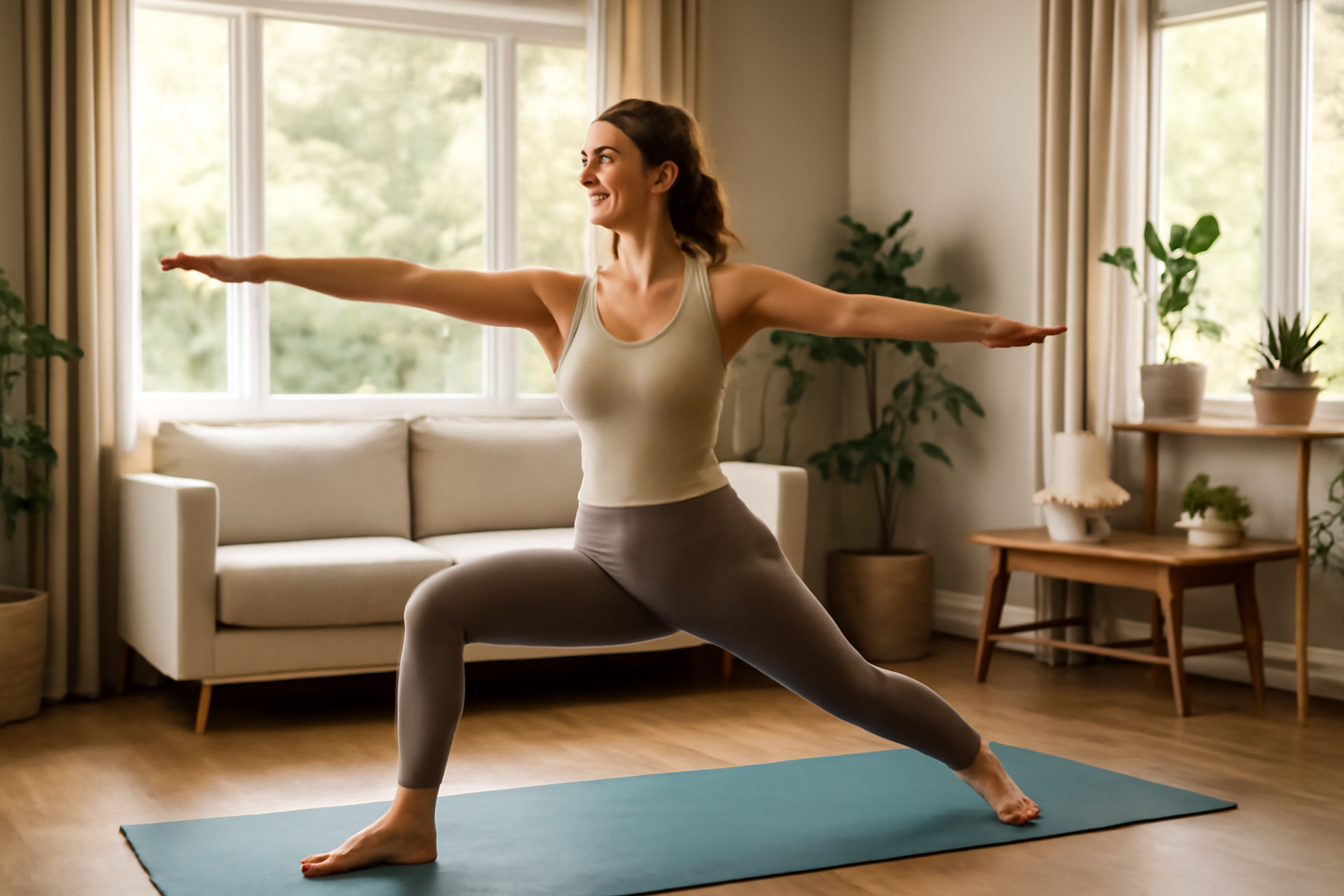
    At the muscular level, yoga builds strength through isometric and eccentric contractions. When you hold a Warrior II pose or a plank, you’re asking your muscles to generate force without significant joint movement — the same principle used in physical therapy and injury rehabilitation. Over time, this builds functional strength in stabilizer muscles that most gym workouts neglect.

    For flexibility, yoga works through a combination of static stretching, proprioceptive neuromuscular facilitation (PNF), and connective tissue adaptation. Research from Harvard Health Publishing notes that consistent stretching increases the extensibility of tendons and ligaments, improves joint lubrication, and reduces the stiffness associated with aging and sedentary behavior.

    The mental clarity piece is where yoga’s science gets especially compelling. Yoga activates the parasympathetic nervous system — the "rest and digest" branch — through slow, controlled breathing (pranayama) and focused movement. A landmark study published in JAMA Internal Medicine found that yoga interventions significantly improved sleep quality and reduced fatigue in adults with chronic insomnia, outperforming standard sleep hygiene education alone.

    One common myth worth busting: yoga is only for people who are already fit or naturally flexible. This is categorically false. Flexibility is an outcome of yoga practice, not a prerequisite. Many of yoga’s most clinically relevant benefits — stress reduction, balance, core stability — are accessible to complete beginners from the very first session.

    It’s also worth noting that not all yoga is the same. Restorative yoga is gentle and meditative. Vinyasa is dynamic and cardio-adjacent. Ashtanga is intense and structured. The style you choose will determine what benefits you experience most prominently — and that’s a good thing. Yoga is customizable in ways most fitness formats are not.

    How to Get Started with Yoga: Practical Steps for Every Level

    Getting started with yoga doesn’t require a studio membership, expensive leggings, or years of experience. Here’s how to begin — and how to progress intelligently.

    Beginner Entry Points:

    • Start with Hatha or Gentle Yoga: These styles move slowly, hold poses longer, and prioritize alignment over flow. They’re ideal for building a foundation without injury risk.
    • Practice 2-3 times per week for at least 20-30 minutes: Consistency matters more than duration at the beginning. Short, regular sessions beat occasional long ones.
    • Use a mat, a strap, and two blocks: These three props make almost every pose more accessible. You don’t need anything else to start effectively.
    • Follow a structured beginner series: Rather than random videos, work through a 30-day beginner program. This builds poses progressively and reduces the risk of jumping into movements your body isn’t ready for.

    Intermediate Options:

    • Transition into Vinyasa or Power Yoga for more cardiovascular and strength demands.
    • Begin exploring pranayama (breathwork) as a standalone practice — 5-10 minutes of focused breathing independently of asana (physical postures) has its own measurable stress-reduction effects.
    • Add Yin Yoga once or twice a week as a complement — it targets deep connective tissue and is excellent for recovery after strength training. If you’re already lifting weights, check out our Strength Training for Beginners: Your Complete Starter Guide for ideas on how to structure your week.

    Advanced Considerations:

    • Explore Ashtanga or Bikram (hot yoga) for increased intensity — but note that these styles carry higher injury risk if rushed.
    • Work with a certified yoga instructor (look for RYT-200 or RYT-500 credentials from Yoga Alliance) to refine alignment and deepen your practice safely.

    Common Mistakes That Sabotage Your Yoga Progress

    Yoga has a gentle reputation, which sometimes makes people careless about how they approach it. These are the most common errors — and none of them are hard to fix once you know what to look for.

    1. Forcing flexibility before your body is ready.
    This is the number one cause of yoga-related injuries, particularly in the hamstrings, lower back, and shoulders. Yoga is not a competition with the person on the mat next to you. Overstretching tight tissues — especially cold — creates microtears that become chronic pain over time. Fix it: warm up for 5 minutes before any session, use props liberally, and let your range of motion increase naturally over weeks and months.

    2. Holding your breath.
    Breath is the foundation of yoga — not an afterthought. When poses get difficult, most beginners unconsciously hold their breath, which activates the stress response and defeats much of yoga’s neurological benefit. Fix it: if you can’t breathe smoothly in a pose, it means you’ve gone too deep. Back off 10-20% until breathing is easy again.

    3. Skipping Savasana (final relaxation).
    The last 5-10 minutes of most yoga classes involve lying still in Savasana. Many busy adults skip it. Research from the American Psychological Association (APA) suggests that deliberate, guided relaxation practices like Savasana are where much of yoga’s cortisol-lowering effect is consolidated. Skipping it is like leaving the gym before your muscles have time to cool down properly.

    4. Expecting immediate results.
    Some people try yoga for two weeks, feel only mild changes, and give up. Structural flexibility adaptation takes 6-8 weeks of consistent practice before becoming clearly noticeable, according to research in the Journal of Strength and Conditioning Research. Mental benefits often appear sooner — but physical transformation is a longer game. Fix it: track your progress with specific benchmarks rather than general feelings.

    5. Treating yoga as a replacement for all exercise.
    Yoga is powerful — but it doesn’t replace every fitness need for every person. If your goal includes significant cardiovascular conditioning or bone density maintenance, yoga alone may not be sufficient. It works best as part of a varied movement routine. Consider pairing it with walking or another cardio modality — see our Walking for Weight Loss: The Science-Backed Guide for easy pairings that complement a yoga routine.

    What to Eat and Drink Around Your Yoga Practice

    Nutrition and hydration directly affect how your yoga sessions feel — and how well your body recovers from them. While yoga isn’t as metabolically demanding as high-intensity training, there are clear guidelines that support better performance and recovery.

    Before practice: The Academy of Nutrition and Dietetics recommends eating a light meal or snack 1.5 to 2 hours before moderate physical activity. For yoga, this means easily digestible carbohydrates with a small amount of protein — think a banana with almond butter or a small bowl of oatmeal. Avoid large, high-fat meals within 2 hours; inversions and core work on a full stomach are deeply uncomfortable.

    Hydration: Even in non-hot yoga, you lose fluids through breath and sweat. Drink 16-20 oz of water 1-2 hours before practice, and sip as needed during and after. For hot yoga (Bikram or heated Vinyasa), electrolyte replacement becomes more important — a small amount of sodium, potassium, and magnesium supports muscle function and reduces cramping.

    After practice: Post-yoga recovery nutrition follows general exercise principles. Within 30-60 minutes of practice, a combination of protein (15-25g) and carbohydrates supports muscle repair and glycogen replenishment. Greek yogurt with fruit, a smoothie with protein powder, or eggs with toast are practical options that align with USDA Dietary Guidelines.

    Anti-inflammatory eating: Because yoga is often used to manage chronic pain and inflammation, pairing your practice with an anti-inflammatory dietary pattern amplifies the results. This means emphasizing fatty fish, leafy greens, berries, olive oil, and whole grains — and minimizing processed foods, refined sugar, and excessive alcohol.

    How Long Until You See Results — and What to Track

    Setting realistic expectations is one of the most important things you can do to stay consistent with yoga long enough for it to actually work.

    Week 1-2: Most beginners report improved sleep quality and a noticeable reduction in daily tension — particularly in the neck and shoulders. This reflects yoga’s immediate effect on the nervous system, not structural physical change.

    Week 3-6: Flexibility improvements become measurable. You’ll notice poses that were inaccessible becoming reachable, and movements that felt awkward becoming more natural. Balance and core stability typically improve in this window as well.

    Week 6-12: Postural improvements become visible. Lower back pain, if present, often decreases significantly in this timeframe. A study published in the Annals of Internal Medicine found that yoga was as effective as physical therapy for reducing chronic lower back pain in adults — with improvements becoming clinically meaningful at the 12-week mark.

    Month 3 and beyond: Cumulative benefits compound. Body composition shifts (particularly reduced inflammation and water retention), measurable strength increases in stabilizer muscles, and sustained mood improvements are common reports among practitioners at this stage. Results vary significantly based on frequency, style of yoga, individual health baseline, and lifestyle factors.

    What to track:

    • Flexibility benchmarks: Can you touch your toes? How far can you forward fold?
    • Balance: How long can you hold Tree Pose on each side without wobbling?
    • Sleep quality: Subjective rating or a wearable device
    • Resting heart rate: A proxy for stress and cardiovascular adaptation
    • Mood and stress levels: A simple 1-10 daily rating is surprisingly useful over time

    When to seek professional guidance: If you experience sharp joint pain (not mild discomfort), numbness, or tingling during practice, stop and consult a physical therapist or your primary care provider. Yoga is generally safe — but individual anatomy varies, and some modifications require professional assessment.

    Frequently Asked Questions About Yoga Benefits

    Can yoga help with weight management?
    Yoga alone is unlikely to produce significant weight loss in the absence of dietary changes, as most styles burn fewer calories than cardio-dominant exercise. However, research from the NIH suggests that mind-body practices like yoga reduce stress-driven eating behaviors and improve body awareness — both of which support healthier weight management over time. More vigorous styles like Power Yoga or Vinyasa do provide meaningful caloric expenditure. Pairing yoga with cardio and strength work creates a more complete approach — you can explore HIIT vs. Steady-State Cardio: Which One Is Right for You? for complementary options.

    How is yoga different from stretching?
    Stretching primarily targets muscle length. Yoga integrates breath, balance, muscular engagement, body awareness, and mental focus into a unified practice. The neurological and psychological benefits of yoga are not replicated by static stretching alone. Think of stretching as one component of what yoga does — not an equivalent.

    Is yoga safe if I have lower back pain?
    For most adults with non-specific lower back pain, yoga is not only safe but often therapeutic, as validated by the American College of Sports Medicine and multiple clinical trials. However, certain poses — deep twists, unsupported forward bends, or full backbends — may aggravate specific conditions. Always inform your instructor of any pain history, and consider starting with a physical therapist-guided yoga program if your pain is acute or severe.

    How many days per week should I practice yoga?
    Most research on yoga benefits uses protocols of 2-5 sessions per week, with sessions ranging from 20 to 90 minutes. For general wellness, 3 sessions per week of 30-45 minutes is a sustainable and evidence-supported starting point. Consistency over months matters far more than session frequency in any single week.

    Do I need a teacher, or can I learn from videos?
    Videos are a genuinely effective starting point and have made yoga far more accessible. The limitation is feedback — a teacher can spot alignment errors that increase injury risk and that you simply can’t see yourself. If possible, attend at least a few in-person or live-online sessions early in your practice to establish correct form before going fully independent.

    Start Small, Stay Consistent, Transform Gradually

    Yoga doesn’t demand perfection. It doesn’t require a specific body type, a certain fitness level, or a particular amount of free time. What it does require is showing up — regularly, with a willingness to breathe through discomfort and trust the process.

    The evidence is clear: consistent yoga practice builds flexibility, functional strength, better balance, and measurable mental resilience. These aren’t minor perks — they’re the foundations of long-term health and quality of life as you age.

    Your next step doesn’t have to be a 60-minute class. Roll out a mat for 15 minutes tonight. Try five basic poses. Breathe slowly. That’s it — that’s how it starts. And for most people, that simple beginning is what changes everything.


    Wellness Disclaimer: This article is for informational and educational purposes only. The content is not intended to replace professional medical, nutritional, or fitness advice. Always consult a qualified healthcare provider, registered dietitian, or certified fitness professional before starting a new health program or making significant changes to your lifestyle.

    Content reviewed by our wellness editorial team, with references to peer-reviewed research and guidelines from leading health organizations.