Tag: posture improvement

  • Barre Workout for Adults: Tone, Strength & Flexibility

    Barre Workout for Adults: Tone, Strength & Flexibility

    You don’t need a ballet background — or even good coordination — to get a seriously effective workout from barre.

    Picture this: you’re standing at a sturdy chair, doing tiny pulsing movements with your thighs burning like you just ran a mile — and you haven’t moved more than an inch. That’s the paradox of barre workouts, and it’s exactly why millions of adults have added this low-impact, high-intensity method to their fitness routine.

    Barre training has evolved far beyond its dance-studio roots. Today, it’s one of the most accessible and effective ways for adults to build muscular endurance, improve posture, and develop the kind of functional strength that makes everyday life easier. Whether you’re completely new to structured exercise or looking to complement your existing routine, barre offers something genuinely different — and the science backs it up.

    In this guide, you’ll learn what barre workouts actually do to your body, how to start safely, the most common mistakes beginners make, and what realistic results look like over time. No tutus required.

    Why Barre Workouts Matter More Than You Think

    Most people assume barre is just a trendy fitness class for dancers. In reality, it’s a discipline rooted in rehabilitation science, ballet technique, and resistance training — a combination that produces measurable results for adults at nearly every fitness level.

    What makes barre particularly valuable is its emphasis on isometric contractions and small-range-of-motion movements. Rather than large, dynamic lifts, barre targets muscles through sustained holds and micro-pulses that keep fibers under tension far longer than typical reps. This prolonged time under tension is a key driver of muscular endurance and hypertrophy, according to research published in the Journal of Strength and Conditioning Research.

    According to the American College of Sports Medicine (ACSM), adults should engage in muscle-strengthening activities at least two days per week. Barre qualifies — and because it’s low-impact and joint-friendly, it’s especially relevant for the 54 million Americans dealing with some form of arthritis or joint discomfort, per the CDC.

    Beyond strength, barre builds something that most gym programs overlook: body awareness. The controlled, precise movements train your nervous system to engage the right muscles at the right time — a quality that directly reduces injury risk in daily life, whether you’re carrying groceries or climbing stairs.

    The Science Behind How Barre Actually Works

    Here’s the most common misconception about barre: because the movements are small and there’s no heavy lifting, people assume it’s not a "real" workout. That’s simply not true — and the physiology explains why.

    Barre’s signature technique — the isometric hold followed by rapid micro-pulses — creates a sustained recruitment of slow-twitch and fast-twitch muscle fibers simultaneously. A 2021 study published in the International Journal of Exercise Science found that isometric training at moderate intensities produced significant gains in muscular endurance and functional strength in adults aged 30–60, comparable to traditional resistance training protocols.

    The "shake" you feel during a barre hold isn’t weakness — it’s your muscle fibers reaching fatigue and recruiting deeper motor units to compensate. That’s exactly the mechanism that drives strength and endurance adaptations over time.

    Barre also has a meaningful cardiovascular component. A study from the Journal of Dance Medicine and Science found that a 60-minute barre class elevated participants’ heart rates to 55–75% of maximum heart rate — well within the aerobic training zone recommended by the American Heart Association for cardiovascular health.

    The myth to bust: Barre will make women "bulky." Because barre uses bodyweight and light resistance at high repetitions, it builds lean muscular endurance — not large muscle mass. The hormonal and mechanical conditions that drive significant hypertrophy simply aren’t present in a standard barre session.

    How to Get Started with Barre Training

    One of barre’s biggest advantages is how accessible it is from day one. You don’t need special equipment, a dance background, or even a class — though all of those can help.

    What you’ll need to begin:

    • A sturdy chair, countertop, or wall to use as your "barre"
    • Non-slip socks or bare feet on a yoga mat
    • Comfortable, form-fitting clothing so you can see your alignment
    • Optional: light resistance bands or 2–5 lb dumbbells for upper body work

    Beginner Level — Weeks 1–3:

    1. Start with 2 sessions per week. Give your muscles — especially your hips, inner thighs, and core — time to adapt. Delayed onset muscle soreness (DOMS) from barre can be surprisingly intense for new practitioners.
    2. Focus on alignment first. A neutral spine, engaged core, and level hips are the foundation of every barre exercise. Form matters far more than depth or range of motion.
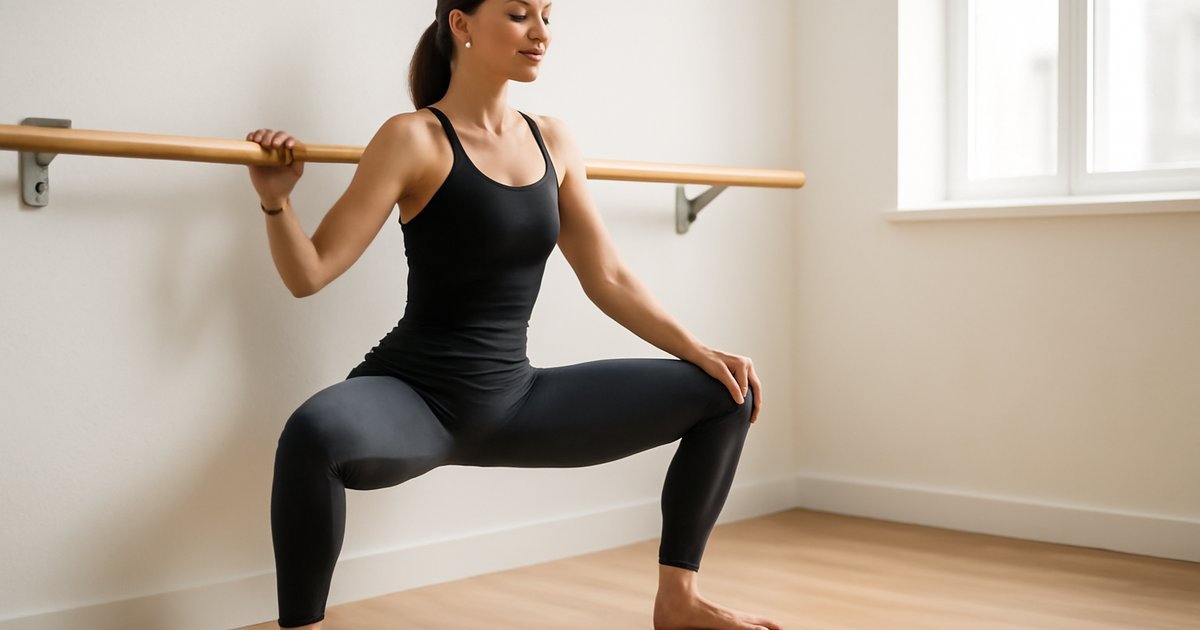
    3. Try a beginner-friendly 20-minute routine. Key movements: parallel and turnout plié squats, relevé holds, glute bridges, and tabletop leg lifts. Hold each position for 30–45 seconds before pulsing.
    4. Use a mirror if possible. Barre is highly technique-dependent. Visual feedback helps you catch misalignments early.

    Intermediate Level — Weeks 4–8:

    1. Increase sessions to 3–4 per week and extend class duration to 45–60 minutes.
    2. Introduce arabesque holds, passé balance work, and single-leg variations to build stability and challenge your core more deeply.
    3. Add a resistance band around your thighs during glute and hip work to increase intensity without adding impact.

    Advanced Options: Incorporate elevated barre work (on demi-pointe), increased time under tension (60+ second holds), and flowing sequences that elevate heart rate. Consider classes that blend barre with Pilates or HIIT for greater metabolic demand. If you’re looking for complementary low-impact training, Pilates for Adults pairs particularly well with barre programming.

    Common Mistakes That Sabotage Your Barre Results

    Barre looks deceptively simple — and that’s exactly what makes it easy to do wrong. These mistakes are incredibly common, even among people who’ve been practicing for months.

    1. Gripping the barre too tightly.
    The chair or barre is there for light balance support — not to bear your weight. When you grip it hard, you shift load away from your legs and core, reducing the exercise’s effectiveness by a significant margin. Fix it: rest just two or three fingers on the surface, as if you’re lightly touching a banister.

    2. Letting the lower back arch during seat work.
    During glute exercises like arabesque lifts or hydrant pulses, many people arch the lumbar spine to get more range of motion. This strains the lower back and disengages the glutes entirely. Fix it: actively tuck your pelvis slightly and maintain a "long spine" throughout. Smaller range with better form will always produce better results.

    3. Not engaging the core consistently.
    Barre is fundamentally a core workout disguised as a lower body workout. If your abdominals aren’t actively braced throughout every movement, you’re missing half the training stimulus. Fix it: before each exercise, take a breath in, exhale, and draw your navel gently toward your spine. Maintain that engagement throughout.

    4. Rushing through the pulses.
    The micro-pulse is barre’s defining technique, and it only works when done slowly and with control. Fast, sloppy pulses use momentum instead of muscle. Fix it: think "one inch up, one inch down" with complete muscular control on both the up and down phase.

    5. Skipping the stretching segment.
    Barre classes always end with targeted stretching — and it’s not optional filler. The muscles you’ve worked through sustained contractions need lengthening to recover properly and maintain flexibility. According to the American College of Sports Medicine, post-exercise stretching held for 15–30 seconds significantly improves flexibility over time. Don’t leave early. If mobility is a priority for you, pairing barre with a dedicated foam rolling recovery routine can further accelerate your progress.

    What to Eat to Support Your Barre Training

    Barre is a muscular endurance workout, which means your nutritional focus should support muscle recovery and sustained energy — not extreme caloric restriction.

    Protein: The Academy of Nutrition and Dietetics recommends 1.2–1.7 grams of protein per kilogram of body weight for adults engaged in regular resistance training. For a 150 lb adult, that’s approximately 82–116 grams per day. Good sources: Greek yogurt, eggs, chicken breast, lentils, cottage cheese, and edamame.

    Pre-workout fuel (1–2 hours before): A small meal combining complex carbohydrates and protein supports performance during sustained isometric work. Examples: a banana with almond butter, oatmeal with berries, or whole-grain toast with cottage cheese.

    Post-workout recovery (within 45 minutes): Pair fast-digesting carbohydrates with protein to replenish glycogen and support muscle repair. A fruit-and-protein smoothie, Greek yogurt with fruit, or a rice cake with turkey and avocado all work well.

    Hydration: Even though barre isn’t high-sweat like a spin class, you’re still losing fluid through sustained muscular effort. The National Academies recommends approximately 2.7 liters (91 oz) of total water daily for women and 3.7 liters (125 oz) for men — more if you’re active.

    What to avoid: Heavy meals within 60 minutes of class — they can cause discomfort during core and abdominal work. Also minimize refined sugar before sessions, as blood sugar spikes followed by crashes will undermine endurance during long isometric holds.

    How Long Until You See Results — and What to Track

    This is where honesty matters most, because barre results are real — but they don’t show up the way many people expect.

    Weeks 1–2: You’ll likely feel increased muscular soreness, especially in your inner thighs, glutes, and postural muscles. This is normal and a sign that you’re activating underused muscle groups. Don’t expect visible changes yet.

    Weeks 3–6: Most practitioners report noticeable improvements in posture, core stability, and balance. Harvard Health Publishing notes that muscular endurance improvements are often felt before they’re visible — you’ll notice you can hold positions longer and with less shaking.

    Weeks 6–12: With consistent 3–4 sessions per week, you can expect visible muscle tone, particularly in the glutes, thighs, and arms. Body composition changes are modest compared to higher-intensity training, but postural transformation can be significant and lasting.

    What to track:

    • How long you can hold a barre position before form breaks down
    • Posture improvements (photograph your side profile monthly)
    • Balance — can you hold a single-leg relevé for 15, 30, then 45 seconds?
    • Energy levels and how you feel during daily activities
    • Range of motion in hips, hamstrings, and shoulders

    When to reassess: If after 8 weeks of consistent training you feel no improvement in strength or endurance, consider increasing session frequency, adding resistance bands, or consulting a certified fitness professional to review your form. Results vary significantly depending on your baseline fitness, nutrition, and recovery quality. For a different kind of low-impact challenge that complements barre well, consider exploring Balance Training for Adults.

    Frequently Asked Questions About Barre Workouts

    Is barre good for weight loss?
    Barre can contribute to a healthy weight management strategy, but it’s not primarily a calorie-burning workout. A 60-minute class burns approximately 300–400 calories on average, according to estimates from the American Council on Exercise. Its bigger contribution to body composition is building lean muscle mass, which supports a healthier metabolic rate over time. Pair barre with cardio training and a balanced diet for weight loss goals.

    Can men benefit from barre training?
    Absolutely. Barre addresses flexibility deficits, hip mobility, and postural imbalances that are extremely common in men — particularly those who do heavy lifting or sit for long periods. The hip flexor, inner thigh, and spinal stabilizer work in barre directly addresses weak points in most male athletic profiles. The only barrier is perception, not physiology.

    How is barre different from Pilates?
    Both disciplines emphasize core stability, controlled movement, and postural alignment — but their methods differ. Pilates uses specialized equipment (or a mat) and focuses heavily on spinal mobility and deep core engagement. Barre uses a vertical support structure, incorporates more standing lower-body work, and often includes a more significant cardiovascular element. Many adults find them highly complementary.

    Is barre safe if I have knee or hip issues?
    For many people with mild joint discomfort, barre’s low-impact nature makes it a safer option than high-intensity training. However, some movements — like deep plié squats or wide turnout positions — can stress vulnerable joints if done incorrectly. Always consult your physician or physical therapist before starting if you have a diagnosed condition, and work with a certified instructor who can modify exercises appropriately.

    Do I need to take classes, or can I practice barre at home?
    Both work. Online platforms and apps offer guided barre classes that are very effective for home practice. That said, in-person instruction is valuable early on because form feedback is difficult to self-correct. If you start at home, use a mirror and record yourself occasionally to check alignment.

    Start Small, Stay Consistent, See Real Change

    Barre isn’t a fitness trend — it’s a time-tested method that builds the kind of strength, stability, and body control that makes you feel better in your everyday life. The "burn" is real, the results are real, and the barrier to entry is remarkably low.

    You don’t need to be flexible, coordinated, or in peak shape to begin. You just need a chair, a small patch of floor, and the willingness to show up consistently. Two sessions this week is a better starting point than waiting for the perfect moment.

    Start with one 20-minute beginner routine today. Notice how your body feels afterward. That’s your data point — and your first step toward something genuinely sustainable.


    This article is for informational and educational purposes only. The content is not intended to replace professional medical, nutritional, or fitness advice. Always consult a qualified healthcare provider, registered dietitian, or certified fitness professional before starting a new health program or making significant changes to your lifestyle.

    Content reviewed by our wellness editorial team, with references to peer-reviewed research and guidelines from leading health organizations.
  • Pilates for Adults: Core Strength, Posture & Control

    Pilates for Adults: Core Strength, Posture & Control

    You don’t have to be a dancer or spend hours on the mat to transform how your body moves — Pilates might be the most underrated fitness method for busy adults who want real, lasting results.

    Why Pilates Matters More Than You Think

    Here’s a number that might surprise you: according to research published in the Journal of Orthopedic & Sports Physical Therapy, adults who practiced Pilates consistently for eight weeks showed significant improvements in core endurance, spinal alignment, and functional movement — without a single heavy weight lifted.

    And yet, Pilates is still largely dismissed by the fitness community as “something for yoga people” or “a light workout that doesn’t really count.” That couldn’t be further from the truth.

    If you’ve been sitting at a desk for years, dealing with nagging lower back tension, or just feeling like your body has lost its coordination and strength, Pilates for adults offers one of the most targeted paths back to physical confidence. Unlike high-impact training, it works from the inside out — building the deep stabilizing muscles that most gym workouts completely ignore.

    In this guide, you’ll learn exactly how Pilates works, why it’s worth your time no matter your fitness level, and how to get started in a way that actually sticks.

    Why Pilates Matters More Than You Think

    Most adults focus on the muscles they can see — chest, arms, glutes. But the muscles that hold your body together, protect your spine, and keep you pain-free are the ones you can barely feel during a standard workout.

    Pilates specifically targets the deep core musculature: the transverse abdominis, multifidus, pelvic floor, and diaphragm. Together, these form what movement specialists call the “inner unit” — the foundation of every movement your body makes.

    A 2021 systematic review published in PLOS ONE analyzed 24 randomized controlled trials and found that Pilates significantly reduced chronic lower back pain and improved functional disability in adults compared to minimal or no intervention. The American College of Sports Medicine (ACSM) also recognizes Pilates as an evidence-supported method for improving muscular endurance, posture, and flexibility.

    What makes this especially relevant to everyday life: poor posture, weak core stability, and limited body awareness are directly linked to higher injury risk, chronic fatigue, and reduced quality of movement as you age. Pilates addresses all three simultaneously — which is exactly why physical therapists so often use it in rehabilitation settings.

    The Science Behind How Pilates Actually Works

    Pilates was originally developed by Joseph Pilates in the early 20th century as a rehabilitation method for injured dancers and soldiers. The method is built on six core principles: concentration, control, centering, precision, breath, and flow. Each exercise is designed to be performed with intentional alignment — not just movement for movement’s sake.

    Here’s the key difference from most training modalities: Pilates emphasizes neuromuscular control, meaning the nervous system’s ability to recruit the right muscles at the right time. This is not just about strength — it’s about coordination, timing, and efficiency.

    Common myth to bust: Many people assume Pilates is only for flexibility or that it’s too easy to build real strength. In reality, advanced Pilates movements — such as the teaser, single-leg circles on the reformer, or long-stretch series — require significant strength, stability, and motor control. Even mat-based Pilates at the intermediate level has been shown in a study from the Journal of Sports Science & Medicine to activate the rectus abdominis and obliques comparably to traditional abdominal exercises, while placing far less stress on the lumbar spine.

    For adults over 40, this distinction matters enormously. You can build functional strength without accumulating the joint stress that comes from loading a weak or misaligned frame with heavy weights.

    How to Get Started With Pilates: Practical Steps

    Starting Pilates doesn’t require expensive equipment or studio memberships — though both can deepen the experience. Here’s a realistic entry path depending on where you are now:

    Beginner Level

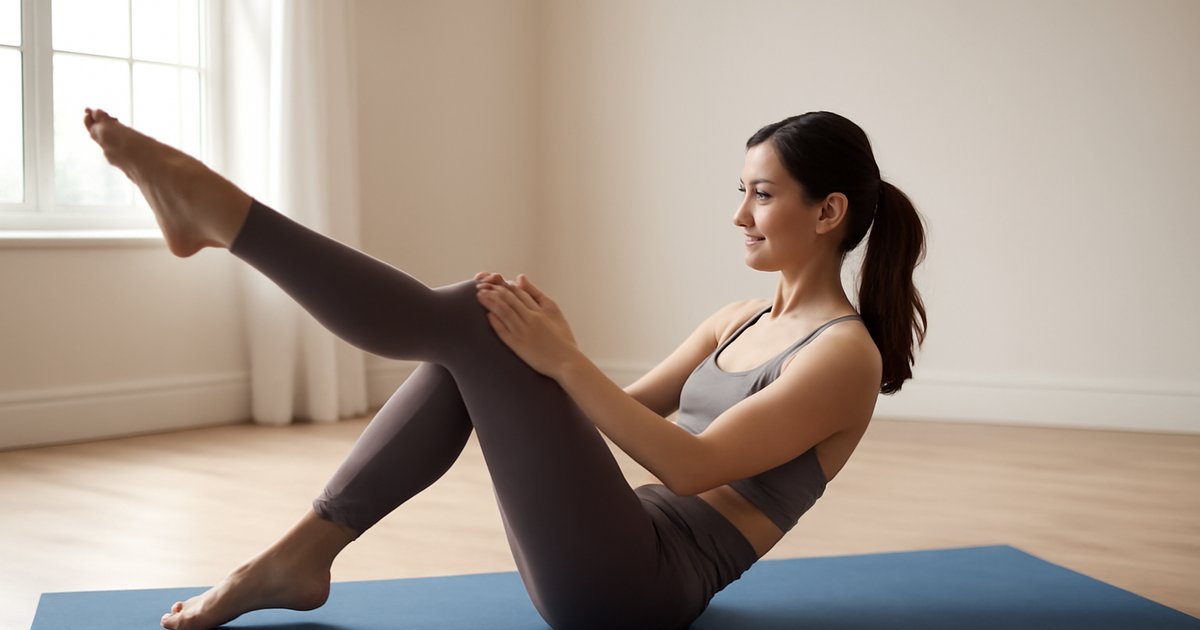
    • Start with mat Pilates: All you need is a yoga mat and 20-30 minutes. Focus on foundational exercises — the hundred, single-leg stretch, pelvic curl, and spine twist.
    • Frequency: 2-3 sessions per week is enough to feel a difference within 3-4 weeks. Consistency matters far more than duration at this stage.
    • Where to learn: Certified instructors are ideal, but quality online platforms (with credentialed instructors) work well. Look for teachers with a PMA (Pilates Method Alliance) certification.
    • Pair it with walking: If you want cardiovascular benefits alongside Pilates, combining it with regular walking is one of the most effective and joint-friendly strategies. Interval Training for Adults is also a great complement once you’ve built a solid foundation.

    Intermediate Level

    • Add props: Resistance rings (magic circles), small stability balls, and foam rollers add challenge without overloading joints.
    • Try the reformer: The spring-based resistance of the Pilates reformer allows for a broader range of exercises and more progressive loading. Many studios offer intro reformer classes.
    • Increase frequency to 4x per week and begin integrating series such as the side-lying series, swan prep, and leg pull front.

    Advanced Level

    • Full classical sequences, reformer + tower combinations, and instructor-guided progression into jump board, Cadillac, and chair work.
    • Complement Pilates with Dumbbell Training or Kettlebell Training for added strength stimulus.

    Common Mistakes That Sabotage Your Pilates Progress

    These are easy mistakes — and almost every beginner makes them. Knowing what to watch for can save you weeks of frustration.

    1. Rushing through the exercises
    Pilates is a precision practice. Moving quickly through reps to feel like you’re “doing more” completely undermines the neuromuscular engagement the method depends on. Slow, intentional movement with full breath control activates the deep stabilizers. Rushing activates the superficial ones. Fix it: do fewer reps with complete focus rather than more reps on autopilot.

    2. Holding your breath
    This is nearly universal among beginners. The Pilates breath pattern (inhale to prepare, exhale to initiate movement) is not just a detail — it’s directly tied to intra-abdominal pressure management and spinal protection. Fix it: practice breath timing separately before adding movement complexity.

    3. Skipping the beginner phase because it “feels too easy”
    Foundational exercises like pelvic tilts and chest lifts look deceptively simple. But they’re establishing the motor patterns everything else builds on. Adults who skip ahead often develop compensations — like overusing the hip flexors instead of the deep core — that become harder to undo later. Fix it: spend at least four full sessions on beginner material before progressing.

    4. Ignoring form cues around the neck and shoulders
    Many people crank their neck forward during abdominal work, leading to tension and strain. Fix it: imagine holding a peach between your chin and chest — enough space to keep the cervical spine neutral. If your neck fatigues before your abs, your deep core isn’t engaging properly.

    5. Treating Pilates as a standalone solution for all fitness goals
    Pilates is extraordinarily effective for what it’s designed for — core stability, posture, mobility, and neuromuscular control. It is not primarily a cardiovascular or maximum-strength training method. Results vary significantly depending on your starting point and goals. Fix it: understand what Pilates does best and combine it with other modalities accordingly.

    What to Eat to Support Your Pilates Practice

    Pilates doesn’t require a dramatic dietary overhaul, but what you eat directly affects your energy, recovery, and the quality of your muscle function during practice.

    The Academy of Nutrition and Dietetics recommends that active adults consume adequate protein to support muscle repair and neuromuscular adaptation — generally 1.2 to 1.6 grams per kilogram of body weight daily. For someone weighing 150 pounds (68 kg), that’s roughly 80-110 grams of protein per day.

    • Before practice: A light, easily digestible snack 60-90 minutes beforehand works well — Greek yogurt with berries, a banana with almond butter, or a small handful of nuts with whole-grain crackers.
    • After practice: Recovery-focused nutrition within 30-60 minutes. Lean protein (eggs, chicken, cottage cheese, tofu) paired with complex carbohydrates supports muscle repair without overeating.
    • Hydration: Even low-to-moderate intensity Pilates sessions generate heat and require fluid replacement. The USDA Dietary Guidelines suggest adults aim for approximately 2-3 liters of water daily, more with physical activity.
    • Anti-inflammatory foods: Fatty fish (salmon, sardines), olive oil, leafy greens, and berries support joint health and reduce inflammation — particularly relevant for adults managing existing musculoskeletal discomfort.
    • What to limit: High-sugar foods and processed snacks before practice can blunt mental focus and coordination — two things Pilates demands highly. This doesn’t mean eliminating them, just timing them away from your sessions.

    How Long Until You See Results — and What to Track

    One of the most honest answers in fitness: it depends on your baseline. But research does give us reasonable timelines.

    A study in the Journal of Bodywork and Movement Therapies found that adults practicing Pilates 3 times per week reported measurable improvements in posture awareness, core strength, and back pain within 4 to 6 weeks. Flexibility and balance improvements were noted even earlier — often within 2-3 weeks — because these rely heavily on neuromuscular learning, which adapts faster than structural muscle changes.

    What to track (without obsessing):

    • Posture check: Take a side-profile photo at weeks 1, 4, and 8. Look for changes in shoulder rounding and lumbar curve.
    • Movement quality: Can you perform exercises you couldn’t in week one? Are you breathing through them without effort?
    • Pain and tension levels: Many adults report reduced lower back tension and neck stiffness within 3-4 weeks.
    • Body awareness: This is subtle but real — you’ll start noticing how you sit, stand, and carry yourself in daily life.
    • Energy and mood: According to Harvard Health Publishing, mind-body practices like Pilates have been associated with reduced cortisol levels and improved subjective well-being.

    When to seek professional guidance: If you experience new or worsening pain during exercises, sharp joint discomfort, or dizziness, pause and consult a certified instructor or healthcare provider before continuing. This is especially important if you have a history of spinal injury, osteoporosis, or recent surgery.

    Frequently Asked Questions About Pilates for Adults

    Is Pilates better than yoga for core strength?
    They’re different tools with some overlap. Pilates is more systematically focused on core stability and postural alignment, while yoga integrates flexibility, breathwork, and mindfulness more broadly. Many adults benefit from both. If your primary goal is functional core strength and posture correction, Pilates offers a more targeted approach.

    Can Pilates help with lower back pain?
    For many adults, yes — but it’s not a one-size-fits-all solution. Multiple peer-reviewed studies, including the 2021 PLOS ONE review referenced earlier, support Pilates as an effective intervention for non-specific chronic lower back pain. However, results vary significantly based on the cause of pain. Always get medical clearance before starting Pilates if you have an existing spinal condition.

    Do I need equipment or a studio membership to do Pilates?
    Not to start. Mat Pilates requires nothing more than a firm surface and about 6 feet of space. A basic Pilates ring costs under $25 and adds meaningful resistance. Studio memberships and reformer access become valuable as you advance, but they’re not prerequisites for seeing real results.

    How is Pilates different from regular core workouts?
    Traditional core training often targets the outer abdominals through high-rep crunches or sit-ups. Pilates works the deep stabilizing muscles — particularly the transverse abdominis and multifidus — through controlled, breath-integrated movement. The result is a more functional, stable core rather than simply a more visible one.

    Is Pilates appropriate for older adults or those returning after injury?
    Yes — in fact, this is one of its strengths. The low-impact nature and emphasis on alignment make Pilates one of the most accessible fitness modalities for adults returning from injury or dealing with age-related movement limitations. Many physical therapists incorporate Pilates-based exercises into formal rehabilitation programs.

    Final Thoughts: Small Moves, Big Changes

    Pilates won’t promise you a six-pack in 30 days or guarantee dramatic weight loss. What it will do — if you show up consistently — is reconnect you with how your body actually moves, reduce the chronic tension that modern life piles on, and build a foundation of strength that makes every other physical activity feel better.

    Start with two sessions a week. Focus on breathing and precision over speed. Give it six weeks before you judge the results. Small, deliberate practices compound into real transformation — and Pilates is one of the most elegant examples of that principle in all of fitness.

    Your next step? Find one beginner mat routine today — 20 minutes is enough — and try it before you overthink it.


    Wellness Disclaimer: This article is for informational and educational purposes only. The content is not intended to replace professional medical, nutritional, or fitness advice. Always consult a qualified healthcare provider, registered dietitian, or certified fitness professional before starting a new health program or making significant changes to your lifestyle.

    Content reviewed by our wellness editorial team, with references to peer-reviewed research and guidelines from leading health organizations.

  • Build a Strong Core: Beyond Just Abs

    Build a Strong Core: Beyond Just Abs

    Ever felt a twinge in your lower back after a long day at your desk? Or maybe you’ve struggled to maintain balance during everyday tasks, like carrying groceries or playing with your kids? You’re not alone. Many adults underestimate the foundational role their core plays in virtually every movement and daily function.

    It’s easy to think of a strong core as something only athletes or fitness models need, or that it simply means having a visible “six-pack.” The truth is, your core is so much more than just your abdominal muscles, and its strength is vital for preventing injury, improving posture, and enhancing your quality of life, regardless of your fitness level.

    In this guide, we’ll dive deep into what a truly strong core means, why it’s critical for your overall well-being, and how you can build functional core strength without spending hours doing crunches. You’ll learn the science-backed methods, common pitfalls to avoid, and practical steps to integrate effective core training into your routine, empowering you to move better and feel stronger every day.

    Why Core Strength Matters More Than You Think

    When we talk about the core, most people immediately picture the rectus abdominis—the “six-pack” muscle. However, your core is a complex network of muscles that wraps around your entire torso, including your abdominals (rectus abdominis, obliques, transversus abdominis), lower back muscles (erector spinae), pelvic floor muscles, and even your diaphragm and glutes. These muscles work together as a crucial stability system.

    A strong core acts as the central hub of your body, connecting your upper and lower body movements. Think of it as the stable base from which all movement originates. Without this stable base, your limbs operate less efficiently, increasing the risk of injury and reducing power. For example, lifting a heavy box, swinging a golf club, or simply reaching for something on a high shelf all rely heavily on core stability.

    Research published in the Journal of Physical Therapy Science has consistently shown that strong core muscles are directly linked to improved balance and reduced risk of falls, especially as we age. Furthermore, the American College of Sports Medicine (ACSM) emphasizes core training not just for athletes, but for everyone seeking to improve functional movement and mitigate musculoskeletal pain, particularly in the lower back.

    Beyond injury prevention and improved athletic performance, a robust core contributes significantly to better posture, reduced back pain, and greater efficiency in daily activities. It’s the silent hero that supports your spine, transfers force, and keeps your body aligned, impacting everything from how you sit to how you walk.

    The Science Behind It: How It Actually Works

    Building core strength isn’t about isolating muscles; it’s about teaching them to work together to stabilize your spine and pelvis. The primary function of your deep core muscles, like the transversus abdominis and multifidus, is anticipatory stabilization. This means they activate milliseconds before you even move a limb, creating a rigid foundation that protects your spine.

    A common myth is that endless crunches will give you a strong core. While crunches work the superficial rectus abdominis, they do little for the deeper, stabilizing muscles that are truly essential for functional strength. In fact, over-reliance on crunches can sometimes exacerbate posture problems and even contribute to back pain if not balanced with other exercises.

    True core training focuses on exercises that require your core muscles to resist movement (anti-extension, anti-flexion, anti-lateral flexion, anti-rotation) rather than just create movement. This is why exercises like planks, bird-dogs, and Pallof presses are often more effective than traditional sit-ups for building functional core strength.

    A landmark study from the National Institutes of Health (NIH) highlighted the importance of integrating proprioceptive exercises (those that challenge your balance and body awareness) into core training to enhance neuromuscular control. This means your brain and muscles learn to communicate more effectively, leading to better stability and coordination in real-world scenarios.

    How to Get Started: Practical Steps for a Stronger Core

    Ready to build a powerhouse core? Remember, consistency triumphs over intensity, especially when you’re starting out. Here’s how to integrate effective core training into your routine, with options for every level:

    Beginner Core Exercises (Focus on Stability and Control)

    1. Belly Breathing (Diaphragmatic Breathing): Lie on your back with knees bent, feet flat. Place one hand on your chest, the other on your belly. Inhale deeply through your nose, feeling your belly rise. Exhale slowly through your mouth, drawing your belly button towards your spine. This engages your diaphragm and transversus abdominis. Do 5-10 breaths before each workout.
    2. Pelvic Tilts: Lie on your back, knees bent, feet flat. Gently flatten your lower back into the floor by tilting your pelvis upward, engaging your lower abdominal muscles. Hold for 5 seconds, then relax. Repeat 10-12 times.
    3. Bird-Dog: Start on all fours (hands under shoulders, knees under hips). Keep your back flat and core engaged. Slowly extend your right arm forward and left leg straight back, keeping your hips level. Hold for 2-3 seconds, then return to start. Alternate sides. Perform 8-10 reps per side.
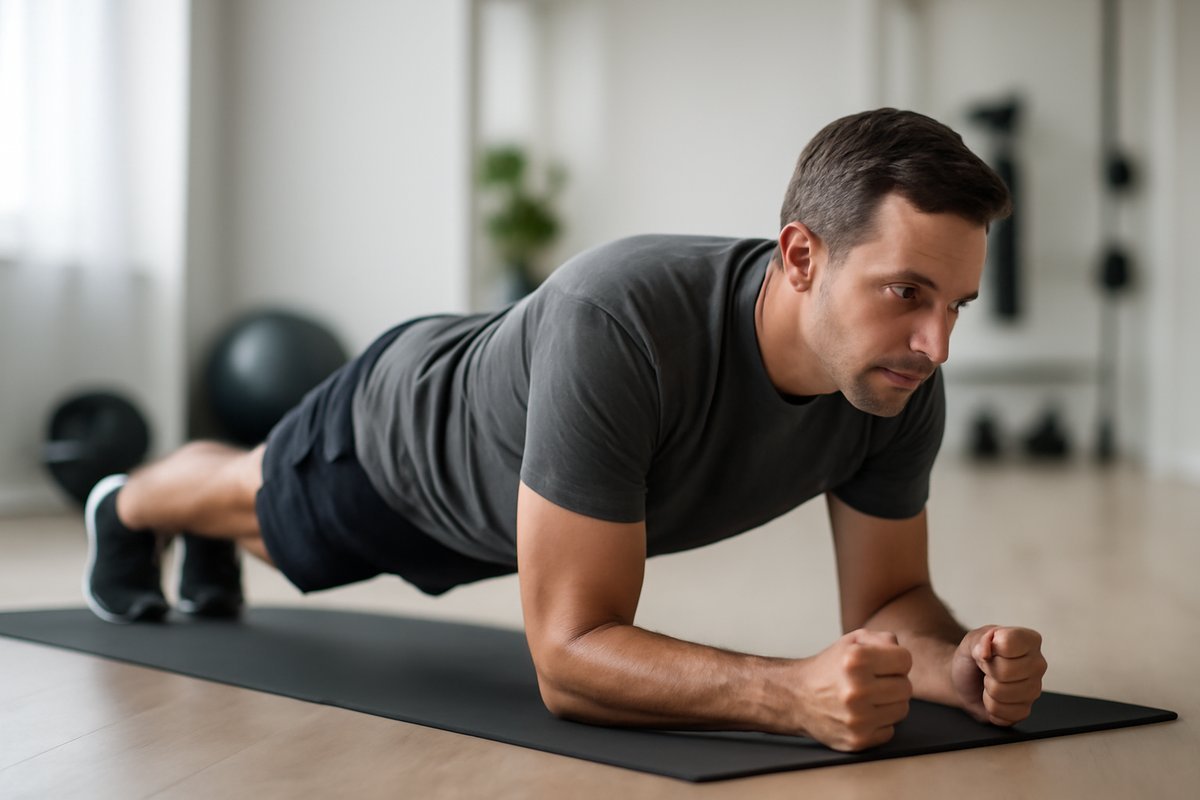
    4. Forearm Plank: Start face down, then prop yourself up on your forearms and toes, keeping your body in a straight line from head to heels. Avoid sagging hips or raising your butt too high. Hold for 20-30 seconds, rest, and repeat for 2-3 sets.

    Intermediate Core Exercises (Adding Challenge and Movement)

    1. Side Plank: Lie on your side, propped on one forearm, feet stacked or staggered. Lift your hips off the floor, forming a straight line from head to heels. Hold for 30-45 seconds per side, 2-3 sets.
    2. Dead Bug: Lie on your back, knees bent at 90 degrees, arms extended towards the ceiling. Keep your lower back pressed into the floor. Slowly lower your right arm towards the floor behind your head and your left leg towards the floor simultaneously. Return to start and alternate. Perform 10-12 reps per side.
    3. Stability Ball Rollout: Kneel behind a stability ball, placing your forearms on the ball. Keeping your core tight and back straight, slowly roll the ball forward, extending your arms and body. Go as far as you can without arching your back, then pull the ball back using your core. Perform 8-10 reps.

    Advanced Core Exercises (Integrating Power and Complexity)

    1. Hanging Leg Raises: Hang from a pull-up bar with an overhand grip. Keeping your core tight, slowly lift your knees towards your chest, or if possible, your straight legs up towards the bar. Control the descent. Perform 8-12 reps for 3 sets.
    2. Pallof Press: Attach a D-handle to a cable machine at chest height. Stand perpendicular to the machine, holding the handle with both hands at your chest. Step away to create tension. Press the handle straight out in front of you, resisting the rotational pull of the cable. Hold for a moment, then slowly return. Perform 8-10 reps per side.
    3. Dragon Flag: Lie on a bench, gripping the bench behind your head. Lift your entire body (from shoulders to feet) into a straight line, supported only by your upper back and shoulders. Slowly lower your body, maintaining the straight line, without letting your hips touch the bench. This is a very challenging exercise requiring significant core strength.

    Remember, the goal is controlled movement and proper form over speed or quantity. When in doubt, start with the beginner variations and progress as your strength and confidence grow. For more dynamic movement, consider how core strength enhances functional fitness training.

    Common Mistakes That Sabotage Results

    Even with the best intentions, it’s easy to fall into common traps that hinder your core strength progress. Recognizing these can help you course-correct and get more from your efforts:

    1. Arching the Lower Back: This is perhaps the most frequent mistake, especially during planks, bird-dogs, and leg raises. Arching your lower back takes the tension off your core and places undue stress on your spine, increasing injury risk.
      • How to Fix It: Focus on maintaining a neutral spine. Imagine drawing your belly button towards your spine or tucking your tailbone slightly. For planks, ensure your body forms a straight line from head to heels.
    2. Holding Your Breath: Many people instinctively hold their breath during challenging core exercises. This can raise blood pressure and prevents proper engagement of deep core muscles, especially the transversus abdominis and diaphragm.
      • How to Fix It: Consciously practice diaphragmatic breathing. Exhale on the exertion phase of an exercise (e.g., as you lift legs in a dead bug, or as you press out in a Pallof press).
    3. Focusing Only on “Abs” (Rectus Abdominis): As mentioned, your core is a 360-degree powerhouse. Neglecting your obliques, lower back, or deep stabilizers will lead to imbalances and limit your overall strength.
      • How to Fix It: Incorporate a variety of exercises that target different core functions: anti-extension (planks), anti-rotation (Pallof press), anti-lateral flexion (side planks), and hip flexion (leg raises).
    4. Rushing Through Movements: Speed can compromise form and reduce muscle engagement. Core exercises are most effective when performed slowly and with control.
      • How to Fix It: Slow down! Focus on the mind-muscle connection. Aim for a 2-second concentric (lifting) phase, a 1-second hold, and a 2-second eccentric (lowering) phase for most exercises.

    Beyond the Workout: Supporting Your Core Strength

    While targeted exercises are crucial, building and maintaining a strong core is also about your broader lifestyle. Just like a sturdy house needs a solid foundation and ongoing care, your core benefits from a holistic approach.

    • Balanced Nutrition: Fueling your body with a variety of whole foods supports muscle repair and growth, which is essential for any strength-building endeavor. According to the Academy of Nutrition and Dietetics, adequate protein intake (around 0.7-1 gram per pound of body weight for active individuals) is vital for muscle synthesis. Don’t forget complex carbohydrates for energy and healthy fats for overall cellular function.
    • Hydration: Water is essential for every bodily function, including muscle contraction, nutrient transport, and joint lubrication. Dehydration can lead to muscle fatigue and reduced performance. Aim for at least 64 ounces of water daily, more if you’re active.
    • Adequate Sleep and Recovery: Your muscles don’t grow when you’re working out; they grow and repair during rest. The National Sleep Foundation recommends 7-9 hours of quality sleep for most adults. Prioritize rest days and consider incorporating stretching routines to aid recovery and flexibility, which can complement core stability.
    • Mindful Movement and Posture: Be aware of your posture throughout the day, whether sitting at a desk or standing. Engage your core subtly by drawing your navel slightly towards your spine. This constant, low-level engagement reinforces core stability and can significantly reduce everyday back pain.
    • Stress Management: Chronic stress can lead to muscle tension, including in the core and lower back. Incorporate stress-reducing practices like mindfulness, deep breathing, or light activity to help maintain muscle relaxation and overall well-being.

    Integrating these habits with your core workout routine creates a powerful synergy for lasting strength and health. For a comprehensive approach, consider how core work fits into building a sustainable workout routine.

    How Long Until You See Results? What to Track

    Patience and consistency are key when building core strength. You won’t develop a rock-solid core overnight, but you will likely notice improvements sooner than you think, especially in how you feel and move.

    Realistic Timelines:

    • Weeks 2-4: You’ll start to notice improved body awareness and better control during exercises. Movements will feel less awkward, and you might find it easier to maintain proper form.
    • Months 1-3: You should experience noticeable improvements in stability, balance, and a reduction in minor aches and pains, particularly lower back discomfort. You’ll likely be able to hold planks longer, perform more reps of bird-dogs, or progress to slightly more challenging variations.
    • Months 3-6+: Significant functional strength gains. Daily tasks become easier, posture improves, and you might see aesthetic changes, though these are secondary to functional strength.

    Results vary significantly based on your starting fitness level, consistency, exercise selection, and overall lifestyle. Someone starting from a very sedentary baseline might see quicker initial changes than an already active individual refining their core strength.

    What to Track:

    • Exercise Performance: Record the duration you can hold planks, the number of reps you complete, or the resistance used for exercises like the Pallof press. Consistent improvement in these metrics is a clear sign of progress.
    • Body Awareness: Pay attention to how your body feels. Do you have better balance? Is it easier to sit upright? Do you feel more stable when bending, twisting, or lifting?
    • Pain Reduction: Note any decrease in back pain, hip discomfort, or improved overall comfort during daily activities.
    • Posture: Observe your standing and sitting posture. Is it naturally improving?

    If you’re not seeing any improvements after a few months, or if you experience persistent pain, it’s wise to reassess your technique or seek guidance from a certified fitness professional or physical therapist. They can evaluate your form and provide personalized adjustments.

    Frequently Asked Questions About Core Strength

    Q: Do I need equipment to train my core?

    A: Not at all! Many highly effective core exercises, like planks, bird-dogs, and dead bugs, rely solely on your body weight. As you progress, you might incorporate resistance bands, stability balls, or dumbbells, but they are not necessary for a strong core.

    Q: How often should I work my core?

    A: For most adults, 2-3 dedicated core sessions per week, lasting 10-20 minutes, is sufficient. You can also integrate core exercises into your existing full-body workouts. Allow for rest days in between to permit muscle recovery and growth.

    Q: Can core exercises help with back pain?

    A: Yes, absolutely. A weak core is a common contributor to lower back pain. Strengthening the muscles that support your spine can significantly reduce discomfort by improving stability and posture. However, if you have chronic or severe back pain, consult a healthcare professional before starting any new exercise program.

    Q: Is it safe to train my core if I’m pregnant?

    A: Core training during pregnancy can be beneficial, but it must be modified and done under guidance. Avoid exercises that involve lying flat on your back for prolonged periods or create excessive intra-abdominal pressure. Consult your doctor or a prenatal fitness specialist for safe and effective exercises.

    Q: Will core training give me a “six-pack”?

    A: Core training builds muscle strength and definition. However, whether a “six-pack” becomes visible largely depends on your body fat percentage. You can have a very strong core without having visible abdominal muscles. Focus on functional strength and overall health rather than purely aesthetic goals.

    The Foundation of Your Well-Being Starts Here

    Building a strong, functional core is one of the most impactful investments you can make in your long-term health and well-being. It’s not just about looking good; it’s about moving better, feeling more stable, preventing injuries, and supporting your body through every twist, bend, and lift of daily life. Remember, genuine strength comes from consistency, proper form, and a holistic approach that extends beyond just your workout sessions.

    Don’t let the quest for a “perfect” core overwhelm you. Start small, focus on the fundamentals, and be patient with your progress. Even a few minutes of dedicated core work a few times a week can yield profound benefits. Take the first step today – your body, and your future self, will thank you for it.

    WELLNESS DISCLAIMER

    This article is for informational and educational purposes only. The content is not intended to replace professional medical, nutritional, or fitness advice. Always consult a qualified healthcare provider, registered dietitian, or certified fitness professional before starting a new health program or making significant changes to your lifestyle.

    AUTHOR LINE

    Content reviewed by our wellness editorial team, with references to peer-reviewed research and guidelines from leading health organizations.