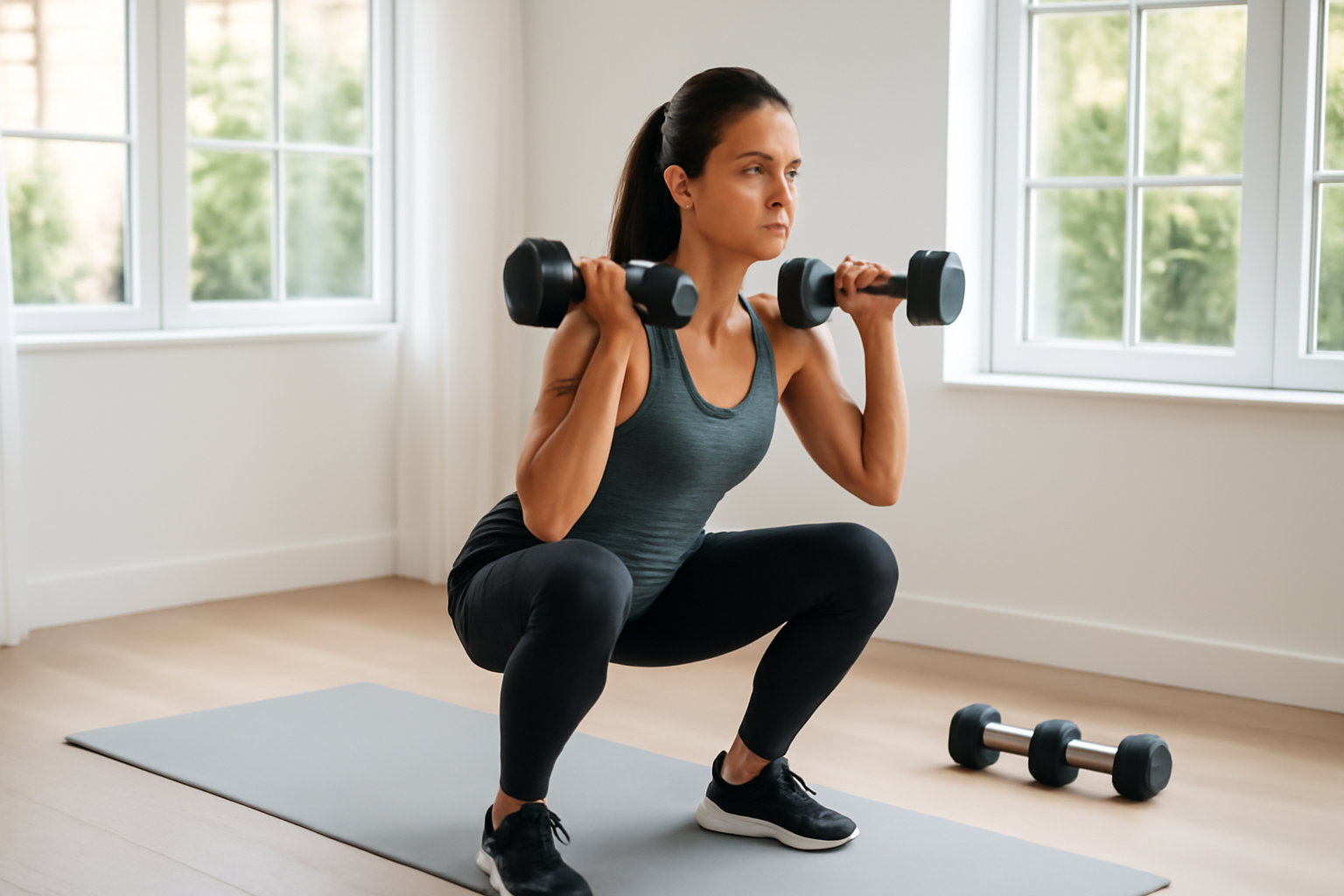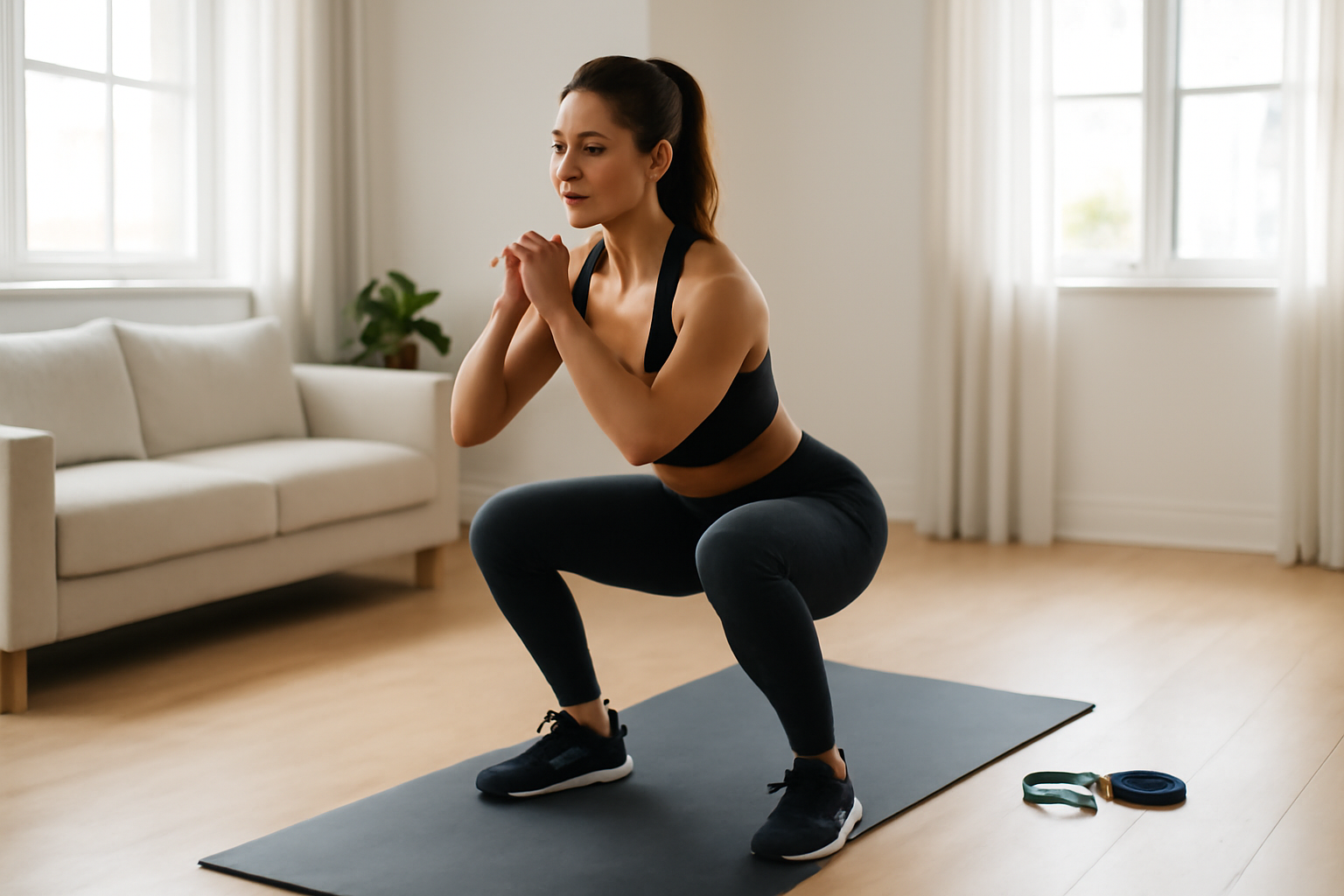
Blog

  • Home Workout Plans: Get Fit Without the Gym

    Home Workout Plans: Get Fit Without the Gym

    Home Workout Plans: Get Fit Without the Gym

    You don’t need a gym membership, fancy equipment, or two free hours to build real fitness — you just need a plan that actually works with your life.

    It’s 6:45 AM. You have 30 minutes before the kids wake up or the work calls start rolling in. The gym is 20 minutes away, and the idea of commuting just to exercise feels impossible. Sound familiar? You’re not alone — and here’s the truth: that 30-minute window at home can be more effective than you think.

    According to the American College of Sports Medicine (ACSM), adults need at least 150 minutes of moderate-intensity exercise per week for meaningful cardiovascular and muscular health benefits. The barrier isn’t always effort — it’s logistics. And home workout plans solve exactly that problem.

    In this guide, you’ll learn how to build an effective home workout routine from scratch, understand the science behind why home training works, avoid the most common mistakes that keep people spinning their wheels, and get a clear, realistic picture of when you’ll start seeing results. Whether you’re a complete beginner or someone returning after a long break, this is your practical starting point.

    Why Home Workouts Matter More Than You Think

    There’s a stubborn belief that "real" fitness only happens in commercial gyms — surrounded by machines, mirrors, and monthly fees. But the research tells a different story.

    A landmark study published in PLOS ONE found that home-based exercise programs produced comparable improvements in cardiovascular fitness, muscular endurance, and body composition to gym-based training when exercise frequency, duration, and intensity were matched. The gym isn’t the magic ingredient — consistency is.

    From a practical standpoint, home training removes three of the biggest barriers to regular exercise: travel time, cost, and scheduling inflexibility. The ACSM notes that convenience is one of the strongest predictors of long-term exercise adherence. When your workout space is steps away, the likelihood of actually doing it increases significantly.

    Home workouts also give you full control. You choose the time, the music, the temperature, and the pace. For adults managing work stress, family responsibilities, or social anxiety around gyms, that autonomy matters. It lowers the psychological friction that turns "I’ll work out tomorrow" into weeks of inactivity.

    The bottom line: a home workout plan isn’t a compromise — for many people, it’s the smarter, more sustainable choice.

    The Science Behind Effective Home Training

    Here’s the myth worth busting immediately: bodyweight training is only for beginners or people who want to "tone up." In reality, bodyweight and minimal-equipment exercises can build significant strength, improve cardiovascular health, and support healthy body composition — at any fitness level.

    The principle at work is called progressive overload — the gradual increase of stress placed on muscles over time. In a gym setting, you add weight to the bar. At home, you progress by increasing reps, adjusting leverage, slowing tempo, reducing rest periods, or moving to harder exercise variations. The physiological stimulus is the same.

    Research published in the Journal of Strength and Conditioning Research showed that bodyweight squats, push-ups, and hip hinge movements activate the same primary muscle groups — quads, glutes, chest, shoulders, and back — as their barbell counterparts when performed with adequate intensity and volume.

    Compound movements (exercises that engage multiple muscle groups simultaneously) are the backbone of effective home training. Squats, lunges, push-ups, planks, mountain climbers, and hip bridges are not "easy alternatives" — they are legitimate exercises with decades of evidence behind them.

    One important nuance: home training has real limits for advanced strength athletes pursuing maximal hypertrophy or powerlifting goals. But for the vast majority of adults focused on health, functional fitness, and looking and feeling better — home workouts deliver meaningful results.

    How to Build Your Home Workout Plan: Practical Steps

    Building an effective home workout plan doesn’t require a personal trainer, an app subscription, or hours of research. It requires structure, progression, and a clear understanding of your starting point.

    Step 1: Define Your Goal and Time Budget

    Before picking exercises, be honest about two things: what you’re training for, and how many minutes per day you can realistically commit. Three 30-minute sessions per week is enough to drive meaningful change. Don’t plan for daily 60-minute workouts if your life doesn’t support that — you’ll quit within two weeks.

    Step 2: Choose a Training Structure

    Three structures work well at home:

    • Full-body training (3x/week): Ideal for beginners. Train every major muscle group each session. Rest at least one day between sessions.
    • Upper/Lower split (4x/week): Two upper-body days, two lower-body days. Good for intermediate trainees wanting more volume.
    • Push/Pull/Legs (5-6x/week): Advanced option. High frequency, high volume. Not recommended unless you already have a solid base.

    Step 3: Build Each Session Around These Core Movements

    • Push: Push-up variations (standard, wide, close-grip, incline, decline)
    • Pull: Resistance band rows, doorframe rows, or inverted rows under a sturdy table
    • Hinge: Hip bridges, single-leg deadlifts (bodyweight or with a backpack)
    • Squat: Bodyweight squats, sumo squats, split squats, Bulgarian split squats
    • Core: Planks, dead bugs, mountain climbers, hollow body holds
    • Cardio: Jumping jacks, high knees, burpees, jump rope, stair climbing

    Step 4: Beginner Sample Week

    Monday / Wednesday / Friday — Full Body (30 minutes)

    • Warm-up: 5 minutes of light movement (arm circles, leg swings, marching in place)
    • 3 rounds: 10 push-ups, 15 bodyweight squats, 10 hip bridges, 30-second plank
    • Cardio finisher: 3 x 1-minute high knees or jumping jacks
    • Cool-down: 5 minutes of gentle stretching

    Step 5: Intermediate Progression

    Once you can complete 3 sets of 15 reps with good form on any exercise, it’s time to progress. Options include: elevating feet during push-ups, adding a resistance band, slowing the tempo to 3-4 seconds on the way down, or adding a weighted backpack for squats and hinges.

    If you’re interested in pairing your home workouts with a gym-based strength approach, our Strength Training for Beginners: Your Complete Starter Guide covers the fundamentals you need to know before picking up a barbell.

    Common Mistakes That Sabotage Home Workout Results

    Home workouts are accessible — but that accessibility can work against you if you fall into these traps. These are easy mistakes to make, and recognizing them is the first step to fixing them.

    Mistake #1: No Structure or Progression Plan

    Doing random YouTube videos every day with no consistent programming is fun, but it won’t build strength or fitness in any meaningful direction. The body adapts to repeated stress — but only when that stress increases systematically. Fix it: follow a structured plan for at least 6-8 weeks before switching things up.

    Mistake #2: Skipping the Warm-Up

    Jumping straight into squats and push-ups cold increases your injury risk and reduces performance. A 5-minute dynamic warm-up — leg swings, hip circles, arm rotations, and light marching — primes your joints and nervous system. It takes five minutes. It matters.

    Mistake #3: Training Too Hard, Too Soon

    Soreness after your first week isn’t a badge of honor — it’s a sign your body wasn’t ready for that volume. Extreme soreness often leads to skipped sessions, which breaks your momentum. According to the ACSM, beginners should start with 2-3 days per week at moderate intensity and build gradually over 4-6 weeks.

    Mistake #4: Neglecting Recovery

    Rest days are not wasted days. Muscle repair and adaptation happen during recovery, not during the workout itself. Chronic underrecovery leads to fatigue, declining performance, and elevated injury risk. Build at least 1-2 full rest days into every week.

    Mistake #5: Ignoring Nutrition and Sleep

    Exercise is only one piece of the puzzle. Harvard Health Publishing consistently emphasizes that sleep deprivation and poor nutrition blunt the physiological response to training. If you’re exercising consistently but not seeing progress, your kitchen and your sleep schedule are worth examining before you increase workout volume.

    What to Eat to Support Your Home Workout Plan

    You don’t need a rigid meal plan to fuel your workouts effectively — but a few strategic habits make a measurable difference.

    The Academy of Nutrition and Dietetics recommends that physically active adults consume 0.7 to 1.0 grams of protein per pound of body weight daily to support muscle repair and growth. For a 160-pound adult, that’s roughly 112-160 grams of protein per day. Prioritize whole-food protein sources: chicken breast, eggs, Greek yogurt, cottage cheese, lentils, tofu, and canned fish.

    Pre-workout nutrition: Eat a small meal or snack 60-90 minutes before exercising if possible. A banana with nut butter, oatmeal with berries, or a small portion of rice with chicken provides carbohydrates for energy and protein to protect muscle tissue.

    Post-workout nutrition: The 30-60 minute window after exercise is a good time to consume protein and carbohydrates. A protein shake with fruit, eggs on toast, or yogurt with granola are practical options. This isn’t mandatory for casual workouts, but it supports recovery when training with higher intensity.

    Hydration: The ACSM recommends drinking 17-20 ounces of water 2-3 hours before exercise and 7-10 ounces every 10-20 minutes during activity. Dehydration — even mild — impairs strength, endurance, and cognitive focus.

    Avoid extreme restriction on training days. Under-fueling leads to fatigue, muscle breakdown, and poor performance. The goal is to support your body, not punish it.

    How Long Until You See Results — and What to Track

    One of the most common reasons people quit is expecting results too quickly. Here’s the honest, research-backed timeline.

    Weeks 1-2: You won’t see visible changes, but your nervous system is adapting. You’ll feel exercises getting slightly easier — this is neurological adaptation, not muscle growth. Energy levels and sleep quality may already begin to improve.

    Weeks 3-6: Endurance improves noticeably. You can complete workouts that felt impossible in week one. Some people begin to notice subtle changes in how clothes fit. Body composition shifts are starting, though often not yet visible in the mirror.

    Weeks 8-12: This is where visible progress typically begins for consistent trainees. Muscle definition increases, cardiovascular capacity improves significantly, and many people report measurable changes in waist circumference, resting heart rate, and energy levels throughout the day.

    Research from the Journal of Applied Physiology confirms that meaningful muscle hypertrophy requires at least 6-8 weeks of consistent, progressive training — and that’s true whether you’re training at home or in a gym.

    What to track:

    • Exercise performance: reps, sets, time, and perceived effort — not just how you look
    • Energy levels and sleep quality: often the first improvements to notice
    • Body measurements (waist, hips, chest) rather than scale weight alone
    • Progress photos every 3-4 weeks under consistent lighting
    • Resting heart rate over time — a declining resting HR is a reliable marker of improving cardiovascular fitness

    When to seek professional guidance: if you’ve trained consistently for 12 weeks with no measurable changes, consult a certified fitness professional (NASM, ACE, or ACSM-certified trainer) or your healthcare provider to rule out nutritional deficiencies or hormonal factors.

    If you want to complement your home routine with lower-intensity activity on recovery days, our Walking for Weight Loss: The Science-Backed Guide is a great companion read — walking is genuinely underrated as an active recovery tool.

    Frequently Asked Questions

    Can I really build muscle at home without weights?

    Yes — with caveats. Bodyweight training can absolutely build muscle, especially for beginners and intermediate trainees. The key is applying progressive overload over time: harder variations, more volume, slower tempo, and reduced rest. Advanced athletes may eventually need external resistance (resistance bands, weighted vests, or dumbbells) to keep progressing, but most people won’t hit that ceiling for months or even years.

    How many days per week should I work out at home?

    For most adults, 3 to 4 days per week is the sweet spot — enough stimulus for consistent progress without overtraining. The ACSM recommends at least 2 days of strength-focused activity and 150 minutes of moderate cardio per week. These can absolutely overlap in a well-designed home workout plan.

    What if I don’t have any equipment at all?

    You can make substantial progress with zero equipment. Push-ups, squats, lunges, hip bridges, planks, and mountain climbers require nothing but floor space. Once you want more resistance, a single set of resistance bands (under $25) opens up a dramatically wider range of exercises. A jump rope is another high-value, low-cost addition for cardio work.

    Is a home workout plan effective for weight loss?

    Exercise supports weight management primarily by increasing energy expenditure and preserving lean muscle mass during a calorie deficit. Home workouts are effective for this purpose — but the Academy of Nutrition and Dietetics emphasizes that nutrition remains the dominant factor in body weight change. Exercise and diet work best as partners, not substitutes for each other.

    How do I stay motivated working out at home?

    Motivation is unreliable — habits are not. Build consistency by scheduling your workouts like appointments, keeping your workout space visually accessible, and tracking your progress week to week. Research from the American Psychological Association shows that identity-based motivation ("I’m someone who exercises regularly") is more durable than outcome-based motivation ("I want to lose weight"). Start small, stay consistent, and let the results reinforce the habit.

    Final Thoughts: Your Living Room Is Already a Gym

    The best workout plan is the one you’ll actually do. And for millions of busy adults, that plan lives at home — between the kitchen and the couch, before the workday starts or after the kids go to bed.

    You don’t need to overhaul your life to get fit. You need a clear structure, a commitment to progressive overload, and the patience to let results accumulate over weeks, not days. Start with three 30-minute sessions this week. Choose five movements. Write down your reps. Show up next session and try to beat them by one.

    That’s it. That’s the whole system. Consistency over perfection — every single time.

    And if you ever want to expand beyond home training, our HIIT vs Steady-State Cardio guide can help you decide what style of training to layer in next.


    Wellness Disclaimer: This article is for informational and educational purposes only. The content is not intended to replace professional medical, nutritional, or fitness advice. Always consult a qualified healthcare provider, registered dietitian, or certified fitness professional before starting a new health program or making significant changes to your lifestyle.

    Author Line: Content reviewed by our wellness editorial team, with references to peer-reviewed research and guidelines from leading health organizations including the American College of Sports Medicine, Academy of Nutrition and Dietetics, and Harvard Health Publishing.

  • Yoga Benefits: Flexibility, Strength & Mental Clarity

    Yoga Benefits: Flexibility, Strength & Mental Clarity

    You don’t have to be flexible to start yoga — but after a few weeks, you might be surprised by how much your body and mind shift.

    Picture this: you’ve been sitting at a desk for eight hours, your lower back is tight, your shoulders are creeping toward your ears, and your brain feels like a browser with 47 tabs open. You’ve heard yoga might help, but you’re not sure if it’s just stretching for people who already live at the gym — or something that could actually work for you.

    Here’s the truth: yoga is one of the most well-researched, adaptable, and consistently underestimated fitness practices available to adults today. Whether you’re 28 or 58, sedentary or semi-active, dealing with stress or just looking for a smarter way to move, the science behind yoga benefits is hard to ignore.

    In this guide, you’ll learn exactly what yoga does to your body and brain, how to start without feeling lost, what mistakes to avoid, and what realistic results look like over time. No hype — just evidence-backed guidance you can actually use.

    Why Yoga Benefits Matter More Than You Think

    Most people think of yoga as a flexibility exercise. And while it absolutely improves range of motion, stopping there dramatically undersells what consistent practice can do for your health.

    According to the American College of Sports Medicine (ACSM), yoga qualifies as a mind-body physical activity that improves muscular strength, endurance, flexibility, balance, and cardiorespiratory function — depending on the style and intensity. That puts it in the same conversation as traditional workouts, not just as a warm-up or cool-down.

    Consider this: a review published in the Journal of Alternative and Complementary Medicine analyzed over 30 randomized controlled trials and found that regular yoga practice was associated with meaningful reductions in perceived stress, anxiety, and markers of inflammation. These aren’t minor quality-of-life improvements — chronic inflammation and unmanaged stress are linked to cardiovascular disease, metabolic dysfunction, and poor sleep.

    For adults between 25 and 60, this matters enormously. These are the years when work pressure peaks, physical activity tends to decline, and lifestyle-driven health risks begin to compound. Yoga meets you where you are — and the barrier to entry is remarkably low compared to other structured fitness modalities.

    Beyond the individual benefits, the National Institutes of Health (NIH) recognizes yoga as a complementary health approach with growing evidence for managing lower back pain, insomnia, hypertension, and anxiety disorders — all conditions that disproportionately affect working-age adults in the US.

    The Science Behind How Yoga Actually Works

    Yoga isn’t magic — but the mechanisms behind its benefits are genuinely fascinating once you understand them.

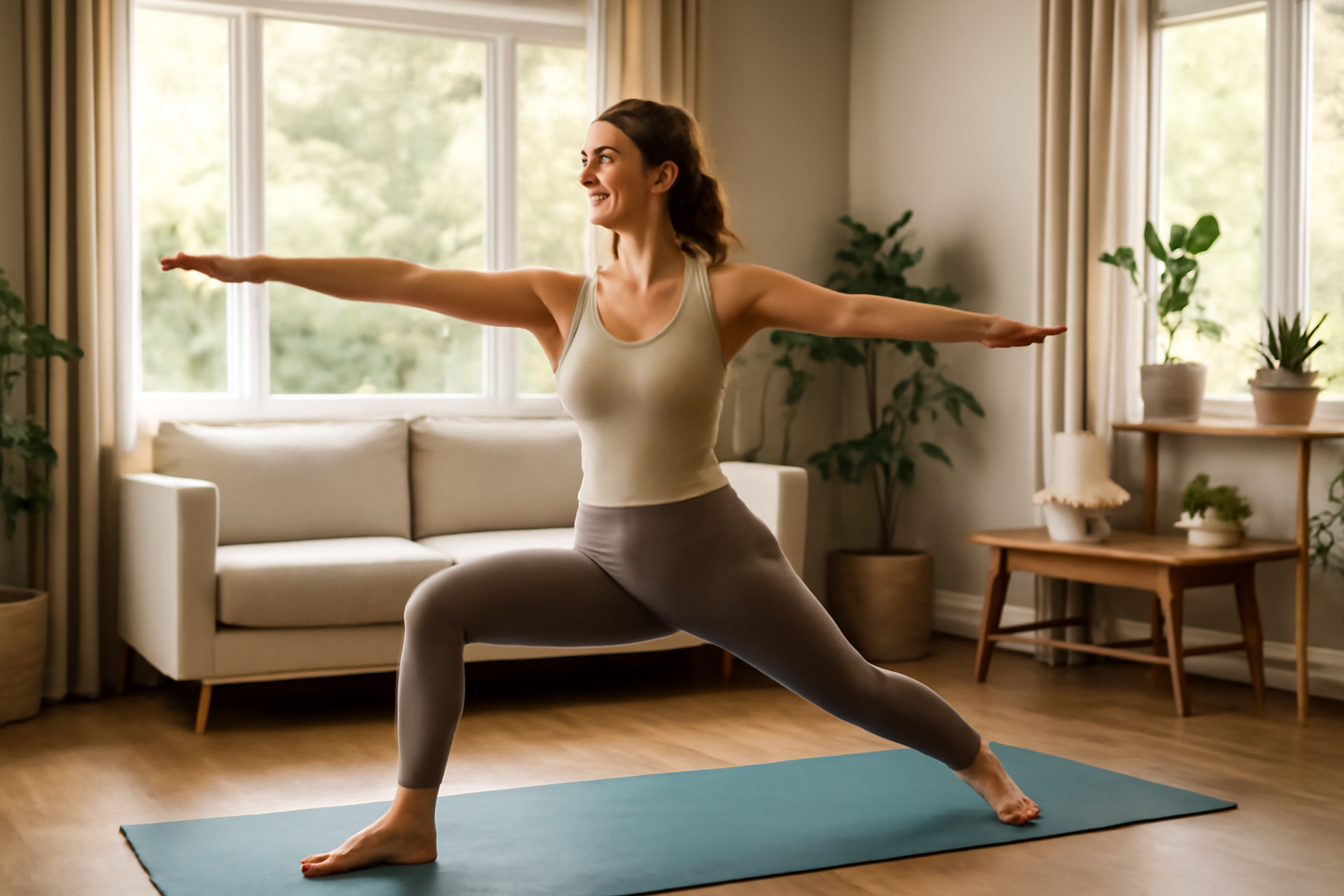
    At the muscular level, yoga builds strength through isometric and eccentric contractions. When you hold a Warrior II pose or a plank, you’re asking your muscles to generate force without significant joint movement — the same principle used in physical therapy and injury rehabilitation. Over time, this builds functional strength in stabilizer muscles that most gym workouts neglect.

    For flexibility, yoga works through a combination of static stretching, proprioceptive neuromuscular facilitation (PNF), and connective tissue adaptation. Research from Harvard Health Publishing notes that consistent stretching increases the extensibility of tendons and ligaments, improves joint lubrication, and reduces the stiffness associated with aging and sedentary behavior.

    The mental clarity piece is where yoga’s science gets especially compelling. Yoga activates the parasympathetic nervous system — the "rest and digest" branch — through slow, controlled breathing (pranayama) and focused movement. A landmark study published in JAMA Internal Medicine found that yoga interventions significantly improved sleep quality and reduced fatigue in adults with chronic insomnia, outperforming standard sleep hygiene education alone.

    One common myth worth busting: yoga is only for people who are already fit or naturally flexible. This is categorically false. Flexibility is an outcome of yoga practice, not a prerequisite. Many of yoga’s most clinically relevant benefits — stress reduction, balance, core stability — are accessible to complete beginners from the very first session.

    It’s also worth noting that not all yoga is the same. Restorative yoga is gentle and meditative. Vinyasa is dynamic and cardio-adjacent. Ashtanga is intense and structured. The style you choose will determine what benefits you experience most prominently — and that’s a good thing. Yoga is customizable in ways most fitness formats are not.

    How to Get Started with Yoga: Practical Steps for Every Level

    Getting started with yoga doesn’t require a studio membership, expensive leggings, or years of experience. Here’s how to begin — and how to progress intelligently.

    Beginner Entry Points:

    • Start with Hatha or Gentle Yoga: These styles move slowly, hold poses longer, and prioritize alignment over flow. They’re ideal for building a foundation without injury risk.
    • Practice 2-3 times per week for at least 20-30 minutes: Consistency matters more than duration at the beginning. Short, regular sessions beat occasional long ones.
    • Use a mat, a strap, and two blocks: These three props make almost every pose more accessible. You don’t need anything else to start effectively.
    • Follow a structured beginner series: Rather than random videos, work through a 30-day beginner program. This builds poses progressively and reduces the risk of jumping into movements your body isn’t ready for.

    Intermediate Options:

    • Transition into Vinyasa or Power Yoga for more cardiovascular and strength demands.
    • Begin exploring pranayama (breathwork) as a standalone practice — 5-10 minutes of focused breathing independently of asana (physical postures) has its own measurable stress-reduction effects.
    • Add Yin Yoga once or twice a week as a complement — it targets deep connective tissue and is excellent for recovery after strength training. If you’re already lifting weights, check out our Strength Training for Beginners: Your Complete Starter Guide for ideas on how to structure your week.

    Advanced Considerations:

    • Explore Ashtanga or Bikram (hot yoga) for increased intensity — but note that these styles carry higher injury risk if rushed.
    • Work with a certified yoga instructor (look for RYT-200 or RYT-500 credentials from Yoga Alliance) to refine alignment and deepen your practice safely.

    Common Mistakes That Sabotage Your Yoga Progress

    Yoga has a gentle reputation, which sometimes makes people careless about how they approach it. These are the most common errors — and none of them are hard to fix once you know what to look for.

    1. Forcing flexibility before your body is ready.
    This is the number one cause of yoga-related injuries, particularly in the hamstrings, lower back, and shoulders. Yoga is not a competition with the person on the mat next to you. Overstretching tight tissues — especially cold — creates microtears that become chronic pain over time. Fix it: warm up for 5 minutes before any session, use props liberally, and let your range of motion increase naturally over weeks and months.

    2. Holding your breath.
    Breath is the foundation of yoga — not an afterthought. When poses get difficult, most beginners unconsciously hold their breath, which activates the stress response and defeats much of yoga’s neurological benefit. Fix it: if you can’t breathe smoothly in a pose, it means you’ve gone too deep. Back off 10-20% until breathing is easy again.

    3. Skipping Savasana (final relaxation).
    The last 5-10 minutes of most yoga classes involve lying still in Savasana. Many busy adults skip it. Research from the American Psychological Association (APA) suggests that deliberate, guided relaxation practices like Savasana are where much of yoga’s cortisol-lowering effect is consolidated. Skipping it is like leaving the gym before your muscles have time to cool down properly.

    4. Expecting immediate results.
    Some people try yoga for two weeks, feel only mild changes, and give up. Structural flexibility adaptation takes 6-8 weeks of consistent practice before becoming clearly noticeable, according to research in the Journal of Strength and Conditioning Research. Mental benefits often appear sooner — but physical transformation is a longer game. Fix it: track your progress with specific benchmarks rather than general feelings.

    5. Treating yoga as a replacement for all exercise.
    Yoga is powerful — but it doesn’t replace every fitness need for every person. If your goal includes significant cardiovascular conditioning or bone density maintenance, yoga alone may not be sufficient. It works best as part of a varied movement routine. Consider pairing it with walking or another cardio modality — see our Walking for Weight Loss: The Science-Backed Guide for easy pairings that complement a yoga routine.

    What to Eat and Drink Around Your Yoga Practice

    Nutrition and hydration directly affect how your yoga sessions feel — and how well your body recovers from them. While yoga isn’t as metabolically demanding as high-intensity training, there are clear guidelines that support better performance and recovery.

    Before practice: The Academy of Nutrition and Dietetics recommends eating a light meal or snack 1.5 to 2 hours before moderate physical activity. For yoga, this means easily digestible carbohydrates with a small amount of protein — think a banana with almond butter or a small bowl of oatmeal. Avoid large, high-fat meals within 2 hours; inversions and core work on a full stomach are deeply uncomfortable.

    Hydration: Even in non-hot yoga, you lose fluids through breath and sweat. Drink 16-20 oz of water 1-2 hours before practice, and sip as needed during and after. For hot yoga (Bikram or heated Vinyasa), electrolyte replacement becomes more important — a small amount of sodium, potassium, and magnesium supports muscle function and reduces cramping.

    After practice: Post-yoga recovery nutrition follows general exercise principles. Within 30-60 minutes of practice, a combination of protein (15-25g) and carbohydrates supports muscle repair and glycogen replenishment. Greek yogurt with fruit, a smoothie with protein powder, or eggs with toast are practical options that align with USDA Dietary Guidelines.

    Anti-inflammatory eating: Because yoga is often used to manage chronic pain and inflammation, pairing your practice with an anti-inflammatory dietary pattern amplifies the results. This means emphasizing fatty fish, leafy greens, berries, olive oil, and whole grains — and minimizing processed foods, refined sugar, and excessive alcohol.

    How Long Until You See Results — and What to Track

    Setting realistic expectations is one of the most important things you can do to stay consistent with yoga long enough for it to actually work.

    Week 1-2: Most beginners report improved sleep quality and a noticeable reduction in daily tension — particularly in the neck and shoulders. This reflects yoga’s immediate effect on the nervous system, not structural physical change.

    Week 3-6: Flexibility improvements become measurable. You’ll notice poses that were inaccessible becoming reachable, and movements that felt awkward becoming more natural. Balance and core stability typically improve in this window as well.

    Week 6-12: Postural improvements become visible. Lower back pain, if present, often decreases significantly in this timeframe. A study published in the Annals of Internal Medicine found that yoga was as effective as physical therapy for reducing chronic lower back pain in adults — with improvements becoming clinically meaningful at the 12-week mark.

    Month 3 and beyond: Cumulative benefits compound. Body composition shifts (particularly reduced inflammation and water retention), measurable strength increases in stabilizer muscles, and sustained mood improvements are common reports among practitioners at this stage. Results vary significantly based on frequency, style of yoga, individual health baseline, and lifestyle factors.

    What to track:

    • Flexibility benchmarks: Can you touch your toes? How far can you forward fold?
    • Balance: How long can you hold Tree Pose on each side without wobbling?
    • Sleep quality: Subjective rating or a wearable device
    • Resting heart rate: A proxy for stress and cardiovascular adaptation
    • Mood and stress levels: A simple 1-10 daily rating is surprisingly useful over time

    When to seek professional guidance: If you experience sharp joint pain (not mild discomfort), numbness, or tingling during practice, stop and consult a physical therapist or your primary care provider. Yoga is generally safe — but individual anatomy varies, and some modifications require professional assessment.

    Frequently Asked Questions About Yoga Benefits

    Can yoga help with weight management?
    Yoga alone is unlikely to produce significant weight loss in the absence of dietary changes, as most styles burn fewer calories than cardio-dominant exercise. However, research from the NIH suggests that mind-body practices like yoga reduce stress-driven eating behaviors and improve body awareness — both of which support healthier weight management over time. More vigorous styles like Power Yoga or Vinyasa do provide meaningful caloric expenditure. Pairing yoga with cardio and strength work creates a more complete approach — you can explore HIIT vs. Steady-State Cardio: Which One Is Right for You? for complementary options.

    How is yoga different from stretching?
    Stretching primarily targets muscle length. Yoga integrates breath, balance, muscular engagement, body awareness, and mental focus into a unified practice. The neurological and psychological benefits of yoga are not replicated by static stretching alone. Think of stretching as one component of what yoga does — not an equivalent.

    Is yoga safe if I have lower back pain?
    For most adults with non-specific lower back pain, yoga is not only safe but often therapeutic, as validated by the American College of Sports Medicine and multiple clinical trials. However, certain poses — deep twists, unsupported forward bends, or full backbends — may aggravate specific conditions. Always inform your instructor of any pain history, and consider starting with a physical therapist-guided yoga program if your pain is acute or severe.

    How many days per week should I practice yoga?
    Most research on yoga benefits uses protocols of 2-5 sessions per week, with sessions ranging from 20 to 90 minutes. For general wellness, 3 sessions per week of 30-45 minutes is a sustainable and evidence-supported starting point. Consistency over months matters far more than session frequency in any single week.

    Do I need a teacher, or can I learn from videos?
    Videos are a genuinely effective starting point and have made yoga far more accessible. The limitation is feedback — a teacher can spot alignment errors that increase injury risk and that you simply can’t see yourself. If possible, attend at least a few in-person or live-online sessions early in your practice to establish correct form before going fully independent.

    Start Small, Stay Consistent, Transform Gradually

    Yoga doesn’t demand perfection. It doesn’t require a specific body type, a certain fitness level, or a particular amount of free time. What it does require is showing up — regularly, with a willingness to breathe through discomfort and trust the process.

    The evidence is clear: consistent yoga practice builds flexibility, functional strength, better balance, and measurable mental resilience. These aren’t minor perks — they’re the foundations of long-term health and quality of life as you age.

    Your next step doesn’t have to be a 60-minute class. Roll out a mat for 15 minutes tonight. Try five basic poses. Breathe slowly. That’s it — that’s how it starts. And for most people, that simple beginning is what changes everything.


    Wellness Disclaimer: This article is for informational and educational purposes only. The content is not intended to replace professional medical, nutritional, or fitness advice. Always consult a qualified healthcare provider, registered dietitian, or certified fitness professional before starting a new health program or making significant changes to your lifestyle.

    Content reviewed by our wellness editorial team, with references to peer-reviewed research and guidelines from leading health organizations.

  • Walking for Weight Loss: The Science-Backed Guide

    Walking for Weight Loss: The Science-Backed Guide

    You already know how to do it — and it might be the most underrated fitness tool you own.

    Introduction

    You’ve probably walked past a gym, glanced at the equipment, and thought, “I should really start working out.” But what if the most effective exercise for long-term health and sustainable weight loss was the thing you were already doing to get to your car?

    Walking for weight loss is one of the most searched fitness topics online — and for good reason. It’s free, accessible, low-impact, and backed by decades of research. Yet millions of people dismiss it as “not real exercise” because it doesn’t feel intense enough. That’s one of the biggest fitness myths out there.

    In this guide, you’ll learn why walking deserves a place at the center of your fitness routine, how to structure your walks for maximum benefit, and what the science actually says about walking for weight loss, cardiovascular health, and mental well-being. Whether you’re just starting out or looking to level up, there’s a strategy here for you.

    No treadmill required. No gym membership. Just you, your shoes, and a plan.

    Why Walking for Weight Loss Matters More Than You Think

    Here’s a number that might surprise you: according to the American Heart Association, physical inactivity is linked to approximately 1 in 10 premature deaths in the United States. And the fix doesn’t have to be a grueling CrossFit session five days a week.

    A landmark study published in JAMA Internal Medicine followed over 16,000 women and found that those who walked at least 4,400 steps per day had significantly lower mortality rates than those who averaged just 2,700 steps. The benefits continued to increase up to around 7,500 steps per day — far below the often-cited 10,000-step goal.

    Walking for weight loss works through a straightforward mechanism: it increases your total daily energy expenditure (TDEE). When you walk consistently, you burn more calories than you would at rest, and over time, this caloric output contributes meaningfully to fat loss — especially when paired with mindful eating habits.

    But weight management is just one piece. Research from the American College of Sports Medicine (ACSM) confirms that regular moderate-intensity walking improves cardiovascular endurance, reduces blood pressure, supports healthy blood sugar levels, and strengthens bones and muscles. This is a full-body health tool hiding in plain sight.

    The real win? Consistency. Most people can sustain a walking habit far longer than they can sustain high-intensity workouts. And in fitness, the exercise you actually do beats the perfect program you abandon every time.

    The Science Behind Walking and Fat Loss

    Let’s clear something up right away: walking burns fewer calories per minute than running or cycling. That’s true. But the full picture is more nuanced — and more encouraging.

    A common myth is that “low-intensity exercise doesn’t burn fat.” This misreads the research. While higher-intensity exercise burns a greater percentage of calories from carbohydrates, walking operates primarily in the fat-oxidation zone. Your body is using stored fat as its primary fuel source during a moderate-paced walk. That matters.

    A study published in the Journal of Nutrition and Metabolism found that participants who walked briskly for 30 to 60 minutes per day, five days a week, reduced visceral fat — the dangerous fat stored around internal organs — significantly over 12 weeks, even without changes to their diet. Visceral fat is strongly linked to cardiovascular disease, type 2 diabetes, and metabolic syndrome.

    Walking also has a meaningful impact on appetite regulation. Research from the University of Exeter found that a 15-minute brisk walk reduced cravings for sugary snacks, even under stress. This dual effect — burning calories while reducing overconsumption — makes walking for weight loss surprisingly effective.

    One more factor people overlook: Non-Exercise Activity Thermogenesis (NEAT). This is all the movement you do outside of formal workouts — walking to your mailbox, pacing while on a phone call, taking stairs. Harvard Health Publishing notes that NEAT can account for 200 to 800 additional calories burned per day depending on your activity level. Increasing your daily step count is one of the simplest ways to raise your NEAT without stepping foot in a gym.

    How to Get Started: Practical Steps for Every Level

    One of the best things about walking for weight loss is that the entry barrier is almost zero. Here’s how to build your practice based on where you’re starting from.

    Beginner Level (0–2,000 steps/day baseline)

    • Start with 15-minute walks, three times per week. Don’t worry about pace. Just move.
    • Pick a consistent time. Morning walks before breakfast are popular because they require no scheduling gymnastics, but any time you’ll actually do is the right time.
    • Use a step-counting app or wearable. Seeing your daily total is motivating and gives you something concrete to build on.
    • Week 3 goal: Aim for 20-minute walks, four times per week. That’s enough to start feeling a difference.

    Intermediate Level (3,000–5,000 steps/day baseline)

    • Increase duration to 30–45 minutes per session. This is where fat-burning benefits really begin to accumulate.
    • Add light inclines. Hills, staircases, or a slight treadmill incline increase caloric burn by 20–40% compared to flat walking at the same pace.
    • Introduce interval walking. Alternate 2 minutes of brisk walking (where you can still hold a conversation but it takes effort) with 1 minute of normal pace. Repeat 8–10 times. This technique mimics some benefits of interval training while keeping impact low.
    • Weekly step goal: 35,000–50,000 steps total.

    Advanced Level (7,000+ steps/day baseline)

    • Try weighted walks. A light backpack (5–10 lbs) or ankle weights can add resistance without changing the low-impact nature of the activity.
    • Explore Nordic walking. Using trekking poles engages your upper body and can increase calorie burn by up to 46%, according to research published in the British Journal of Sports Medicine.
    • Pair walking with strength training. Combining both modalities accelerates body recomposition significantly more than either alone.
    • Daily step goal: 10,000–12,000 for maximizing weight loss and overall fitness impact.

    Common Mistakes That Sabotage Your Walking Results

    Walking seems foolproof — and mostly it is. But a few common errors keep people from getting the results they’re after. These mistakes are easy to make and just as easy to fix once you spot them.

    Mistake #1: Walking too slowly to trigger a meaningful cardiovascular response. A casual stroll through the grocery store counts for NEAT, but it won’t significantly improve your cardiovascular fitness or burn enough calories to affect your weight. Your target for fat loss and fitness is a brisk pace — roughly 3 to 3.5 miles per hour — where you can speak in full sentences but feel your breathing deepen. Think purposeful, not leisurely.

    Fix it: Use a fitness tracker to monitor your heart rate. The ACSM recommends a moderate-intensity effort of 50–70% of your maximum heart rate. A rough estimate: subtract your age from 220, then multiply by 0.5 and 0.7 to find your target range.

    Mistake #2: Eating back all the calories you burned. This is extremely common. You walk 45 minutes, burn roughly 200–300 calories, then celebrate with a coffee drink that contains 400 calories. Over time, this pattern eliminates any caloric deficit your walks created. Research from the Academy of Nutrition and Dietetics shows that people consistently underestimate calorie intake while overestimating calorie burn from exercise.

    Fix it: Track your food for at least two weeks to build awareness. You don’t need to count calories forever — but understanding your patterns helps you make smarter decisions without guesswork.

    Mistake #3: Skipping rest and recovery. Walking is low-impact, but daily intense walks without proper footwear or recovery can lead to plantar fasciitis, shin splints, or knee discomfort — especially if you ramp up mileage too quickly. The general rule: don’t increase your weekly steps by more than 10% per week.

    Fix it: Invest in quality walking shoes with proper arch support. Replace them every 300–500 miles. Stretch your calves, hamstrings, and hip flexors after each session.

    Mistake #4: Treating every walk the same. If you do the same 30-minute flat walk at the same pace every day, your body adapts and your results plateau. Variety is the key to continued progress.

    Fix it: Rotate between longer slow walks, shorter brisk walks, and interval sessions throughout the week. Changing your route and terrain also helps.

    What to Eat to Support Your Walking Routine

    Walking for weight loss works best when your nutrition supports your goals — not fights against them. You don’t need a complicated meal plan. You need a few consistent principles.

    Protein is your best friend. The Academy of Nutrition and Dietetics recommends 0.8 to 1.2 grams of protein per kilogram of body weight for active adults. Protein keeps you fuller longer, supports lean muscle retention, and requires more energy to digest than carbs or fat. Good sources include eggs, Greek yogurt, lean poultry, legumes, and fish. Aim for 20–30 grams per meal.

    Don’t skip carbohydrates. Complex carbs — oats, sweet potatoes, quinoa, whole grain bread — are your body’s preferred fuel for sustained energy during walks. A small snack with carbs and protein about 30–60 minutes before a longer walk can improve your performance and reduce fatigue.

    Hydration is often the missing piece. Even mild dehydration — just 1–2% loss of body water — can reduce performance and increase perceived effort, according to the NIH. Drink at least 8 ounces of water before your walk and sip water every 15–20 minutes during walks longer than 45 minutes.

    Watch out for liquid calories. Sports drinks, flavored coffees, and fruit juices are common hidden calorie sources that can negate your walking efforts. Unless you’re doing endurance-level activity, plain water is your best hydration option.

    The USDA Dietary Guidelines recommend filling half your plate with vegetables and fruits, a quarter with lean protein, and a quarter with whole grains. This straightforward plate model pairs naturally with a consistent walking routine and creates the modest caloric deficit that supports gradual, sustainable weight loss.

    How Long Until You See Results from Walking?

    One of the most common questions — and one that deserves an honest answer.

    Here’s the realistic timeline, based on research and clinical consensus:

    • Weeks 1–2: You’ll likely notice improved energy, better mood, and reduced bloating. These aren’t vanity metrics — they’re real physiological shifts. Sleep quality often improves within the first week of consistent walking.
    • Weeks 3–6: If you’re walking 150+ minutes per week and moderately managing your diet, you may begin to notice changes in how your clothes fit. The scale may not move dramatically yet — your body is building endurance and adjusting water retention. Trust the process.
    • Months 2–3: Most people following a consistent walking plan report noticeable changes in body composition, reduced waist circumference, and improved cardiovascular endurance by the 8–12 week mark. Research from the Mayo Clinic supports this timeline for sustainable fat loss at a rate of 0.5 to 1 pound per week.

    What to track beyond the scale:

    • Resting heart rate (should decrease over time)
    • Energy levels throughout the day
    • Waist circumference (measure weekly, same time of day)
    • Sleep quality and duration
    • Daily step count trend over 4-week periods

    Results vary significantly based on your starting fitness level, diet quality, age, hormonal health, and consistency. If you’re not seeing any changes after 12 weeks of consistent effort, it’s worth consulting a registered dietitian or your primary care physician to rule out metabolic factors.

    Also worth noting: if you’re interested in combining walking with strength work to accelerate body recomposition, check out our Strength Training for Beginners guide and our breakdown of HIIT vs. Steady-State Cardio to understand how walking fits into a broader fitness strategy.

    Frequently Asked Questions

    Q: How many steps per day do I need to lose weight?
    There’s no universal magic number, but research suggests that aiming for 7,000–10,000 steps per day creates enough activity to support gradual weight loss when combined with a reasonable diet. If you’re currently averaging 3,000 steps, adding 1,500 steps per week until you reach your target is a smart, sustainable approach.

    Q: Is walking enough exercise on its own, or do I need to add other workouts?
    For general health and moderate weight loss, walking can absolutely be your primary form of exercise — especially at the beginner level. However, the ACSM recommends that adults also include muscle-strengthening activities at least two days per week for comprehensive fitness. Walking and light strength training together produce better long-term results than walking alone.

    Q: What’s the best time of day to walk for weight loss?
    Honestly, the best time is the time you’ll consistently show up for. That said, morning walks before breakfast may offer a slight edge in fat oxidation since glycogen stores are lower after an overnight fast. Evening walks after dinner can also improve blood sugar regulation. Both are backed by research — pick what fits your life.

    Q: Can I lose belly fat specifically by walking?
    You can’t spot-reduce fat from specific areas through targeted exercise — that’s a myth. However, walking consistently does reduce overall body fat percentage, including visceral fat (belly fat). The Journal of Nutrition and Metabolism study referenced earlier specifically found reductions in waist circumference and visceral fat with regular brisk walking, even without dietary changes.

    Q: Does walking pace really matter?
    Yes, significantly. A leisurely stroll burns fewer calories and provides less cardiovascular benefit than a brisk walk. Research published in the British Journal of Sports Medicine found that faster walking speeds are associated with lower risk of all-cause mortality compared to slow walking, independent of total walking time. Aim for a pace that elevates your breathing noticeably but still allows conversation.

    Conclusion

    Walking for weight loss isn’t a compromise — it’s a strategy. One that’s backed by decades of research, built for real life, and sustainable in a way that intense programs rarely are.

    You don’t need to run a marathon. You don’t need a gym. You just need consistent forward motion and a plan that grows with you.

    Start where you are. Walk a little more than yesterday. Add intensity when you’re ready. Eat in a way that supports your movement. Track what matters. And give it time — because sustainable change is always a slow build, never an overnight miracle.

    Your next walk doesn’t have to be long. It just has to happen. Lace up and go.


    Wellness Disclaimer: This article is for informational and educational purposes only. The content is not intended to replace professional medical, nutritional, or fitness advice. Always consult a qualified healthcare provider, registered dietitian, or certified fitness professional before starting a new health program or making significant changes to your lifestyle.

    Content reviewed by our wellness editorial team, with references to peer-reviewed research and guidelines from leading health organizations.

  • HIIT vs Steady-State Cardio: Which One Is Right for You?

    HIIT vs Steady-State Cardio: Which One Is Right for You?

    You’ve been putting in the hours on the treadmill, but a friend swears by 20-minute HIIT sessions — and somehow looks fitter than ever. Sound familiar?

    If you’ve spent any time around fitness content, you’ve probably heard that HIIT — high-intensity interval training — is the ultimate fat-burning, time-saving workout revolution. Meanwhile, steady-state cardio has been a gym staple for decades. So which one actually wins?

    Here’s the honest answer: it depends. Both HIIT and steady-state cardio offer real, measurable health benefits. The best choice for you comes down to your goals, your fitness level, your schedule, and how your body responds to training stress.

    In this guide, you’ll get a clear, science-backed breakdown of both approaches — how they work, what the research actually says, and how to build a cardio routine that fits your real life. No hype, no oversimplification. Just practical information you can act on today.

    Why Cardio Still Matters More Than You Think

    In an era dominated by strength training content, cardio sometimes gets dismissed as unnecessary or even counterproductive. But the science tells a different story.

    According to the American Heart Association, regular aerobic exercise significantly reduces the risk of cardiovascular disease, type 2 diabetes, and all-cause mortality. Adults who meet the recommended 150 minutes of moderate-intensity cardio per week show measurably better heart health, blood pressure control, and metabolic function compared to sedentary individuals.

    And here’s something that often gets overlooked: cardio doesn’t just protect your heart. Research published in the Journal of Physiology shows that aerobic training improves mitochondrial density — essentially upgrading your cells’ ability to produce energy. That translates to better endurance, sharper mental focus, and more sustainable daily energy levels.

    Whether you choose intervals or a long walk, the act of consistently elevating your heart rate is one of the most powerful investments you can make in your long-term health.

    The Science Behind HIIT and Steady-State Cardio

    To make a smart choice, you need to understand how each method actually works inside your body — not just what fitness influencers say about them.

    Steady-state cardio means sustaining a moderate, consistent effort for an extended period — think jogging, cycling, swimming, or brisk walking at roughly 55–70% of your maximum heart rate. Your body primarily fuels this work through the aerobic energy system, burning a mix of fat and carbohydrates. The longer the session, the greater the proportion of fat used as fuel.

    HIIT alternates between short bursts of near-maximal effort (typically 85–95% of max heart rate) and brief recovery periods. A classic structure might be 30 seconds of sprinting followed by 60 seconds of walking, repeated 8–10 times. HIIT taxes both aerobic and anaerobic energy systems and triggers a post-exercise oxygen consumption effect — commonly called the "afterburn" — where your body continues burning calories at an elevated rate for hours after the session ends.

    Here’s where the myth gets busted: HIIT doesn’t burn dramatically more total calories than steady-state when matched for effort and time. A 2019 meta-analysis published in the British Journal of Sports Medicine found that HIIT and moderate-intensity continuous training produced comparable improvements in cardiovascular fitness and body composition over time. The afterburn effect is real, but its magnitude is often overstated in popular media.

    What HIIT does offer is a significant time advantage. You can achieve meaningful cardiovascular and metabolic adaptations in 20–25 minutes that might otherwise require 45–60 minutes of steady-state work. For busy adults, that efficiency matters enormously.

    How to Get Started: A Practical Approach for Every Level

    The biggest mistake people make with both methods is jumping in too hard, too fast. Here’s how to build intelligently.

    Beginner (0–3 months of consistent exercise):

    • Start with steady-state cardio. Walk briskly for 20–30 minutes, 3–4 days per week. Build your aerobic base before adding intensity.
    • If you want to try HIIT, use a very conservative ratio: 20 seconds of moderate effort (not all-out), followed by 90 seconds of easy walking. Repeat 5–6 times max.
    • Focus on consistency over intensity. Showing up regularly matters far more than working harder.

    Intermediate (3–12 months of consistent exercise):

    • Incorporate 1–2 HIIT sessions per week alongside 2 steady-state sessions.
    • Try a 1:2 work-to-rest ratio: 40 seconds of hard effort, 80 seconds of recovery, for 8–10 rounds.
    • Use steady-state sessions (30–45 minutes) on recovery days to promote active rest without adding stress.

    Advanced (12+ months, strong aerobic base):

    • Experiment with Tabata-style HIIT: 20 seconds on, 10 seconds off, 8 rounds per exercise.
    • Combine long steady-state sessions (45–60 minutes) with 2 weekly HIIT sessions for comprehensive fitness development.
    • Periodize your training — cycle through phases emphasizing each modality to avoid adaptation plateaus.

    Note: if you have any cardiovascular conditions, joint issues, or haven’t been active in over a year, consult a healthcare provider before beginning HIIT. Results vary significantly based on individual health status and baseline fitness.

    Common Mistakes That Sabotage Your Cardio Results

    These errors are incredibly common — and the good news is that every single one of them is fixable once you know what to look for.

    Mistake #1: Doing HIIT every day. HIIT is a high-stress training stimulus. Your central nervous system, muscles, and joints need adequate recovery. Most exercise scientists recommend no more than 2–3 HIIT sessions per week. More isn’t better here — it’s actually counterproductive and increases injury risk. Fix it: treat HIIT like strength training, not cardio you can do daily.

    Mistake #2: Staying in the "grey zone" during steady-state. Many people do steady-state cardio at an intensity that’s too hard to be truly restorative, but not hard enough to produce meaningful cardiovascular adaptation. This is the grey zone — moderate-to-hard but inconsistent effort. Fix it: use a heart rate monitor and aim for 60–70% of your max heart rate (roughly calculated as 220 minus your age).

    Mistake #3: Ignoring strength training entirely. Both HIIT and steady-state cardio are most effective when paired with resistance training. According to the American College of Sports Medicine, a combination of aerobic and resistance exercise produces superior outcomes for body composition and metabolic health compared to either alone. If you’re only doing cardio, you’re leaving significant results on the table. You can explore more about integrating resistance work in our Strength Training for Beginners: Your Complete Starter Guide.

    Mistake #4: Neglecting warm-up and cool-down. Jumping straight into sprint intervals without preparing your cardiovascular system and muscles is a recipe for injury. Spend at least 5 minutes gradually increasing intensity before HIIT, and 5 minutes bringing your heart rate down afterward. This isn’t optional — it’s basic exercise physiology.

    Mistake #5: Expecting cardio alone to drive significant fat loss. Exercise-induced calorie burn is routinely overestimated. Harvard Health Publishing notes that a 155-pound person burns approximately 298 calories in 30 minutes of vigorous cycling — less than one meal for most people. Nutrition and overall daily movement play far larger roles in body composition than isolated cardio sessions.

    What to Eat to Support Your Cardio Training

    Your nutrition strategy should shift depending on which type of cardio you’re prioritizing — because the energy demands are genuinely different.

    For HIIT sessions: You need readily available carbohydrates. HIIT relies heavily on glycolytic (carbohydrate-burning) pathways. Eating a small carbohydrate-containing meal or snack 1–2 hours before training — think a banana with almond butter, or oatmeal with berries — can improve performance and reduce the risk of early fatigue. After a session, prioritize a combination of protein (20–30 grams) and carbohydrates to support muscle repair and glycogen replenishment. The Academy of Nutrition and Dietetics recommends consuming this recovery meal within 30–60 minutes post-workout.

    For steady-state cardio: Fasted low-to-moderate intensity cardio (30–45 minutes) is well-tolerated by many people and may enhance fat oxidation, though research on long-term outcomes is mixed. If you prefer training with fuel, a light snack — a small apple or half a cup of Greek yogurt — is typically enough for sessions under 60 minutes.

    Hydration: Both modalities require consistent fluid intake. The ACSM recommends drinking approximately 17 ounces of water 2 hours before exercise, and continuing to hydrate during and after your session. For HIIT sessions lasting over 45 minutes in warm conditions, an electrolyte source (sodium, potassium) may be beneficial.

    Protein baseline: Regardless of cardio type, adequate daily protein intake supports muscle preservation during periods of increased cardiovascular training. The USDA Dietary Guidelines and most sports nutrition consensus recommendations point toward 0.7–1.0 gram of protein per pound of body weight for active adults.

    How Long Until You See Results — and What to Track

    Patience is not just a virtue in fitness — it’s a biological necessity. Here’s what the research says about realistic timelines.

    Cardiovascular fitness (VO2 max improvements): Most people notice meaningful improvements in endurance and breathing efficiency within 4–8 weeks of consistent training, according to findings published in the Journal of Applied Physiology. You’ll find yourself recovering faster between efforts and feeling less winded during daily activities.

    Body composition changes: Visible changes in body fat typically require 8–12 weeks of consistent effort combined with appropriate nutrition. Week-to-week scale fluctuations are mostly water, glycogen, and digestive content — not reliable indicators of fat loss.

    What to actually track:

    • Resting heart rate (a lowering resting heart rate indicates improving cardiovascular fitness)
    • Session performance — are you recovering faster, running longer, or hitting higher outputs?
    • Energy levels throughout the day
    • Sleep quality (cardio consistently improves sleep depth when done at the right time — avoid intense HIIT within 2 hours of bedtime)
    • Waist circumference measured monthly, rather than daily scale weight

    If you’re not seeing any subjective improvement in fitness or energy after 8 weeks of consistent effort, it may be time to reassess your nutrition, recovery practices, or consult with a certified personal trainer or physician.

    Frequently Asked Questions

    Is HIIT better than steady-state cardio for fat loss?
    Neither is dramatically superior when total effort is matched. HIIT offers time efficiency and a modest afterburn effect, while steady-state cardio is more sustainable and easier to recover from. Most research suggests a combination of both produces the best overall results for fat loss and cardiovascular health.

    Can I do HIIT and strength training on the same day?
    Yes, but sequencing matters. Most sports science professionals recommend performing strength training before HIIT to avoid pre-fatiguing the muscles you need for lifting. On especially intense training days, consider separating the sessions by several hours or choosing lower-body HIIT on upper-body strength days.

    How many days per week should I do cardio?
    The American Heart Association recommends at least 150 minutes of moderate-intensity or 75 minutes of vigorous-intensity aerobic activity per week. This can be broken into 5 moderate-intensity sessions or 3 vigorous sessions. A mix of HIIT and steady-state across the week satisfies these guidelines efficiently.

    Is steady-state cardio bad for muscle mass?
    Long-duration, high-frequency steady-state cardio can interfere with muscle building — this is known as the "interference effect" and is most relevant for serious strength athletes doing very high volumes. For the average health-focused adult doing 3–4 cardio sessions per week alongside resistance training, the effect is minimal, especially with adequate protein intake.

    What type of cardio is best for beginners?
    Steady-state cardio is almost universally the better starting point. It builds aerobic capacity, improves movement mechanics, and is far less likely to cause injury or burnout than jumping straight into high-intensity intervals. Walking, cycling, or swimming at a comfortable pace for 20–30 minutes is an excellent foundation to build on.

    The Bottom Line

    HIIT and steady-state cardio are not rivals — they’re tools. The best cardio routine is one that you’ll actually stick to, that matches your fitness level, and that fits your life without wrecking your recovery.

    If you’re short on time, HIIT offers a powerful return on investment. If you’re building from scratch or recovering from a hard training week, steady-state is your best friend. And if you can blend both intelligently — with rest, good nutrition, and a foundation of strength training alongside it — you’ll build a level of cardiovascular fitness that genuinely changes how you feel every single day.

    Start simple. Pick one session this week. Show up. That’s the move that matters most.

    This article is for informational and educational purposes only. The content is not intended to replace professional medical, nutritional, or fitness advice. Always consult a qualified healthcare provider, registered dietitian, or certified fitness professional before starting a new health program or making significant changes to your lifestyle.

    Content reviewed by our wellness editorial team, with references to peer-reviewed research and guidelines from leading health organizations.

  • Strength Training for Beginners: Your Complete Starter Guide

    Strength Training for Beginners: Your Complete Starter Guide

    Strength Training for Beginners: Your Complete Starter Guide

    You don’t need to be an athlete, own a gym membership, or know what a deadlift is to start getting stronger — you just need a plan that actually fits your life.

    Here’s a number that might surprise you: according to the Centers for Disease Control and Prevention, fewer than 25% of American adults meet the recommended guidelines for muscle-strengthening activity. That means three out of four people are missing out on one of the most powerful tools for long-term health — and most of them aren’t skipping it because they don’t care. They’re skipping it because no one ever showed them where to start.

    Strength training has a reputation problem. It sounds intimidating. It looks complicated on social media. And if you’ve ever walked into a weight room and felt completely lost, you know exactly what that wall of confusion feels like.

    But here’s the truth: building strength doesn’t require a personal trainer, expensive equipment, or hours in the gym. What it does require is understanding the basics — and that’s exactly what this guide is for. By the end, you’ll know why strength training matters beyond just looking fit, how your muscles actually adapt to resistance, and how to start safely without burning out in week two.

    Why Strength Training Matters More Than You Think

    Most people start lifting weights because they want to look better. That’s a completely valid reason — but it’s honestly one of the smaller benefits on the list.

    The American College of Sports Medicine (ACSM) recommends that adults engage in resistance training at least two days per week for each major muscle group. That recommendation isn’t just about muscle size. It’s grounded in decades of research linking regular strength work to reduced risk of type 2 diabetes, improved cardiovascular health, stronger bones, better joint stability, and even lower rates of depression and anxiety.

    One landmark finding published in the British Journal of Sports Medicine found that muscle-strengthening activities were associated with a 10 to 17 percent reduction in all-cause mortality, cardiovascular disease, and cancer — independent of aerobic activity. In other words, lifting weights adds value even if you’re already walking or running regularly.

    For adults over 35, there’s another critical factor: sarcopenia. This is the age-related loss of muscle mass that begins in your mid-30s and accelerates through your 40s and 50s if you’re not actively working against it. Strength training is the most effective tool we have to slow that process down.

    And for your daily life? Carrying groceries, climbing stairs, picking up your kids or grandkids — these all become easier when your muscles are trained to handle load. Functional strength is real-life strength.

    How Strength Training Actually Works

    Here’s the basic biology, simplified: when you place a muscle under resistance — whether that’s a dumbbell, a resistance band, your own bodyweight, or a barbell — you create tiny microscopic tears in the muscle fibers. This sounds alarming, but it’s the signal your body needs to rebuild that tissue stronger than before. The process is called muscle protein synthesis, and it happens primarily during rest and recovery.

    One common myth worth busting right away: lifting weights will make you "bulk up" fast. For the vast majority of people — especially women and anyone over 40 — building significant muscle mass takes months to years of consistent, progressive training combined with deliberate nutrition strategies. What you’ll notice in the first 4 to 8 weeks isn’t dramatic size change. It’s improved tone, better posture, and a sense of strength in movements you do every day.

    The key principle behind all strength progress is called progressive overload — the gradual increase of stress placed on the body during exercise over time. This can mean adding more weight, doing more reps, resting less between sets, or increasing range of motion. Research published in the Journal of Strength and Conditioning Research consistently shows that progressive overload is the single most important variable in long-term strength development.

    Your nervous system also adapts. In the early weeks of training, a large portion of your strength gains come not from bigger muscles but from your brain learning to recruit muscle fibers more efficiently. This is why beginners often feel dramatically stronger after just a few weeks, even before significant muscle changes occur.

    How to Get Started: Practical Steps for Every Level

    Starting strong means starting smart. Here’s how to build a foundation that lasts:

    Step 1 — Choose your format. You have three main options: bodyweight training (push-ups, squats, lunges), free weights (dumbbells, kettlebells, barbells), or machines. For most beginners, a combination of bodyweight and light dumbbells is the most accessible starting point — no gym required.

    Step 2 — Focus on compound movements first. Compound exercises work multiple muscle groups at once, giving you the most return on your time. The five foundational movements are: squat, hinge (like a deadlift or Romanian deadlift), push (push-up or chest press), pull (row or lat pulldown), and carry (farmer’s carry or simply walking with weights). These patterns cover nearly every major muscle group.

    Step 3 — Start with 2 days per week, then build to 3. The ACSM recommends two days minimum for beginners, with at least 48 hours of rest between sessions for the same muscle group. Two full-body sessions per week is an excellent starting structure — simple, effective, and sustainable.

    For beginners: 2 sets of 10-12 reps per exercise, moderate weight (you should feel effort on the last 2-3 reps but maintain good form). Rest 60-90 seconds between sets.

    For intermediate lifters (6+ months of consistent training): 3-4 sets of 8-12 reps, progressing weight by 5% when you can complete all reps cleanly. Consider a split routine (upper/lower or push/pull/legs).

    Step 4 — Warm up and cool down. Spend 5-10 minutes on dynamic movement before lifting — leg swings, arm circles, bodyweight squats. After training, 5 minutes of light stretching helps manage soreness and supports recovery.

    Step 5 — Track your sessions. A simple notebook or phone note works fine. Write down what you lifted, how many reps, and how it felt. This is your map for progressive overload.

    Common Mistakes That Sabotage Results

    These are easy to make — and knowing them in advance keeps you ahead of the curve.

    Mistake 1: Skipping the basics to chase advanced moves. Many beginners want to jump straight to Olympic lifts or complex barbell work before mastering fundamental movement patterns. The result is usually poor form, frustration, and injury risk. Spend your first 4-6 weeks building clean, consistent mechanics on simple exercises. The fancy stuff will come — and it will come faster when your foundation is solid.

    Mistake 2: Going too heavy, too fast. Ego lifting — choosing weight that’s too heavy to maintain proper form — is one of the leading causes of beginner injuries. The goal in your first few months is skill acquisition and habit formation, not maximum load. Choose a weight where the last two reps of each set feel genuinely challenging but your form doesn’t break down. As Harvard Health Publishing notes, using proper technique from the start dramatically reduces long-term injury risk.

    Mistake 3: Ignoring recovery. Muscles don’t grow during your workout — they grow during the 24 to 48 hours afterward. Beginners who train every single day without adequate rest often find themselves stalled or chronically sore. Prioritize sleep (7-9 hours is the National Sleep Foundation’s recommendation for adults) and allow at least one full rest day between strength sessions targeting the same muscle groups.

    Mistake 4: Treating nutrition as optional. Strength training without adequate protein is like building a house without enough lumber. You’re creating the stimulus, but not supplying the material. The Academy of Nutrition and Dietetics recommends 1.2 to 1.7 grams of protein per kilogram of body weight per day for active adults engaged in resistance training. Many beginners underestimate how much this matters.

    Mistake 5: Inconsistency disguised as variety. Constantly switching programs every two weeks because you saw something new online is one of the most common reasons people plateau. Consistency in a simple, progressive program almost always beats novelty. Give any well-designed program at least 8 to 12 weeks before evaluating whether it’s working.

    What to Eat to Support Your Strength Training

    You don’t need a complicated diet plan to support your training — but a few nutritional principles make a meaningful difference.

    Protein is the priority. Aim for 25 to 40 grams of protein per meal, spread across 3 to 4 meals daily. High-quality sources include chicken breast (about 30g per 3.5 oz), Greek yogurt (15-20g per cup), eggs (6g per egg), canned tuna (25g per 3 oz), tofu (10g per half-cup), and legumes like lentils (18g per cooked cup). The USDA Dietary Guidelines support a variety of protein sources, including both animal and plant-based options.

    Don’t fear carbohydrates. Carbs are your muscles’ preferred fuel source during resistance training. Complex carbs — oats, sweet potatoes, brown rice, quinoa, whole grain bread — provide sustained energy and support glycogen replenishment after workouts. Cutting carbs aggressively while strength training typically results in low energy, poor performance, and slower recovery.

    Timing matters somewhat — but not as much as total intake. Consuming a meal or snack with both protein and carbohydrates within 1-2 hours after training supports muscle recovery, according to research referenced by the Academy of Nutrition and Dietetics. But if your total daily intake is on track, don’t stress about hitting an exact post-workout window to the minute.

    Hydration is non-negotiable. Even mild dehydration (1-2% of body weight) can significantly impair strength performance. Aim for at least half your body weight in ounces of water daily, with additional intake on training days.

    What to limit: Ultra-processed foods, excessive added sugar, and alcohol — not because they’re forbidden, but because they consistently undercut recovery, sleep quality, and energy levels over time.

    How Long Until You See Results — and What to Track

    This is one of the most searched questions about strength training, and the honest answer involves a realistic timeline.

    Weeks 1-3: You’ll likely feel stronger — but this is mostly neurological adaptation, not muscle growth. Your nervous system is becoming more efficient at recruiting muscle fibers. You may feel more energized after workouts and notice improved posture.

    Weeks 4-8: Muscle tone becomes more visible, especially if you’re also moderating diet. Clothes may fit differently before the scale changes. This is normal and expected — muscle is denser than fat tissue.

    Months 3-6: Meaningful strength gains and visible changes in muscle definition become more noticeable. Research published in the Journal of Physiology shows that measurable hypertrophy (muscle growth) typically becomes statistically significant after 8-12 weeks of consistent resistance training.

    What to track: Rather than relying solely on the scale, track how much weight you’re lifting over time (progressive overload log), how your clothes fit, your energy levels during workouts, and your resting recovery (sleep quality, soreness duration). These are more meaningful early indicators than body weight alone.

    Results vary significantly based on your starting point, age, sleep quality, nutrition, and training consistency. If you’re not seeing any strength progression after 8 weeks, consider consulting a certified personal trainer to assess your program and form.

    Frequently Asked Questions

    Do I need to go to a gym to start strength training?
    No. Bodyweight exercises — push-ups, squats, lunges, glute bridges, planks — can build real functional strength at home with zero equipment. A set of resistance bands or adjustable dumbbells adds significant versatility for under $50. The gym becomes more valuable as you advance and need heavier loads, but it’s not a requirement to get started.

    Is strength training safe for people over 50?
    Yes — and for adults over 50, it’s especially important. The NIH notes that strength training helps preserve bone density, reduce fall risk, maintain joint health, and counteract age-related muscle loss. The approach may need to be modified (lighter starting loads, more emphasis on mobility), ideally with guidance from a certified professional familiar with older adult fitness.

    How sore should I be after a workout?
    Some muscle soreness 24 to 48 hours after training — known as delayed onset muscle soreness (DOMS) — is normal and expected when starting out. Sharp pain during exercise, or soreness that lasts more than 72 hours, is a signal to reduce intensity or check your form. Soreness gradually decreases as your body adapts over the first few weeks.

    How much protein do I really need if I’m strength training?
    The Academy of Nutrition and Dietetics recommends 1.2 to 1.7 grams of protein per kilogram of body weight daily for active adults doing resistance training. For a 160-pound person, that’s roughly 87 to 123 grams per day. Most Americans already get adequate protein — the key is distributing it across meals rather than loading it all at dinner.

    Can strength training help with weight loss?
    Yes, though it works differently than cardio. Resistance training builds lean muscle, which increases your resting metabolic rate over time. A 2022 analysis published in Obesity Reviews found that strength training alone produces modest weight loss, and the effects are significantly enhanced when combined with aerobic activity and appropriate caloric intake. Body composition often improves even when scale weight changes slowly.


    The Bottom Line

    Strength training is one of the most evidence-backed investments you can make in your long-term health — and it genuinely doesn’t require perfection to work. Two honest sessions per week, with basic compound movements, progressive effort, and enough protein and sleep, is enough to change how you feel, move, and age.

    The best program is the one you actually do. Start simple. Start today. Pick two exercises you already know how to do — even just a squat and a push-up — and commit to doing them consistently for three weeks. That’s your foundation.

    Small steps, done consistently, build strength that lasts a lifetime.


    Wellness Disclaimer: This article is for informational and educational purposes only. The content is not intended to replace professional medical, nutritional, or fitness advice. Always consult a qualified healthcare provider, registered dietitian, or certified fitness professional before starting a new health program or making significant changes to your lifestyle.

    Content reviewed by our wellness editorial team, with references to peer-reviewed research and guidelines from leading health organizations.